

This is a transcript of The Conversation Weekly podcast episode published on January 12 2022.
Articles on Podcast transcript
Displaying all articles
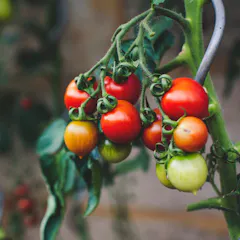
The COVID-19 pandemic has highlighted the problem of food insecurity for many people, especially racialized and Indigenous households.
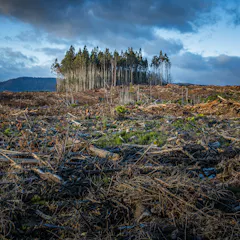
Colonialism is manifested by the way pollution impacts the lives of Indigenous peoples in Canada. Two Indigenous environmental scientists discuss how they’ve overcome obstacles in their research.
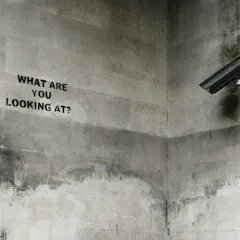
Once analysts gain access to our private data, they can use that information to influence and alter our behaviour and choices. If you’re marginalized in some way, the consequences are worse.
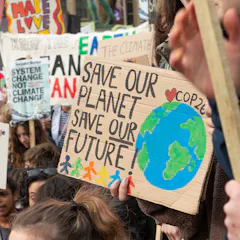
This is a transcript of part 4 of Climate Fight: the world’s biggest negotiation, a series from The Anthill podcast.
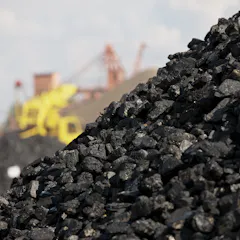
This is a transcript of part 3 of Climate Fight: the world’s biggest negotiation, a series from The Anthill podcast.

Recently, Statistics Canada revealed that South Asians reported lower levels of mental health than any other Canadians during the pandemic.
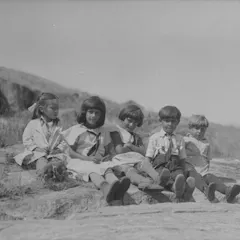
Transcript for Don’t Call Me Resilient Podcast EP 8: Stolen identities: What does it mean to be Indigenous?
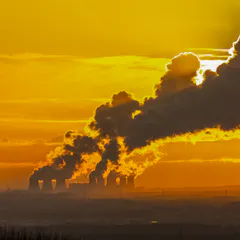
This is a transcript of part 2 of Climate Fight: the world’s biggest negotiation, a series from The Anthill podcast.

This is the full transcript for Don’t Call Me Resilient, episode 7: How stories about alternate worlds can help us imagine a better future.
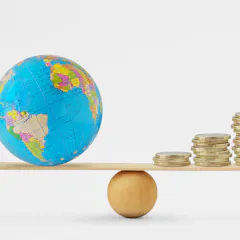
This is a transcript of part 1 of Climate Fight: the world’s biggest negotiation, a series from The Anthill podcast.

Transcript of Don’t Call Me Resilient, Episode 5: Black health matters
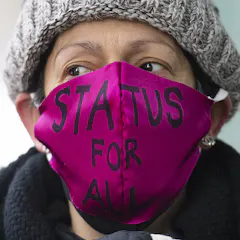
How we treat migrant workers who put food on our tables: Don’t Call Me Resilient EP 4 transcript
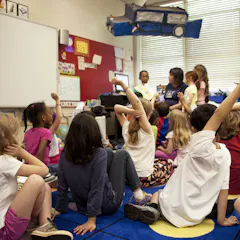
Transcript of Don’t Call Me Resilient, Episode 3.
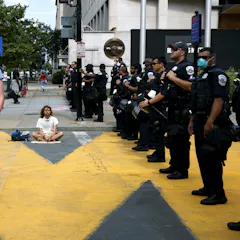
This is the full transcript for Don’t Call Me Resilient, EP 2: How to deal with the pain of racism — and become a better advocate.
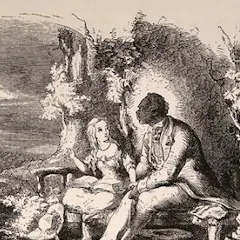
This is the full transcript for Don’t Call Me Resilient, episode 1: What’s in a word? How to confront 150 years of racial stereotypes and language.
Top contributors
-

Environment + Energy Editor and Host of the Climate Fight podcast series, The Conversation
-
Research Fellow, Oxford Net Zero, Institute for Science, Innovation and Society (InSIS), University of Oxford
-
Senior Lecturer in Politics, University of Strathclyde
-
Assistant Professor, Faculty of Land and Food Systems, University of British Columbia
-
Assistant Director of the Global Systems Institute, University of Exeter
-
Distinguished Policy Fellow, Lead, Governance and Legislation, Grantham Research Institute on Climate Change, London School of Economics and Political Science
-
Head of Atmospheric, Oceanic and Planetary Physics, University of Oxford
-
Senior Lecturer in Philosophy and Ethics, Nottingham Trent University
-
Host, The Conversation Weekly Podcast, The Conversation
-
PhD Candidate in Bioeconomy, University College Dublin
-
President, Food Secure Canada
-
Senior Lecturer in Science Education, University of York
-
PhD Candidate in Climate Justice Policy, University of Warwick
-
Researcher in Climate Change Governance, University of Leeds
-
Professor, Technoscience studies + History, University of Toronto