
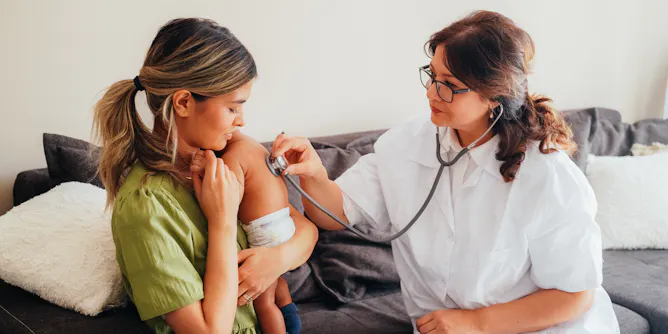
Similar to the patterns seen with COVID-19, flu and RSV, HMPV is making a comeback after years of being repressed by people wearing masks and social distancing.
Articles on Pneumonia
Displaying 21 - 40 of 53 articles
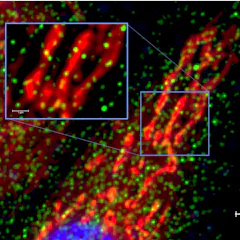
COVID-19 causes lung injury and lowers oxygen levels in patients because the SARS-CoV-2 virus attacks cells’ mitochondria. This attack is a throwback to a primitive war between viruses and bacteria.

Problems arise when there are too many unwarranted visits to GPs for cold symptoms. Occasionally, though, a cold might turn into something that needs specific diagnosis and treatment.
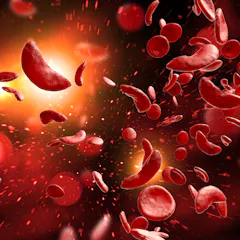
Of the 20 million people living with sickle cell disease globally, more than 66% are in sub-Saharan Africa.
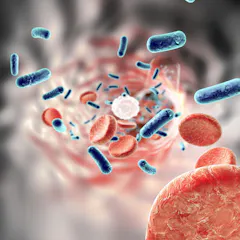
Sepsis onset can be difficult to recognize, in part because its symptoms can mimic those of many other conditions. A treatment delay of even a few hours can make the difference between life and death.
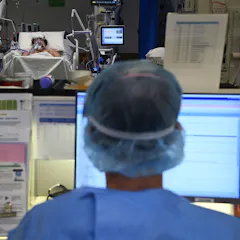
A lot has changed in COVID treatment since the pandemic began. Here are the treatments you can expect — from being diagnosed, to going to hospital, and for those who need to be cared for in ICU.
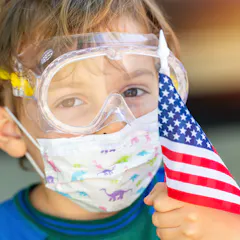
As many teens and adults in the US restart their social lives, parents of children under the age of 12 wonder when their kids will also be able to experience the freedom that comes with vaccination.

The risk of coronaviruses jumping species is low, but if you look for it, you will find it.
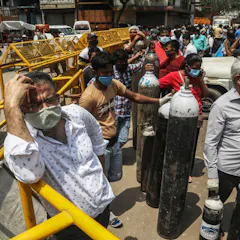
An effective oxygen system requires prompt recognition of who needs oxygen, a reliable oxygen supply and safe delivery to those who need it.
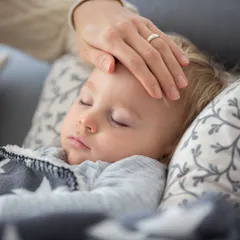
Public health measures have helped control COVID-19 in Australia. But they’ve affected other winter viruses, too.
Digital participatory surveillance allows the community to share in the responsibility of disease surveillance and contribute to the control and prevention of respiratory disease outbreaks.
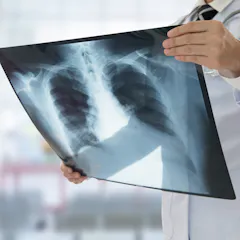
It takes around 61 hours to identify the pathogen causing a patient’s pneumonia. A new test reduces that to four hours.
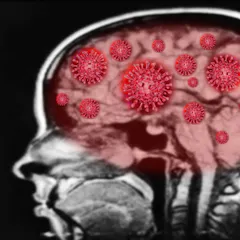
Many patients suffering from COVID-19 exhibit neurological symptoms, from loss of smell to delirium to a higher risk of stroke. Down the road, will COVID-19 survivors face a wave of cognitive issues?

How Kazakhstan failed to deal with COVID-19 and became the first country to enter a second national lockdown.
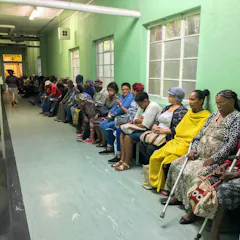
Dangerous delays may happen at three points: the patient deciding to seek care, reaching a healthcare facility, or receiving quality care at that facility.
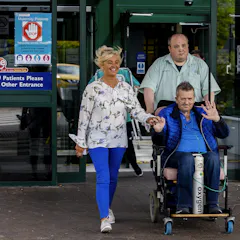
Is it possible that people who recover from COVID-19 will be plagued with long term side effects from the infection? An infectious disease physician reviews the evidence so far.
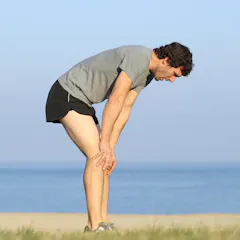
Severe COVID-19 may leave lasting scars in the lungs, but some recovery could happen over time.
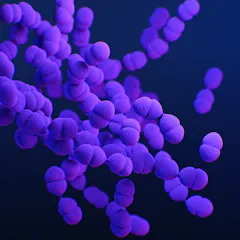
S. pneumoniae, the bacteria responsible for pneumonia, causes about one million deaths each year. Now we know how it uses the sugar raffinose to spread through the body to cause disease.

Who is most likely to survive an infection of the new coronavirus? Two immunologists explain that it is those who mount exactly the right immune response – not too weak, not too strong.
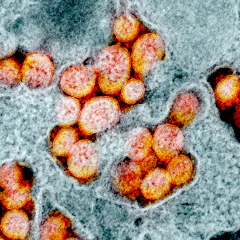
Two phrases you hear a lot these days are viral load and infectious dose. What do they mean? Do they reflect the severity of disease or whether someone will get severely ill? Two experts explain.
Top contributors
-

Professor, Director of Research, Nursing and Midwifery, Monash University
-
Professor of Nursing and Health Services Research, University of Newcastle
-
Associate Professor, University of Melbourne, Murdoch Children's Research Institute
-
Principal Medical Scientist, National Institute for Communicable Diseases
-
Professor of Infectious Diseases and Microbiology, Australian National University
-
Bachelor of Medical Science (Hons) student; global health researcher, Murdoch Children's Research Institute
-
Clinical head, General Intensive Care Unit, Royal Children's Hospital, The University of Melbourne
-
Assistant Professor of Internal Medicine, Intensivist, University of Michigan
-
David King is a Friend of The Conversation.
Senior Lecturer in General Practice, The University of Queensland
-
Extraordinary Professor, Global Health, Stellenbosch University; South African Medical Research Council
-
Department Chair and Professor of Biochemistry and Molecular Genetics, University of Illinois Chicago
-
Research Scientist, African Population and Health Research Center
-
Director of Translational Institute of Medicine (TIME), Queen's University, Ontario
-
Associate Professor of Medicine, Infectious Diseases Physician, Australian National University
-
Public Health Specialist, South African Medical Research Council