

Wearing the wrong shoe on Earth can lead to injury. Researchers still need to figure out the physical consequences of spending a long time walking around on the Moon.
Articles on Physical therapy
Displaying all articles

A term emerged in the 1980s for a spinal cord injury caused by breaking called ‘break-dancing neck.’

Including the family in a patient’s treatment plan can help shorten hospital stays and assist in recovery. But caregivers often pay a price.

Hypermobility can be painful and lead to frequent injuries and systemic health problems. Unfortunately, many doctors aren’t familiar with these conditions, and patients can go years undiagnosed.

The prevalence of low back pain continues to surge worldwide, but many treatments currently available offer little to no relief.

Robots are already carrying out tasks in clinics, classrooms and warehouses. Designing robots that are more receptive to human needs could help make them more useful in many contexts.

Sprained ankles are a common injury to anyone who plays sports and usually not a serious concern. But with an NFL championship on the line, the specifics of an ankle injury and how to treat it matter.

Research suggests that alternative treatments for migraine, including physical therapy, massage and vitamin supplements, can make a difference.

Ending the opioid epidemic requires addressing not only treatment gaps in addiction and overdose, but also inadequate pain management.

It probably sounds bad or uncomfortable to you. But stiffness is part of what gives elite athletes the spring in their muscles.

While more women than ever are surviving breast cancer, they often do so with bad side effects. Studies are showing that physical therapy early in the post-treatment phase can help.

As the nation grapples with its opioid addiction epidemic, one solution for many with chronic joint pain and back pain could be physical therapy. But it’s often underutilized. Here’s why.

Highly trained dancers provide insights for researchers helping design improved rehab programs for people with mobility impairments. The next step could include rehab robots as dance partners.
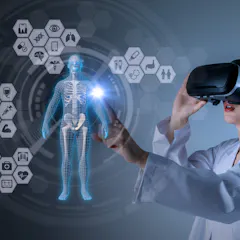
Virtual reality has been used to treat phobias for many years, but medical researchers have began to discover that it can do so much more than that.

A new study highlights beneficial physical adaptations.
Top contributors
-

Associate Professor of Physical Therapy, University of Dayton
-
Professor of Biomedical Engineering and Rehabilitation Medicine, Emory University
-
Assistant Professor of Medicine, Emory University
-
Reader in Virtual Reality, University of Portsmouth
-
Associate Professor of Physical Therapy, University of Florida
-
Reader in Biomechanics, Liverpool John Moores University
-
Associate Professor of Physical Therapy, University of Dayton
-
Harvard University
-
Critical Care Registered Nurse, Vanderbilt University
-
Lead Research Scientist in Population Health, Institute for Health Metrics and Evaluation, University of Washington
-
Professor of Musculoskeletal Health, Head of Musculoskeletal Program, George Institute for Global Health
-
Professor Emeritus of Physical Therapy, Clarkson University
-
Lecturer, Cardiff Metropolitan University
-
Associate Professor of Computer Science and Electrical Engineering, University of Maryland, Baltimore County
-
Assistant Professor of Neurology, University of Colorado Anschutz