
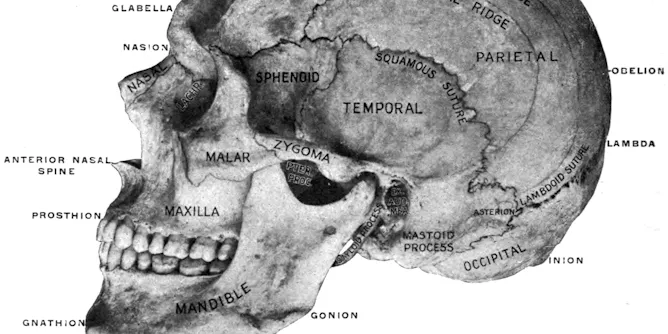
Craniometry, the study of skull measurements, was widely taught in medical schools in the nineteenth and early twentieth centuries.
Articles on Phrenology
Displaying all articles
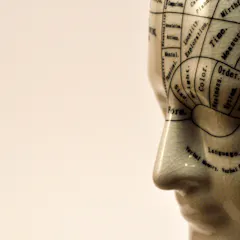
Phrenologists provided middle-class people with an early kind of self-help guidance.
Emotion recognition technologies endanger fundamental rights without proper justification.

While noble status came with advantages, it was also considered inappropriate for a baroness to perform professionally. Without a long public presence, Delphine von Schauroth faded from memory.
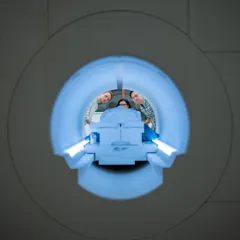
As Elon Musk’s Neuralink begins inserting chips into human brains, we trace the history of ‘mind reading’ technology and assess the potential risks and rewards
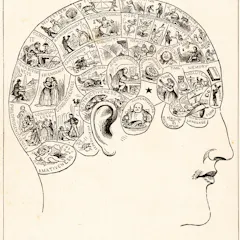
The Victorians believed that the shape and size of the skull could reveal details about a person’s demeanour. Now it’s been put to the test.
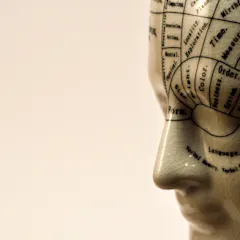
…just don’t call it the new phrenology.
Only 1% of published psychology research papers are ever repeated. If psychologists want their discipline to be taken seriously, they’ll need to get their house in order.
Long before neuroscience, phrenology claimed to have the power to determine who was afflicted with badness and who was suffering from madness. In the second-last article in our series Biology and Blame…

Welcome to Biology and Blame, a series of articles examining historical and current influences on the notion of criminal responsibility. Today, Arlie Loughnan considers the challenge to the legal system…

If I had been asked 15 years ago to write a short piece about what the different parts of the brain did, it would have been a fairly straightforward task. Not any more. Over the last 15 years, the methods…
Top contributors
-

Professor of Criminal Law, University of Sydney
-
Postdoctoral Researcher in Cognitive Neurosciences, The University of Queensland
-
Professor, Monash University
-
Professor of Cognitive Neuropsychology, University of Hertfordshire
-
User Researcher and Senior research associate, UCL
-
Lecturer in History of Medicine/Life Science, The University of Melbourne
-
Assistant Professor in Social Psychology, University of Southampton
-
Research Associate, Trustworthy Autonomous Systems Hub, University of Bristol
-
PhD Researcher in Neurotechnology and the Law, University of Antwerp
-
Associate Professor of Musicology, University of Saskatchewan
-
McKenzie Postdoctoral Fellow, The University of Melbourne
-
Assistant Professor in History of Science, Medicine and Colonialism, Leiden University
-
Associate Professor in the History of Medicine, University of Warwick