

Petrol prices have pushed inflation up. At its next meeting, the Reserve Bank board is going to have to decide if that warrants an increase in interest rates.
Articles on Petrol prices
Displaying 21 - 40 of 56 articles

While the pandemic and Ukraine war are key contributors to the cost of living crisis, climate change has also had a role to play.
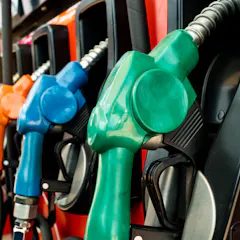
With global oil prices falling, the end of the fuel excise discount will put Australian motorists back in familiar price territory.
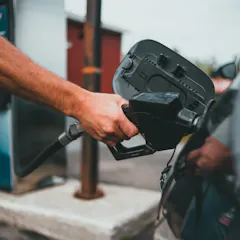
If the fuel excise cut is not extended, average petrol prices in Australia will almost certainly return to the above $2 territory by early October. But a different solution is needed.
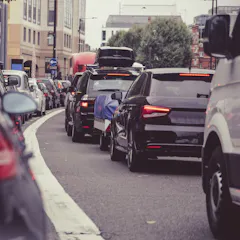
Social justice really can go hand in hand with environmental policy – here’s how.
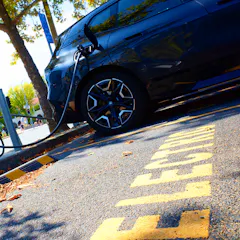
A study commissioned by the ACT government finds zero-interest loans and free registration help – but the price of the car and petrol prices matter most of all.
Free public transport risks worsening social inequalities, helping wealthier households who live in areas with good services while those in outer suburbs must still use cars.
Petrol prices have spiked, forcing governments to step in to reduce costs. But will the rising prices actually force drivers out of their cars, reducing consumption and carbon emissions?

Australia might be a long way away, but fossil fuel price spikes triggered by the Russian invasion of Ukraine are hitting households hard. We could have avoided this pain.
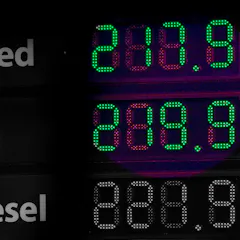
The government has held out the promise of a cut in petrol tax, and New Zealand has delivered one. There are better ways to help.
Proposals to cut Australia’s fuel excise will prolong an already alarming dependence on oil-based imports and undermine policies to shift the nation away from fossil fuels.
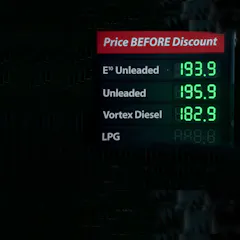
Estimates suggest a 10% jump in the price of petrol pushes down demand for petrol 3%. In the past 14 months, the price has jumped 50%.
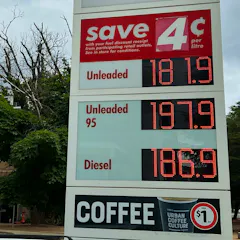
Australia may not import crude oil or petrol from Russia. But the world oil market behaves as one great pool.
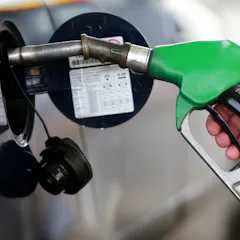
Petrol prices might not drop back to previous levels as stations look to recoup increasing business costs.
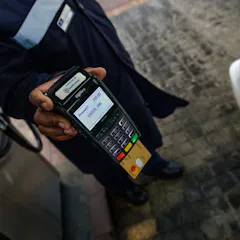
South Africa hasn’t achieved its policy objective of deregulating the fuel price because vested interests have opposed this, and the government doesn’t have the political will to implement the policy.

Nigeria must remove fuel subsidies and channel the funds to critical sectors of its economy.
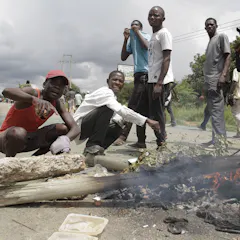
President Emmerson Mnangagwa’s decision to double the price of petrol shows very poor judgement and bad leadership.
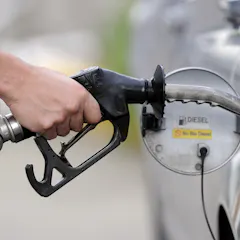
New analysis of the behaviour of petrol retailers in Perth over a period of five years shows how tacit collusion caused prices to increase by up to 50%.
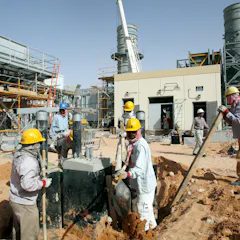
In his first royal decree, Saudi Arabia’s newly crowned King Salman announced two-month bonuses for state employees, pensioners, students, and recipients of social service programs (that is, everyone in…
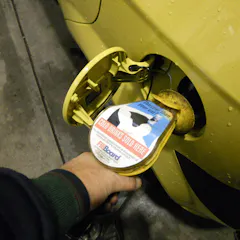
Fuel prices may be at historic lows at the moment but when they rise again, what is the best strategy to save money at the bowser? There are many suggestions for saving money such as when and where to…
Top contributors
-

Honorary Fellow, The University of Queensland
-
Professorial Fellow, University of Canberra
-
Visiting Fellow, Crawford School of Public Policy, Australian National University
-
Professor of Economics, University of Melbourne, The University of Melbourne
-
Professor, Crawford School of Public Policy, Australian National University
-
Visiting Adjunct Professor, African Energy Leadership Centre, Wits Business School, University of the Witwatersrand
-
Professor of Economics, Monash University
-
Deputy Director and Associate Professor, Centre of Policy Studies, Victoria University
-
Research fellow, Centre of Policy Studies, Victoria University
-
Professor of Economics & Business, Allegheny College
-
Associate Professor of Economics and Finance, University of Tasmania
-
Competition Lawyer; Senior Fellow, The University of Melbourne
-
Professor, Centre of Policy Studies and the Impact Project, Victoria University
-
Professor, University of Canberra
-
Professor of Urban Policy and Director, Urban Futures Enabling Impact Platform, RMIT University