
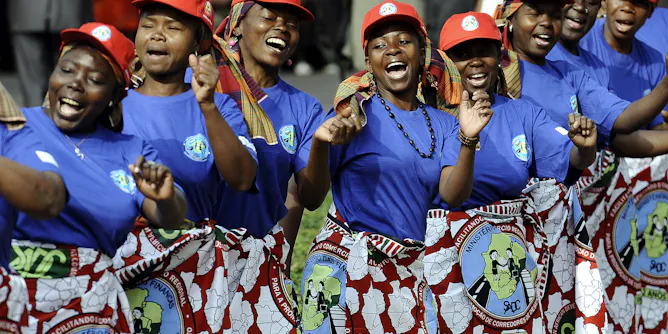
The Southern African Development Community Parliament will have the delicate job of ensuring good participatory regional governance while protecting national sovereignty.
Articles on Peace and justice
Displaying 1 - 20 of 24 articles
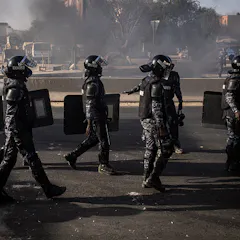
Negative perceptions of police professionalism and corruption go hand in hand with low public trust in the police, poor marks on government performance, and citizens’ sense of insecurity.
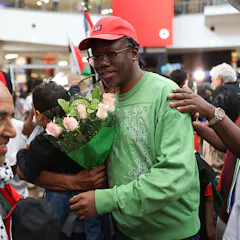
Palestine remains the single issue on which South Africa’s support for a people’s struggle has been unquestionably consistent.

Those who reject recourse to the courts in favour of street demonstrations are taking the wrong approach to the current democratic turning point.
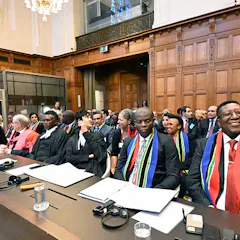
South Africa’s legal team includes lawyers who previously acted against the government.
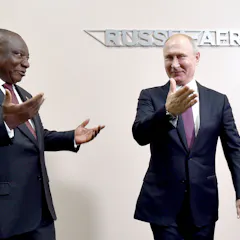
The government must not trample on its own laws and court decisions. Compliance with the constitution must be the priority.
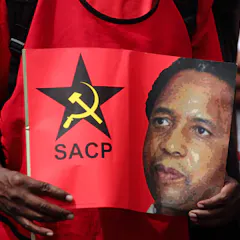
The court should have given the public a much clearer understanding of how it came to its decision, and what consideration it had given to public opinion.

Angola’s 2022 election is the first in which citizens born after the war are old enough to vote.
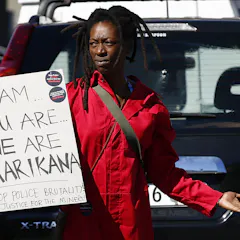
Individual beliefs about the past and its relevance to the present strongly influenced awareness of the Marikana tragedy.
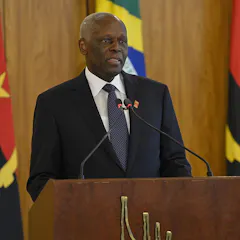
The political skill to turn situations to his advantage, rather than any ability to mobilise people, made Angolan president José Eduardo dos Santos one of Africa’s longest-serving leaders.
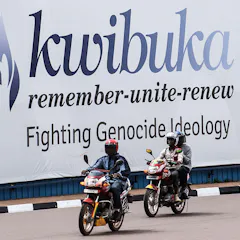
In 2003, Rwanda adopted a policy of ethnic non-recognition. However, for 100 days in a year, it centres ethnicity in the country’s psyche.
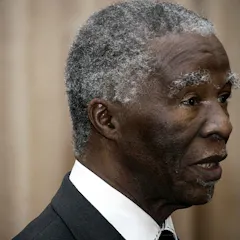
Every South African who cares about the future of the country will agree with former president Mbeki that, to avert disaster, something must be done urgently about its deep socio-economic problems.
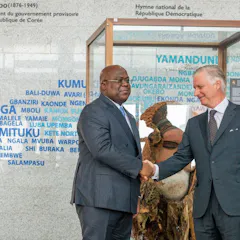
Belgium wants to frame its relationship with Congo, Rwanda and Burundi as one looking into the future – but the past weighs heavily.
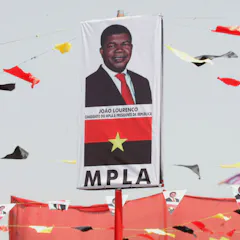
The MPLA is using all instruments at its disposal to hobble a new united opposition front ahead of the Angola election.
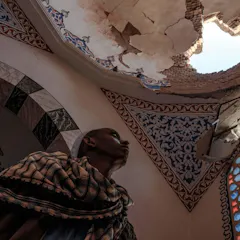
Many of the artefacts Ethiopia is famous for are found in Tigray. Their continued destruction could lead to irreversible culture shock and social collapse.
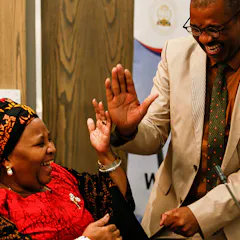
There has been a clear attempt to undermine the role of the Judicial Service Commission by some who sit on it.

The court has lived up to its promise in most cases, issuing some progressive and ground-breaking decisions and remedies.
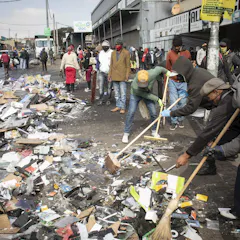
Much of the commentary on the July riots, which cost over 300 lives and billions of rands in damage to the economy, has neglected the long history of violent protests in the country.

The Southern African Development Community does not have a remarkable record of military interventions in civil conflicts in the region.

The appointment of judges has hitherto been an obscure and oftentimes clandestine affair. This has produced incompetent judges and led to claims that the judiciary is beholden to the executive.
Top contributors
-

Senior lecturer, Stellenbosch University
-
Professor in Law and Security, University of Canberra; Stellenbosch University
-
Researcher, Stockholm International Peace Research Institute
-
Senior Research Fellow, Centre for the Advancement of Scholarship, University of Pretoria., University of Pretoria
-
SNF Eccellenza Professor, University of Basel
-
Associate Researcher, University of Hamburg
-
Researcher in Political Philosophy and social sciences, Center of Global studies, Institutes of Philosophy, Czech Academy of Sciences
-
Chief Research Manager, Human Sciences Research Council
-
Research Director: Developmental, Capable and Ethical State (DCES) research division, and Coordinator of the South African Social Attitudes Survey (SASAS), Human Sciences Research Council
-
Head of Inclusive Economic Development, Human Sciences Research Council
-
Professor of Law, University of the Witwatersrand
-
Researcher
-
Reader in Law, SOAS, University of London
-
Associate Professor: Department of Systematic Theology and Ecclesiology, head of the Unit for Moral Leadership, Stellenbosch University
-
Consultant, University of Cape Town