
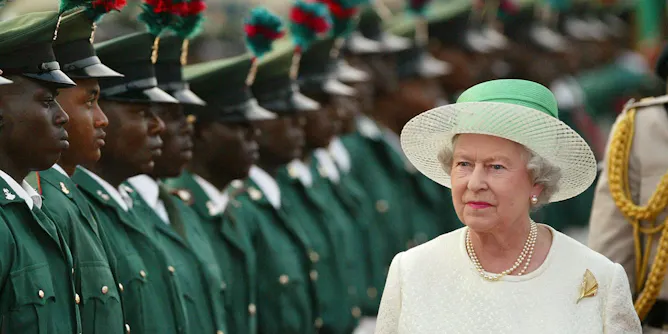
In the middle of the tremendous outpouring of love and grief for the Queen and the monarchy she represented, not everyone wants to take a moment of silence. And there are a lot of reasons why.
Articles on Pakistan
Displaying 101 - 120 of 315 articles
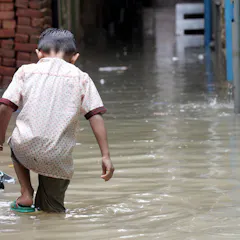
Framing floods as ‘natural disasters’ deflects from the reality that vulnerability must exist before a crisis can emerge.
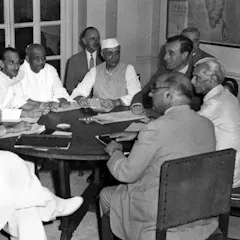
Economic growth picked up significantly for both India and Pakistan after independence, but they’ve chosen very different paths since.
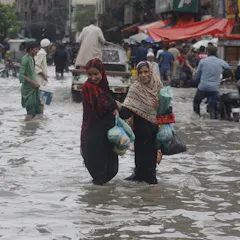
A climate scientist explains the forces behind the summer’s extreme downpours and dangerous heat waves, and why new locations will be at risk in the coming year.

The culpability for Pakistan’s catastrophic floods rests with the government and wealthy polluter countries.

Climate change will increase the frequency of both floods and droughts in Pakistan. To address these challenges, enhancing infrastructure, building dams and educating the public are necessary.
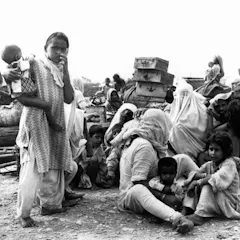
Effects of violence and forced migration on survivors’ mental health have not been acknowledged, despite the trauma being passed down generations.
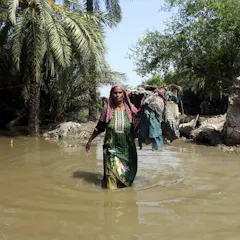
Pakistan contributes less than one per cent of greenhouse gas emissions, but has disproportionately felt the impact of climate change.
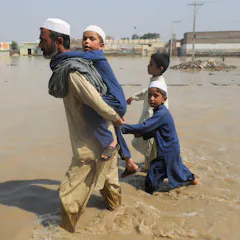
There are three key ways climate change probably made these floods worse.

Pakistan’s coalition government had been relatively permissive of former prime minister Khan’s mass rallies. But the latest developments suggest this approach has ended.
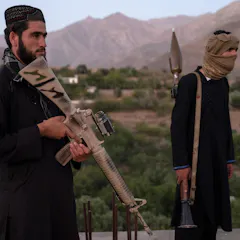
The Taliban promised not to allow Afghanistan to be used by groups seeking to attack the US, yet terrorist groups have only become more emboldened under its rule.
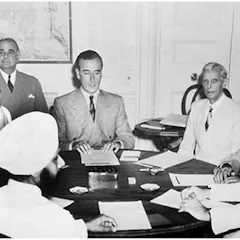
Seventy-five years after the partition of India, it’s time to dispel some commonly held misconceptions.
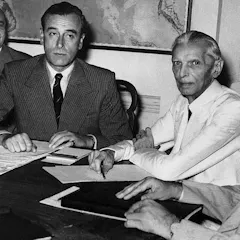
The fate of the so-called princely states was a particularly contentious issue during India’s Partition, which killed about 1 million people and left millions more displaced.
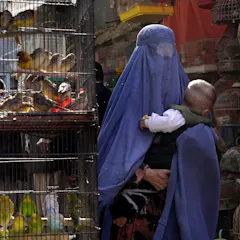
In the year since the Taliban’s takeover of Afghanistan, human rights abuses are off the charts, particularly towards women and ethnic minorities.

Traditionally cool countries need to look at how nations with high levels of heat adapt.
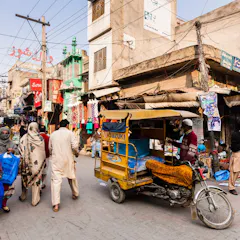
Pakistan’s economic crisis shows no sign of coming to an end.

A scholar of Islam writes about how widespread authoritarianism in the Muslim world shapes governments’ foreign policy toward Muslim minorities abroad.
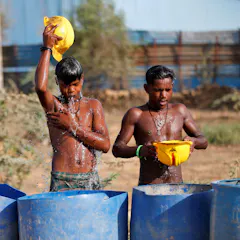
And after India banned wheat exports in May due to the high temperatures, we find out how vulnerable crops are to extreme heat. Listen to The Conversation Weekly podcast.
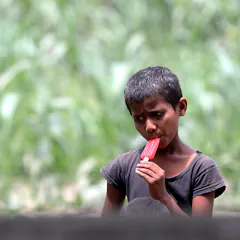
This long, uncharacteristically early heatwave has hit hundreds of millions of people in one of the world’s most densely populated and vulnerable regions.
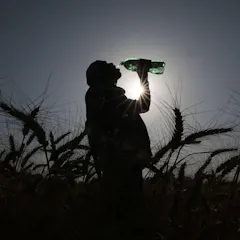
The current heatwave isn’t even a huge outlier compared to normal temperatures.
Top contributors
-

Professor of History, Tufts University
-
Director of Centre for Muslim States and Societies, The University of Western Australia
-
Honorary Associate Professor in Strategic Studies, Deakin University
-
Distinguished Professor of Political Science and the Tagore Chair in Indian Cultures and Civilizations, Indiana University
-
Professor of Political Science, Director of Center for Islamic & Arabic Studies, San Diego State University
-
Emeritus Professor of Middle Eastern Studies, Australian National University; The University of Western Australia; Victoria University
-
Reader in Political Science and International Relations, Aston University
-
Professor in the Department of Government, University of Essex
-
Professor of Politics and Director of the Asia Research Institute, University of Nottingham
-
Assistant Professor of Political Science, Clemson University
-
Professor of International Politics, Clinton Institute, University College Dublin
-
Professor of International Security, University of Birmingham
-
Honorary Research Fellow, University of Birmingham
-
Visiting Research Professor, The Senator George J. Mitchell Institute for Global Peace Security and Justice, Queen's University Belfast
-
Head of department, University of Staffordshire