

Each person experiences pain differently, depending on his or her genetic makeup. That makes it difficult to figure out what treatments patients need.
Articles on Opioid epidemic
Displaying 41 - 60 of 73 articles
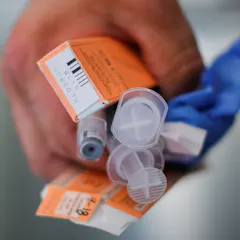
Scientists are just starting to understand how your parents’ genes and experiences might shape your own susceptibility to dangerous drugs. Could that help to stop addictions before they start?
Trust Me I’m An Expert: The science of pain
The Conversation58.7 MB (download)
Our podcast Trust Me, I'm An Expert, goes beyond the headlines and asks researchers to explain the evidence on issues making news. Today, we're talking pain and what science says about managing it.
As the nation grapples with its opioid addiction epidemic, an understanding of how the drugs affect people is important. The powerful class of drugs actually can change the brain.
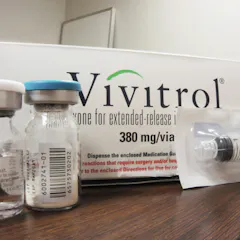
The U.S. has had multiple drug epidemics, and, until recently, has not had evidence-tested ways to help people. That has changed. New medicines can help. But other medical issues should also be addressed.

The herb kratom has a large following and is so popular that it is sold in vending machines. The FDA recently issued a public warning about the herb, which contains low levels of opioids.

Opioids kill an average of eight people every day in Canada. The federal government must officially declare this a ‘public welfare emergency’ and invest the funds critical to a humane response.
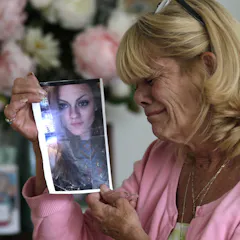
Your guide to a public health crisis that’s likely to get worse.

While talking about drugs with young people isn’t always comfortable, research has shown that it’s critical for prevention.
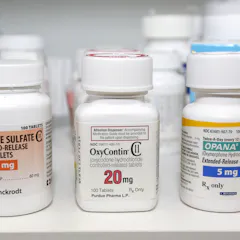
How can we fight the opioid epidemic? Redesign the drugs, rethink how we assess patients and mandate prescription monitoring.
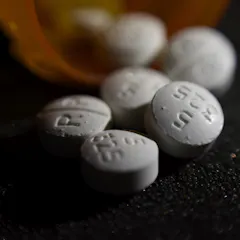
Drug addiction isn’t about bad habits, fear of withdrawal or a selfish search for pleasure. It’s about the brain.
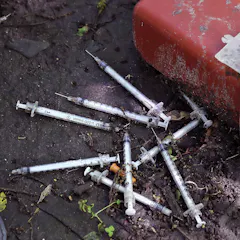
HIV, STIs and other dangerous infections are feeding off of the opioid epidemic, creating an even more complicated threat to public health.

If opioids prevent significant suffering, then the solution to the prescription opioid problem cannot simply be to stop using them.
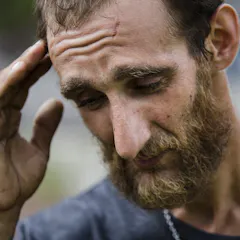
President Trump declared the opioid epidemic a national emergency. But we need to do a lot more to prevent this crisis from escalating even further.
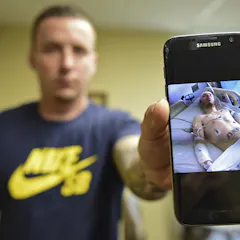
The number of people dying from opioid overdose continues to rise, in part because of cheap street drugs. Yet the price of a drug used to treat addiction is out of reach for many.
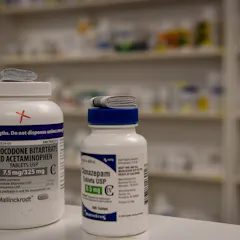
The state of Ohio filed a lawsuit against opioid manufacturers. Will their legal arguments hold up in court – and what will it mean for other cities and states going after big pharma?

Attorney General Jeff Sessions recently echoed the 1980s philosophy to ‘just say no’ to drugs. It’s important to remember, however, that the policy was ineffective.
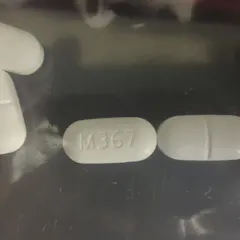
Counterfeit drugs and heroin laced with illicitly made fentanyl have been linked to overdoses across the country. So what can be done?

Media reports have suggested that many young athletes who become injured abuse prescription painkillers and may move to heroin. One of the first studies to look at this suggests otherwise.
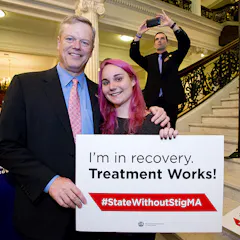
The nation is still in the grip of an opioid addiction epidemic, but there is some good news. Treatment options are expanding, as professionals learn more about the illness.
Top contributors
-

Co-Director, Opioid Prescribing Engagement Network and Assistant Professor, University of Michigan
-
Professor and Deputy Director, Monash Addiction Research Centre, Monash University
-
Chancellor's Professor of Medicine, Liberal Arts, and Philanthropy, Indiana University
-
Professor of Population Health Science, University of Dundee
-
Professor of Social Work, Director of Social Intervention Group, Columbia University
-
Associate Professor of Public Health and Community Medicine; Weiner Hailey Family Professor, Tufts University
-
Professor, University of Sydney
-
Postdoctoral Scholar, Penn State
-
Assistant Professor, Psychiatry, University of Florida
-
Clinical Therapist, West Virginia University
-
Medical Director of Opioid Policy Research, Brandeis University
-
Assistant Professor, University of Colorado Boulder
-
Clinical Lab Manager, Washington University in St. Louis
-
Senior Lecturer in Criminology, UNSW
-
Doctoral Candidate, Medical History, Vanderbilt University