

Cybercrime is getting increasingly sophisticated, and scammers target senior citizens.
Articles on Online crime
Displaying 1 - 20 of 22 articles

Young people are being coerced into performing violent acts on themselves, family members or their pets, with vision of these crimes often shared online.

It comes at a time when the online gaming giant faces several lawsuits and growing calls to be included in Australia’s social media ban.

Shutdowns like this have become a recurring feature of the dark web. They are usually not a significant turning point.

If Pavel Durov is successfully prosecuted, it could lay the groundwork for further legal action against larger tech companies.

Buyers and sellers alike use this system to not get caught.

The cybercrime ecosystem is vast and complex – and increasingly littered with specialists who will cheaply sell your data.

Organized crime gangs in Southeast Asia use psychological profiling, elaborate scripts and algorithms to produce sophisticated scams. Using dating apps, they target vulnerable people looking for love.
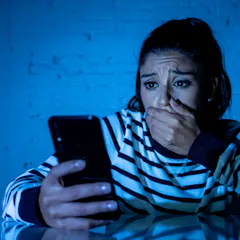
An estimated one in ten Australian tertiary students have paid a so-called contract cheating service to do their work for them. What most don’t think about is the risk of being blackmailed later.
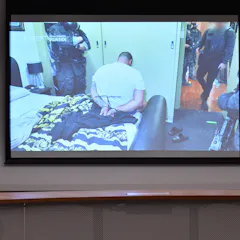
The AN0M app was programmed by law enforcement to allow ‘back-door’ access. This led to the retrieval of information that culminated in hundreds of search warrants.

We unpacked a large cybercrime business network and found a group relying on business 101 tactics: VIP memberships, cheap trial offers and a customer base reluctant to spend.

Reptiles are consistently overlooked by regulators of the trade in wildlife, but many face extinction in the wild.

Vulnerable websites are popping up as organizations move online during the coronavirus pandemic – and hackers have more time at home alone. The result is more websites falling victim to defacement.
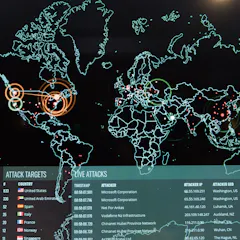
In the murky world of cyber espionage and cyber warfare, effective deterrence has long been considered out of reach. A government report argues it’s time to change that.

Beware the #WorkFromHome selfie.

Language analysis may help police catch offenders.

Facebook is planning to put end-to-end encryption on all its messaging services soon. But governments aren’t happy about it, as it could make it harder to catch criminals.

The Commonwealth Criminal Code now has two substantive new criminal offences aimed at limiting live streaming of crime. Both target technology companies, not terrorists.

Begun as part of efforts to preserve online anonymity and privacy, Freenet, Tor and the Invisible Internet Project are, like the rest of the web, home to both crime and free expression.

The nature of sexual offending has changed, but can we better identify sexual groomers before abuse occurs?
Top contributors
-

Professor of Criminal Justice and Criminology, Georgia State University
-
Professor of Criminology, University of Leeds
-
Lawyer, Curtin University
-
Professor of Safeguarding and Violence Prevention, Director of the Institute for Children's Futures, Manchester Metropolitan University
-
Ontario Research Chair of Digital Governance for Social Justice, York University, Canada
-
Dean of Global Business, The Fletcher School, Tufts University
-
PhD Student in in Computer Science, Georgia State University
-
Distinguished Visiting Professor in Cyber Security Studies, United States Naval Academy
-
Professor of Strategic Studies at the Marine Corps University School of Advanced Warfighting; Scholar-in-Residence, American University School of International Service
-
Professor of Criminology, Deakin University
-
Assistant Professor in Cybercrime, University of South Florida
-
Research Associate, Aston Institute for Forensic Linguistics, Aston University
-
Senior Lecturer, Master of Cyber-Security Program (Law), La Trobe University
-
Director, Academic Integrity, Torrens University Australia
-
Assistant Professor of Sociology, University of Windsor