
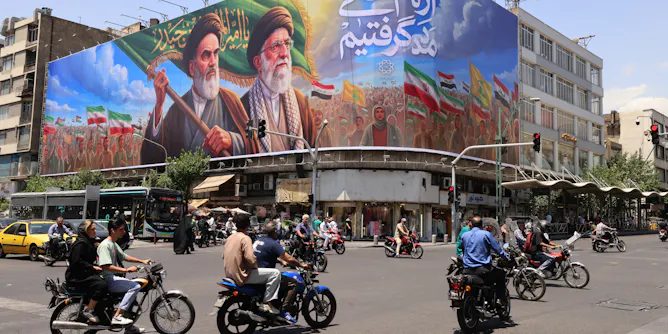
Iran has emerged with its uranium enrichment knowledge intact, its stockpile buried and fresh reason to believe that only a nuclear weapon would have deterred the US-Israel attack.
Articles on Nuclear arms
Displaying 1 - 20 of 49 articles
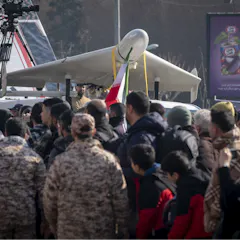
Knowing what comes next in Operation Epic Fury is better understood by grasping the evolution of Iran’s military structure and capabilities.
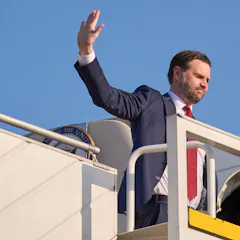
A lack of trust, failure to agree to the grounds on which discussion is taking place and Israel’s de facto veto provide insurmountable barriers.
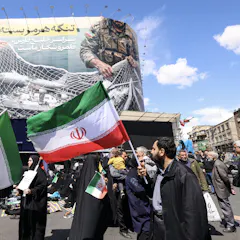
Both countries seem tired of the costs of war and ongoing risks, but successful negotiations will have to overcome deep distrust by both sides.
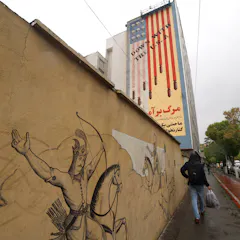
Some major events in the history of US-Iran relations highlight differences between the countries’ views, but others have presented real opportunities for reconciliation.

The ‘nuclear club’ currently consists of 9 nations? Could more nations be joining before long?
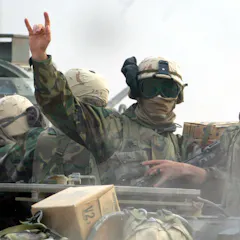
More than 20 years after the US military success in Iraq, the outcome of the US effort at regime change wasn’t as expected, and authoritarians with close ties to Iran now rule the country.
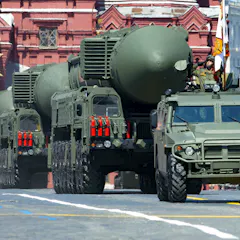
The expiration of the New START treaty has the US and Russia poised to increase the number of their deployed strategic nuclear weapons, pushing the world into dangerous territory.
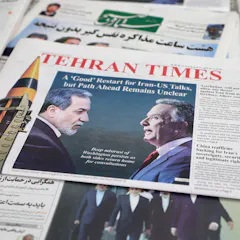
The US administration may sense that Iran is weak and ready to do a deal. But negotiations could be undone by intransigent red lines.
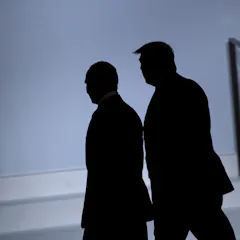
A former US ambassador and career diplomat says that history indicates that the possibilities for a lasting peace coming out of the Trump-Putin summit are pretty low.

Nonproliferation experts believe Iraq’s nuclear program went underground after Israel destroyed its reactor just outside Baghdad.
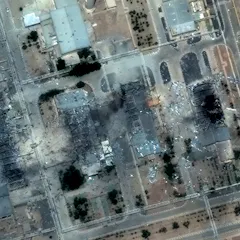
The US and Israel bombing campaigns may only delay an Iranian bomb by a few years. Could this signal the death of the nuclear non-proliferation treaty?
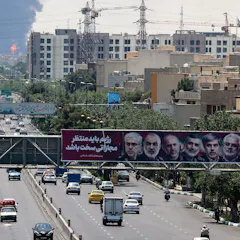
Close to 100 scientists have been killed or abducted to stymie foreign nations’ nuclear programs since World War II. But the tactic has serious drawbacks as a means of countering proliferation.
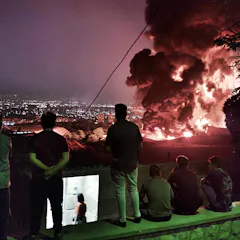
Some major events in the history of US-Iran relations highlight differences between the countries’ views, but others have presented real opportunities for reconciliation.
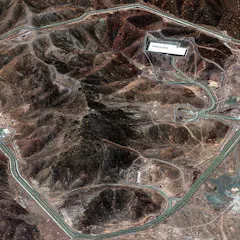
The latest attacks have come amid growing concern over Iran’s nuclear program, prompting questions over what this means for the global non-proliferation regime.
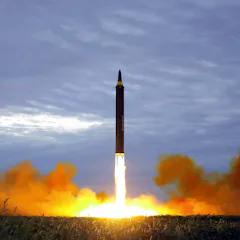
In Seoul, Tokyo and even Taipei, a once-unthinkable idea — building nuclear weapons — has begun to look disturbingly pragmatic.
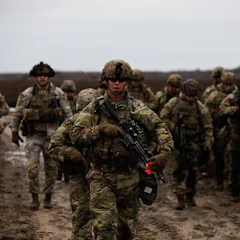
Without the US’s stockpile of nuclear weapons to protect it, Europe may have to increase its defences.

A selection of our coverage of the conflict from the past fortnight.

Nuclear proliferation is gathering pace as global tensions rise.
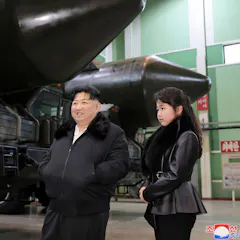
Kim Jong-un is continuing to release statements about a possible military conflict with South Korea.
Top contributors
-

Professor of the Practice of Political Science and International Relations, USC Dornsife College of Letters, Arts and Sciences
-
Senior Lecturer in International Relations, University of Pennsylvania
-
Professor of Law, University of Waikato
-
Executive Director of the Edward R. Murrow Center and Senior Fellow of Diplomatic Practice, The Fletcher School, Tufts University
-
Professor at the Centre for International Studies and Diplomacy, SOAS, University of London
-
Professor of International Relations, Munk School of Global Affairs & Public Policy, University of Toronto; USC Dornsife College of Letters, Arts and Sciences
-
Research associate, Queen's University, Ontario
-
Simons Chair in Disarmament, Global and Human Security at the Liu Institute for Global Issues, University of British Columbia
-
Visiting Research Fellow, King's College London
-
Lecturer, Public Safety, University of Tasmania
-
Professor of International Security, University of Birmingham
-
Shelby Cullom Davis Professor of International Security and Director of the Center for Strategic Studies, The Fletcher School, Tufts University
-
Research fellow, Australian National University
-
DECRA Fellow, Department of Nuclear Physics and Accelerator Applications, Australian National University
-
Research Fellow at Project on International Security, Commerce and Economic Statecraft, University at Albany, State University of New York