

Has romance turned into a marketplace where intimacy is measured through transactions?
Articles on Nigerian music
Displaying all articles

Fela Kuti’s legacy plays out in music, in politics and even in food, with Nigerian restaurants paying homage to him on their menus.

Fela Kuti created his own myth, and his fans did the rest. Today his music and politics are as relevant as they were before his death in 1997.

Nigeria is deeply polarised along ethnic, religious, cultural and political lines – and violence is never far from the surface.

The album doesn’t live up to the hype - but features some decent collaborations.

Afrobeats truly conquered the globe, influencing music styles, packing out stadiums and lifting awards.

The album Mr. Money With The Vibe, with its amapiano influences, is just 30 minutes long but it speaks volumes about Asake’s talents.
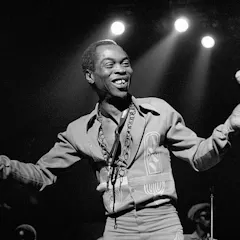
Nigeria’s Afrobeats stars love to identify with Fela’s activism and music - but their tributes are becoming opportunistic and empty.

With Renaissance, Beyoncé is again shaping pop culture, honouring black disco pioneers and Africa’s rise.

Afrofusion is a music style that existed even before Burna Boy was born.
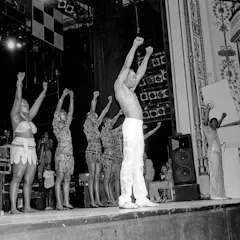
Nigerian popular music - Afrobeats - is storming the world’s stages. But it’s just the latest stage in a vibrant century of recorded music in the country.

The Afrobeat star used music to promote and preserve his Yoruba culture - while entertaining diverse global influences.
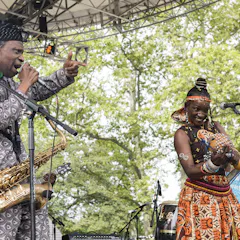
The man who taught Fela Kuti a thing or two has been all but erased from formal music history. He deserves much better treatment in death.

Of a record nine nominees, seven are from West Africa. The global rise of Afrobeats music owes its soul to Nigeria’s iconic star Fela Kuti.
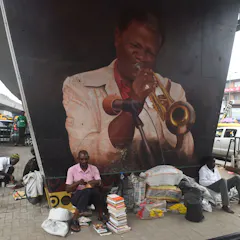
Victor Abimbola Olaiya took up highlife music in the late 1950s and combined it with the trumpet to improve on its texture and aesthetic quality.
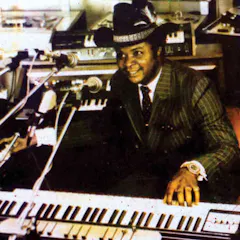
The search for old or new African sounds is based around a nostalgia culture that is endemic to Anglo-American popular music.
Top contributors
-

Research Fellow, Rhodes University
-
Senior Research Fellow, Institute for Humanities in Africa, University of Cape Town
-
Lecturer, Theatre and Media Arts, Federal University, Oye Ekiti
-
Visiting professor, Rhodes University
-
Associate professor Music and Media, University of Gloucestershire
-
Lecturer in Music, University of Nigeria
-
Assistant Professor, Ethnomusicology, University of Minnesota
-
Postdoctoral Research Fellow, University of Potsdam
-
Professor of Marketing & Entrepreneurship, Unizik Business School, Nnamdi Azikiwe University