
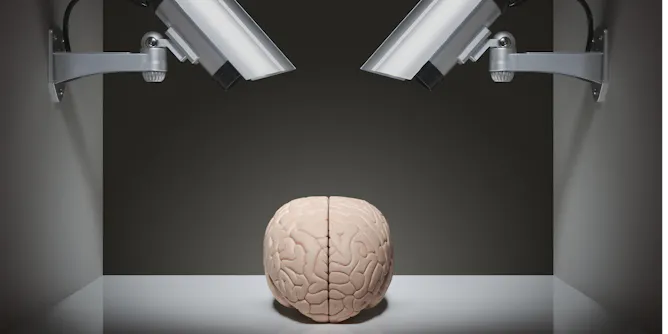
Neurotechnology raises many high-stakes ethical questions. Setting ground rules could help protect workers and ensure that tasks are adapted to the person, rather than the other way around.
Articles on Neuroethics
Displaying all articles
Brain-computer interface devices have the potential to boost users’ autonomy, especially for people who experience paralysis. But that comes with risks, as well.

More invasive devices have prompted new debates about privacy and freedom. But it’s important to keep in mind that other technologies already sense and shape our thoughts, a neuroethicist argues.
American scientists have used brain scans and machine learning to reconstruct the meaning of stories that people hear, see, or even imagine.

Several companies are in the process of commercialising invasive brain-computer interfaces, including Synchron, Neuralink and Precision Neuroscience.

From warfare to entertainment and VR, brain-computer interface development has extended beyond prosthetics for patients with disabilities. Missing is full ethical consideration of the consequences.

Some might argue ‘moral enhancement’ medicine already exists — such as when we take medicine that alters our brain chemistry. Where do we draw a line?

How do jurors use different kinds of information about mental illness when making sentencing decisions? An experiment finds that neurobiological evidence could harm or help defendants.
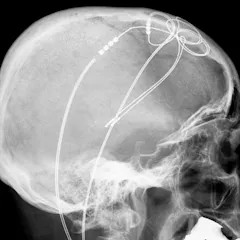
Where does responsibility lie if a person acts under the influence of their brain implant? As neurotechnologies advance, a neuroethicist and a legal expert write that now’s the time to hash it out.

Many writers say they have inspiration come to them from their characters or an inner voice. Science is seeking answers.

BCI devices that read minds and act on intentions can change lives for the better. But they could also be put to nefarious use in the not-too-distant future. Now’s the time to think about risks.
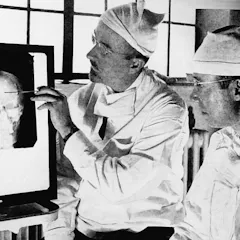
Maybe you think neuroscience has a peaceable history of benign efforts to improve lives and enhance human capacities. But its origins and development tell a different story – with ethical implications.
How will neurotech evolve? An NAS workshop this week focuses on social and ethical opportunities and challenges we face both now and down the road.
Top contributors
-

Professor of Bioethics and Humanities, School of Medicine, University of Washington
-
Assistant Professor of Neurological Surgery, School of Medicine, University of Washington
-
Biomedical Engineer and Neuroscientist, University of Sydney
-
Associate Professor of Neuroethics, Penn State
-
Associate Professor in Clinical Psychology and Neuropsychology, Trinity College Dublin
-
Associate Professor of Psychology, Philosophy, and Neuroscience, Georgia State University
-
Associate lecturer, University of Wollongong
-
Ph.D. Candidate in Neuroscience, Georgia State University
-
Associate Professor of Law, Michigan State University
-
Assistant Professor of International Relations, Rutgers University - Newark
-
Professor and Dean of Biomedical Engineering, Drexel University
-
Ph.D. Student in Electrical Engineering, University of Washington
-
Professor of Advanced Technology Transitions, Arizona State University
-
Adjunct Assistant Professor of Neurology at Oregon Health and Sciences University and Affiliate Assistant Professor of Philosophy, University of Washington