

The meaning of nature has shifted since the word was first used in the 15th century. But is changing the dictionary definition a good idea?
Articles on Nature
Displaying 121 - 140 of 382 articles

Protect wildlife to promote better mental health.
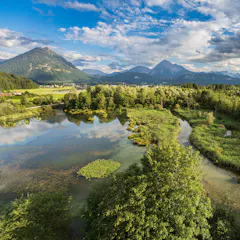
Two-thirds of conservation actions studied were found to benefit target ecosystems and species.
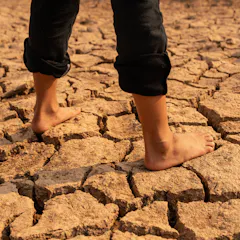
A new book, The Exhausted Earth, outlines how capitalism leads to burnout - for people and planet. But regenerative solutions are possible if people focus on interconnectedness, not isolation.
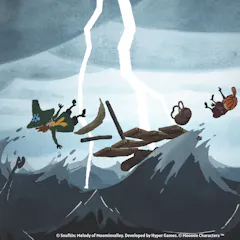
In Snufkin: Melody of Moominvalley, restoring harmony with nature against exploitative forces is key to the game’s narrative.
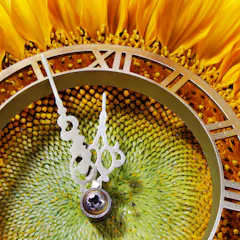
Time pressure is bad for your health- but the answer may be right outside your door.
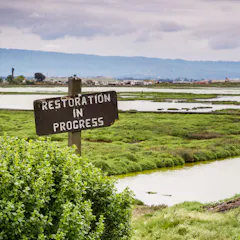
Australia committed to restore 30% of degraded ecosystems by 2030 when we signed the global biodiversity framework. But what does that really mean? It’s open to interpretation. So let’s be ambitious.

The UK’s Victorian-era sewer network is at breaking point.
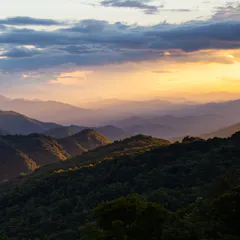
Students are provided the opportunity to use America’s national parks as case studies for environmental issues and tough conversations in this course.
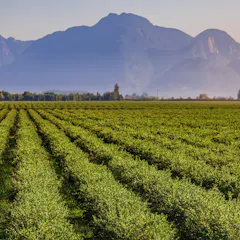
In the face of growing social and environmental challenges, organizations in the food and agriculture sector are increasingly turning to nature for inspiration.
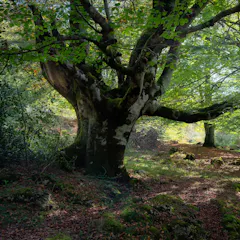
Feelings of “time scarcity” are on the rise, but research shows that natural surroundings can help us to slow down.
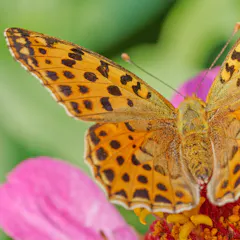
Climate change puts pressure on British butterflies and moths - sometimes pushing them to the edges of their geographical range or shifting the timing of their life cycle so they can’t feed.
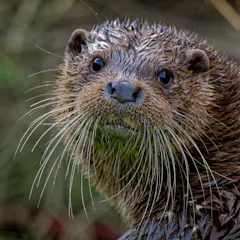
Research has revealed how British otters may have been able to recover from species loss in the 1950s with the help of otters from Asia.

The experiences of bird safety NGOs show that when trying to achieve environmental goals, being on good terms with stakeholders is important, but direct action can also yield results.

A new study highlights how different literature portrays the pros and cons of offshore wind. Comprehensive assessment frameworks could create more consistency in the future.
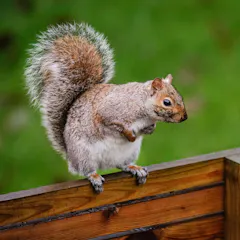
New research suggests the gut bacteria of red and grey squirrels differ significantly, potentially explaining the decline of the native red and the success of its grey counterpart.
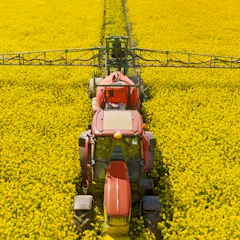
The six-year-late UK national action plan for the sustainable use of pesticides is finally due but experts doubt it will be radical enough.
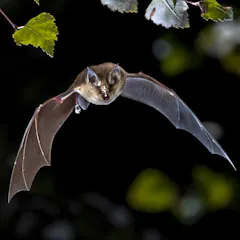
Maths plays a crucial role in new research which finds that bats “leapfrog” their way home at night.
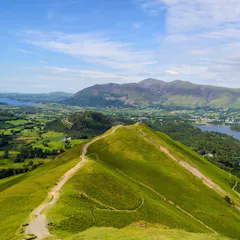
This initiative could give more disabled and young people the confidence to explore more of Britain’s wild spaces and build a stronger nature connection

A recently discovered palm tree has an unusual survival strategy - it flowers and fruits beneath the ground
Top contributors
-

Principal Lecturer in Psychology, University of Brighton
-
Professor in Wildlife Ecology and Conservation, School of Life & Environmental Sciences, Deakin University
-
Professor of Applied Ecology, University of Reading
-
Professor, Urban Ecology and Biodiversity, The University of Melbourne; RMIT University
-
Visiting Fellow, The Media School, Bournemouth University
-
Professor, School of Life and Environmental Sciences, University of Sydney
-
Postdoctoral Research Associate at the School of Biosciences, Cardiff University
-
Principal Lecturer in Wildlife Conservation, Nottingham Trent University
-
Adjunct assistant professor, North Carolina State University
-
Professor of the Psychology of Time, Liverpool John Moores University
-
Assistant Director of the University Museum of Zoology, Cambridge, University of Cambridge
-
Professor of Architecture, University of Hawaii
-
Honorary Associate Professor, Forest Measurement and Management, Fenner School of Environment and Society, Australian National University
-
Senior Lecturer in Applied Mathematics, Cardiff University
-
Professor of Global Politics and Director of UCL Global Governance Institute, UCL