
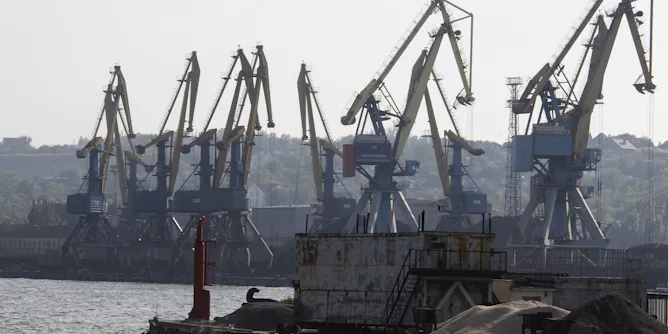
Ukraine is one of the world’s breadbaskets, but exports have been blockaded by Russia. Despite grave potential consequences in famine-prone countries, international law is largely silent.
Articles on NATO
Displaying 341 - 360 of 562 articles
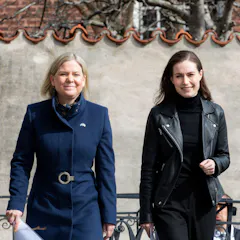
Plus reports grow of Ukrainian soldiers and civilians being relocated to Russia.
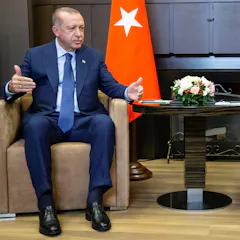
Turkey risks losing influence by blocking Sweden and Finland’s membership of Nato, says an expert.
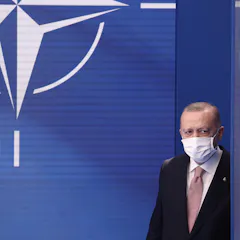
Turkish president Recep Tayyip Erdogan is against allowing two Nordic countries to join NATO over what he deems their support of ‘terrorists.’ His opposition will test the alliance’s unity.
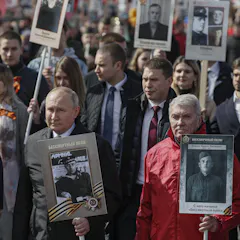
A digest of the week’s coverage of the war against Ukraine.
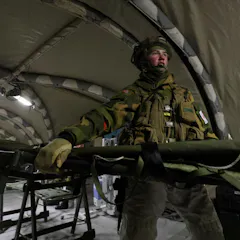
Sweden’s and Finland’s plans to join Nato are a symbol of a major shake-up of the European security order.
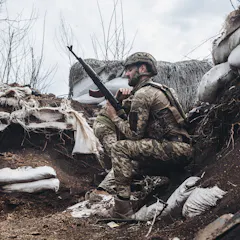
On paper, Russia’s military outmatches its Ukrainian rival. But better training, strategy and battlefield decisions have helped Ukrainian forces keep Russian troops at bay.

The West’s new approach to Russia – bar it from international organizations, restrict international trade, prevent further military moves – looks just like how it treated Russia in the 20th century.
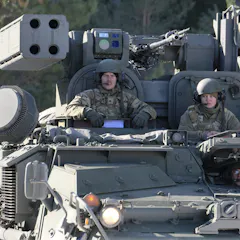
The post-cold war peace dividend has been spent. The west must prepare to allocate more funds for defence budgets.
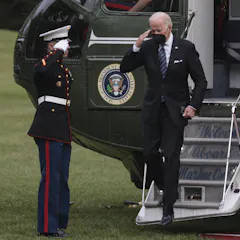
The US president has set out Nato’s war aims and provided substantial funding to back the plan.
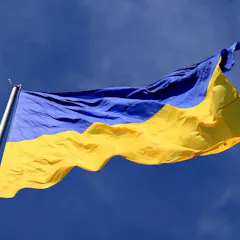
For all its imperfection, the EU still represents the best chance for regional peace and stability – little wonder Ukraine wants to join.
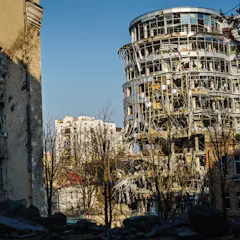
Ukraine appeared not to matter much to the US and other Western countries. It wasn’t a vital interest. Russia’s war has redefined Ukraine’s status with the West.
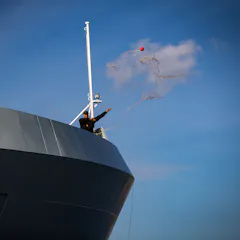
Canada cannot fulfil its international defence commitments, including humanitarian and peacekeeping missions, without new equipment.
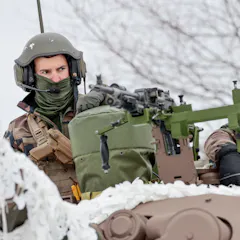
Nato’s military exercises in Europe are not a response to the invasion of Ukraine. But they are a handy way of sending Putin a message.
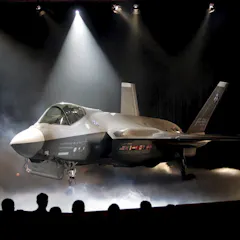
Canada’s F-35 flip-flop amid the Ukraine war underscores the need for a far-reaching, comprehensive review of the defence, security, diplomatic and development issues facing the country.
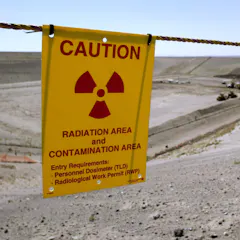
Despite decades of progress on nonproliferation, Russia’s new threats of nuclear strikes bring to mind that convincing countries to reduce their nuclear weapons has long been very difficult.
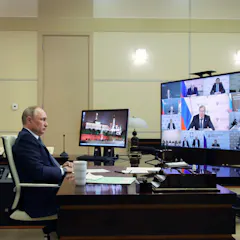
Sanctions take time to bite, and Putin has time on his side.
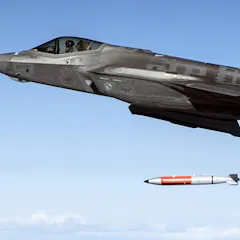
Both the Russian and US arsenals boast thousands of nuclear weapons, located in various places around their own countries and, for the US, in Europe as well.
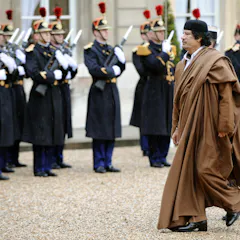
African countries’ decision to avoid condemning Russia for its invasion of Ukraine was not based only on issues directly connected to the conflict.
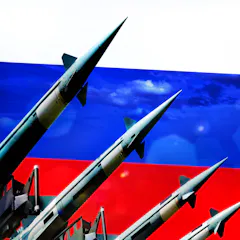
The policy introduced the chilling concept of ‘escalate to de-escalate’.
Top contributors
-

Professor of International Security, University of Birmingham
-
Professor of International Politics, University of Birmingham
-
Associate Professor of Security and International Relations, Royal Danish Defence College
-
Professor of War and Technology, University of Bath
-
Professor of International Relations and Security, University of Bradford
-
Professor in the Department of Government, University of Essex
-
Associate Professor (Adj), Griffith Asia Institute; and Fellow, Strategic and Defence Studies Centre, Australian National University
-
Lecturer in Strategic Studies and International Relations, University of Reading
-
Professor of History and Political Science, University of Michigan
-
Professor of International Security, Jean Monnet Professor of European Security, National University Odesa Law Academy
-
Professor of International Politics in the Department of Political Science and International Studies, University of Birmingham
-
Senior Lecturer in Military Strategy and Law, University of Portsmouth
-
Professor of Law, University of Waikato
-
Professor of Political Science, Kansas State University
-
Professor of Political Science, Boise State University