

A new Trump administration policy threatens free speech and association by targeting individuals and groups as potential domestic terrorists based on their beliefs rather than their actions.
Articles on National security
Displaying 21 - 40 of 482 articles
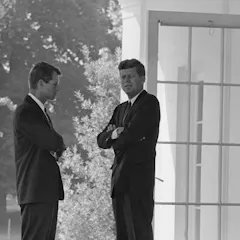
Robert F. Kennedy Jr.’s accounts of the notorious false flag operations proposed during the Kennedy years omit the most important part of the story. Hint: It’s a family affair.

The US doesn’t currently have much ability to monitor what’s going on in the space around the Moon. An effort by the Air Force Research Laboratory could help.
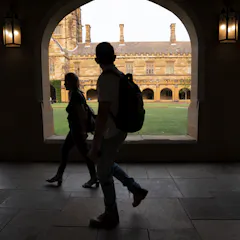
Australia’s universities face escalating, deliberate efforts from foreign spies who want to steal commercially and militarily valuable research.
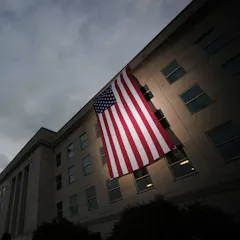
Free press advocates warn that limiting how journalists cover the Defense Department hampers the stability and freedom that democracies enjoy.

Individuals, organisations, countries and AI developers all have a role to play.
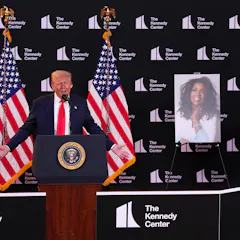
Presidents are typically expected to be focused on national security, economic management and other key issues handled at the national level. Donald Trump has turned those assumptions upside down.

The sobering assessment is a national call to action. The sooner Australia mitigates and adapts, the safer we will be.
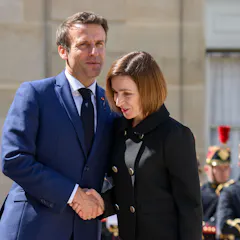
If Moldova pivots towards Moscow after its next election, this will leave Ukraine and other European nations exposed.
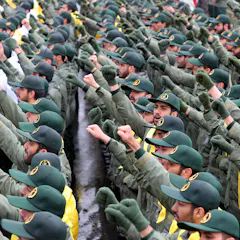
The organisation behind antisemitic arson attacks in Australia is now considered a terrorist group. Here’s how the enormously powerful group operates.

No government wants to be blamed for the job losses that often follow a company collapse. But taxpayer support must get some key things right.

Australia’s process of granting (and cancelling) visas is back in the spotlight. It’s a complicated issue, both legally and politically.
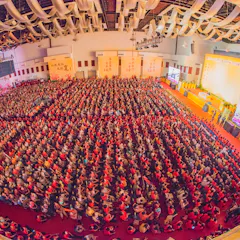
Authoritarian nations are using new tactics, from emotional manipulation to digital surveillance, to sway diaspora attitudes in their favour.
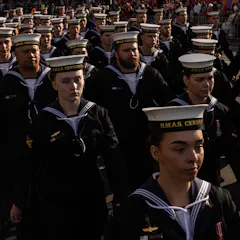
After years of warnings of a recruitment crisis in defence, new data show its suddenly risen by 17%. There’s a combination of reasons why.
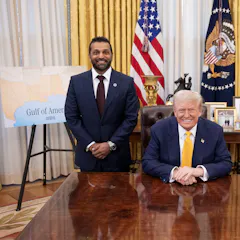
US Congress has a long history of supporting the intelligence priorities of the governing administration.
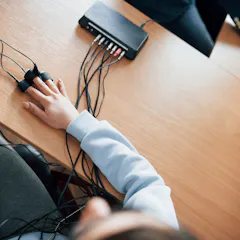
Historically, the aggressive use of polygraphs in government is associated with weakening morale and diminished information flow.
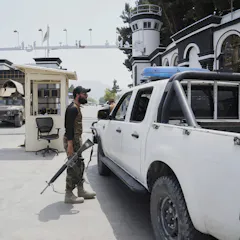
Foreign terrorism accounts for a miniscule portion of violence in the United States.
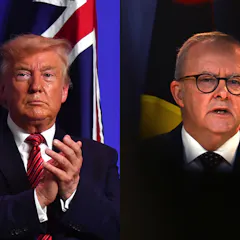
We do not have to weather whatever Trump’s America throws at us, hoping in vain for rare scraps of benevolence. There is another way, writes Emma Shortis.
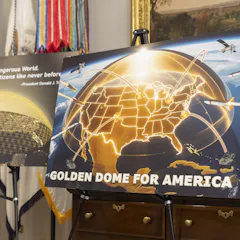
President Trump has set aggressive goals for Golden Dome, but many parts of the system already exist.
In foreign affairs, the national security adviser plays a coordinating role, setting the flow of recommendations to the National Security Council and the president.
Top contributors
-

Professorial Fellow, University of Canberra
-
Associate Professor, Griffith Criminology Institute, Griffith University
-
Senior Research Associate, Andrew & Renata Kaldor Centre for International Refugee Law, UNSW Law School, UNSW
-
Associate Professor, TC Beirne School of Law, The University of Queensland
-
Visiting Fellow, Department of Political and Social Change, The Philippines Institute, Australian National University
-
Assistant Professor in Public Law and Human Rights, Durham University
-
Vice-Chancellor and President, University of Canberra
-
Professor, Strategic and Defence Studies Centre, Australian National University
-
Associate Professor, Law School, The University of Western Australia
-
Senior Lecturer in Politics and International Relations, University of Notre Dame Australia
-
Teaching Professor of Computer Science and Electrical Engineering, and Associate Director, UMBC Cybersecurity Institute, University of Maryland, Baltimore County
-
Senior Research Fellow, Centre for Advancing Journalism, The University of Melbourne
-
Chair in Global Islamic Politics, Alfred Deakin Institute for Citizenship and Globalisation, Deakin University
-
Research Fellow, Griffith University
-
Professor of the Practice of Political Science and International Relations, USC Dornsife College of Letters, Arts and Sciences