

The agency’s plan to change the well-established process for safety testing vaccines is not realistic.
Articles on Myocarditis
Displaying all articles

Chaos at the CDC and the sharp move away from mRNA vaccines has public health experts alarmed.

New research confirms that COVID-19 vaccines are safe and effective at reducing the cardiovascular complications that are a hallmark of COVID-19 infection.
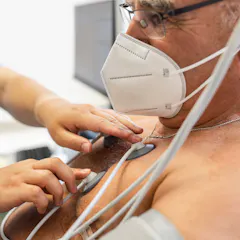
Many people with long COVID experience persistent debilitating symptoms like fatigue and brain fog. But a few develop more life-threatening and lasting damage to their heart and brain.
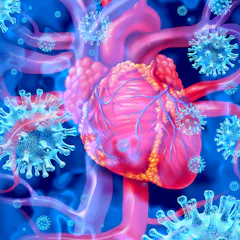
Parsing the risk of myocarditis from viral infection versus vaccination is challenging, and researchers are intensely studying the various factors that are at play.
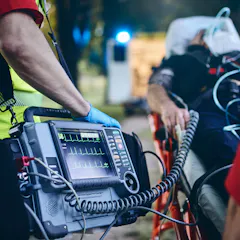
The increased risks of heart attack and stroke after COVID shown in a recent study, could drive a new pandemic of heart disease over coming years.

The COVID-19 vaccines continue to be effective against severe illness leading to hospitalization and death in all age groups, including children ages 5 to 11.
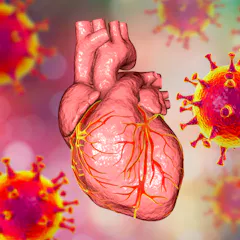
Myocarditis following COVID-19 vaccination is rare, and the risk is much smaller than the risks of cardiac injury linked to COVID-19 itself.

Looking solely at health benefits, the case for vaccinating primary schoolers isn’t strong.

Pediatric clinical trials for the COVID-19 Pfizer vaccine for children ages 5 to 11 have shown that the Pfizer shot is safe and effective.
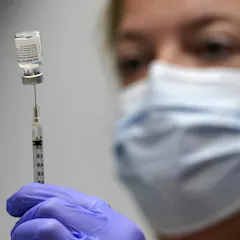
An FDA panel has voted against recommending approval of a booster COVID-19 shot for the general population – disappointing some public health officials.

A small number of cases of myocarditis and pericarditis have been reported following the mRNA COVID vaccines developed by Pfizer and Moderna. But this is no reason to avoid the jab.
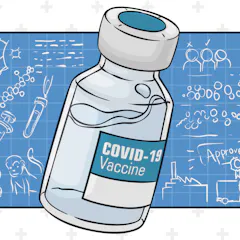
Ongoing tracking is meant to spot very rare risks – like the connection between the Johnson & Johnson shot and Guillain-Barré syndrome. And it relies on public reporting.

Cardiologists say student athletes who test positive for COVID-19 should see their doctors to determine if heart tests are necessary, even if they don’t have symptoms.

Is it possible that people who recover from COVID-19 will be plagued with long term side effects from the infection? An infectious disease physician reviews the evidence so far.

People with heart conditions at higher risk of severe COVID-19. But coronavirus appears to affect the heart directly, too.
Top contributors
-

Member, IMPART (Inflammation & Metabolism, Physical Ability, & Research Translation) Network, Dalhousie University
-
Associate Professor of Pediatric Cardiology, Oregon Health & Science University
-
Associate Professor of Pediatrics, University of Virginia
-
Assistant Professor of Pediatric Cardiology, University of Illinois Chicago
-
Lecturer, University of Sydney
-
Executive Director, George Institute Australia; Professor of Medicine, UNSW
-
Professor of Medicine, University of East Anglia
-
Professor of Medicine, University of Virginia
-
Manager of Ambulatory Pharmacy Services, University of Virginia
-
Research Officer, Atherothrombosis and Vascular Biology Laboratory, Baker Heart and Diabetes Institute
-
Co-Director of Global Chronic and Complex Diseases, George Institute for Global Health
-
Senior Lecturer in Chemical Pathology, University of Westminster
-
Abnash C Jain Chair and Professor of Cardiology, Cardiology Division Chief and Director of Cardiac Imaging, West Virginia University
-
Professor of Microbiology, School of Medicine, University of Washington
-
Professor of Public Health, Te Kunenga ki Pūrehuroa – Massey University