

Interviews with people studying to become teachers in Ontario point to the need for systemic changes in schools to better reflect cultural and religious diversity.
Articles on Muslim students
Displaying all articles

The war on terror is among the Middle East conflicts that sparked a rise of anti-Muslim and anti-Arab discriminatory incidents in the US.
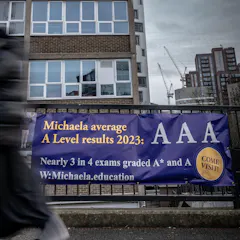
Secularism in England is often culturally and historically Christian.

Educators in public schools can develop the identities of Muslim students and create a positive school culture during Ramadan by fostering community partnerships and introducing school activities.

Federal law protects students’ rights to request some religious accommodations, including during the month of Ramadan.
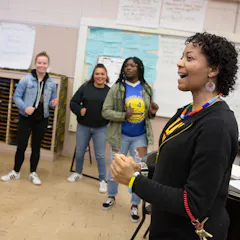
A study finds that graduates who attended publicly funded schools were more likely to have open intercultural orientations than those who attended private schools.
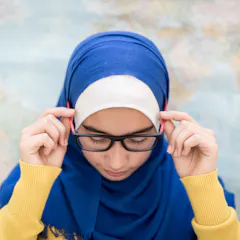
Comments made during class discussions about 9/11 often put Muslim students on edge, according to a researcher who interviewed 55 Muslim students in and around the nation’s capital.
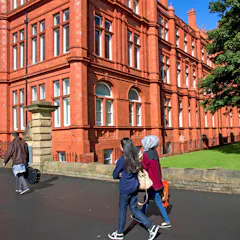
Far from restoring confidence in these institutions, it’s likely interventions will just inflame moral outrage
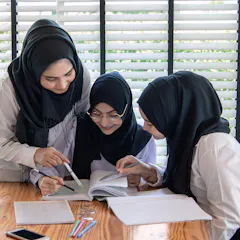
A higher proportion of Islamic-school students in years 11 to 12 are enrolled in science and maths than other students in Australia. But they may not all get the careers they want.
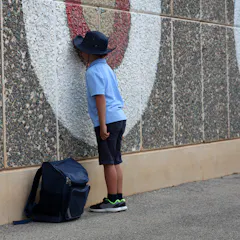
We don’t know the exact path towards radicalisation, so giving teachers signs to look for is dangerous.

Research indicates that only 46% of students believe Muslims are accepted on campus. But the same research points to ways to change how Muslims are perceived by Americans generally.
Top contributors
-

Senior Professorial Lecturer in Education, American University
-
Lecturer in Secondary History Education, University of Birmingham
-
Tutor, SOAS, University of London
-
EdD graduate, OISE, University of Toronto
-
Visiting Fellow, Department of Political and Social Change, The Philippines Institute, Australian National University
-
Professor of Society & Belief, SOAS, University of London
-
Lecturer and researcher, Adelaide University
-
Founding Director of the Centre for Islamic Thought and Education, Adelaide University
-
Assistant Professor, Department of Education, Niagara University
-
Assistant Professor, Faculty of Education, University of Windsor
-
Professor of Higher Education, The Ohio State University
-
Assistant Professor (Teaching Stream), Faculty of Education, York University, Canada