
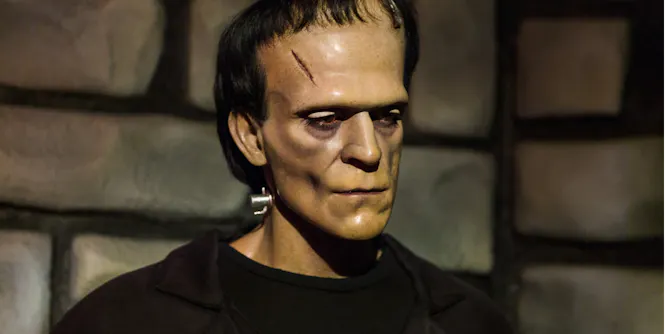
In the project Erasing Frankenstein, students, educators and incarcerated women collaborated to created an erasure poem of Mary Shelley’s classic text, and publicly showcase their work.
Articles on Monsters
Displaying 21 - 40 of 46 articles
How do you solve a problem like Godzilla? It’s not too tricky to work out if you are a mathematician…
Popular monsters often reflect humanity’s greatest fears. Godzilla, with its destructive rampages, is the foremost monster for our age of environmental threat.
All monsters make their mark on the communities they haunt. Some are cheeky and mischievous, some are mysterious, others are downright evil.
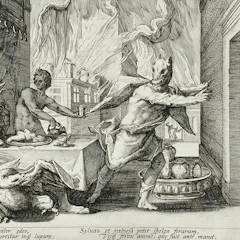
The earliest surviving example of man-to-wolf transformation is found in The Epic of Gilgamesh, from around 2,100 BC. But the werewolf as we now know it first appeared in ancient Greece and Rome.

Christopher Columbus’ 1492 voyage was really a journey into the unknown. Centuries of conventional wisdom had conditioned him to believe that bizarre beasts and ‘monstrous men’ would be awaiting him.
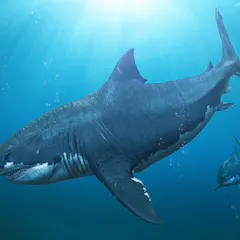
Megalodons are the latest Hollywood monster to leap out of the fossil record, but what else is lurking in prehistoric seas?
Even if mermaids aren’t real, they’ll likely feature in human stories for many years to come. Very few mythical creatures are found in so many diverse cultures, across so many years without changing.
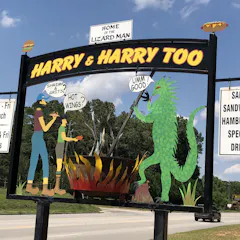
Towns are embracing their eccentric visitors as a way to boost their struggling economies.
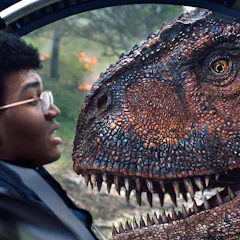
Monster movies are currently rampaging across the globe. Their popularity shows us how Hollywood’s place in world cinema is changing.
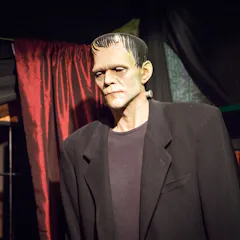
By showing us a world from which mothers are largely absent, Mary Shelley reminds us that the genius of motherhood lies less in biological reproduction than in the capacity to love.
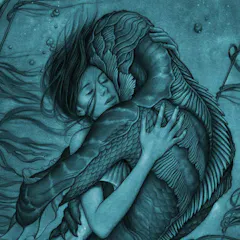
The Shape of Water is an entertaining movie, but it also has a timely, allegorical message about the challenges we may face with new scientific discoveries, and our willingness to accept difference.
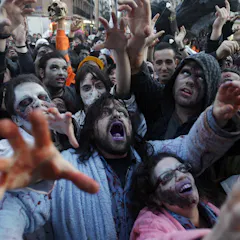
Romero’s ‘Night of the Living Dead’ and ‘Dawn of the Dead’ will be remembered among the first films to use horror as a form of political critique.
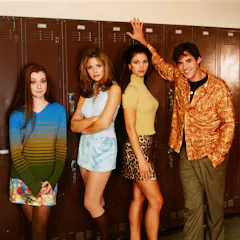
At the heart of this 20-year-old show is a critique of the quest for absolute power.
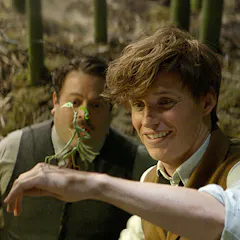
In the world of Harry Potter, beasts are to be protected, not feared. But this concern for monsters is hardly modern.

Collective environmental guilt could be leading to a rise in werewolf sightings in the English countryside.
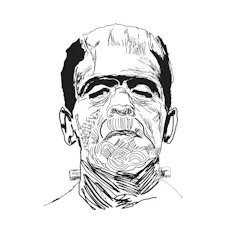
All the popular monsters you’ll see out trick-or-treating, from Frankenstein to Dracula, were born out of fear and anxiety about change and technology.
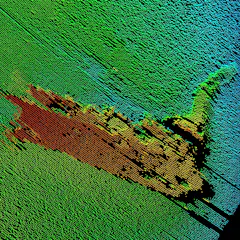
The hunt for ‘Nessie’ has been going on for decades but there’s a good reason why nothing has been found.
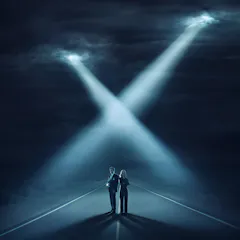
In the post-9/11, post-Iraq television landscape we’re familiar with government and terrorist conspiracy shows. How will aliens hold up?

You might be forgiven for wondering if there’s any connection between ITV’s Jekyll and Hyde and Robert Louis Stevenson’s 1886 novella other than the title.
Top contributors
-

Associate Professor of Research, University of Hertfordshire
-
Sessional Academic, Literature and Culture; Professional & Creative Writing Teacher, The University of Queensland
-
Senior Lecturer and Head of Anthropology, Australian National University
-
Honorary Research Fellow in Palaeobiology, University of Leicester
-
Associate Professor of Political Science, West Virginia University
-
Distinguished Professor and Professor of the Humanities, USC Dornsife College of Letters, Arts and Sciences
-
Associate Professor in Evolution and Palaeobiology, University of Southampton
-
Professor of Film, York St John University
-
Senior Teaching Fellow in Archaeological Practice, University of Bristol
-
Leo S. Bing Chair in English and American Literature, USC Dornsife College of Letters, Arts and Sciences
-
Conducting research in Civil-Military Relations, University of Bath
-
Professor of Mathematics, Toronto Metropolitan University
-
Professor of Screen Aesthetics and Criticism, University of Birmingham
-
Senior Lecturer in Film and Television Studies, Brunel University of London
-
Lecturer in Victorian Literature, University of St Andrews