
The budget earmarked worthwhile climate measures, but many are piecemeal. Amid record-breaking extreme weather in Australia, federal spending on climate action still falls well short.
Articles on Methane emissions
Displaying 21 - 40 of 50 articles

The agriculture and fossil fuel industries are the biggest sources of methane emissions in Australia. Here’s how signing the pledge may affect them.
Fossil fuel companies are winning the battle on how we talk about natural gas expansion by referring to it as a “bridge fuel” or an essential bridge to the net-zero energy system of the future.
If the UK government is to cut methane emissions by 30% before 2030, it needs fewer cows and more crops.

As one of the few countries to have enshrined net-zero into law, Canada has earned praise for its climate leadership. Yet an independent report calls out its continued failures to reduce emissions.
Reducing methane emissions could slow global warming quickly and buy time for the world to wean itself off fossil fuels. But it must not distract from the challenge to cut carbon dioxide emissions.
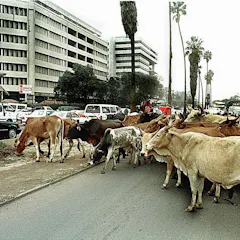
Un discours simpliste tenu par des activistes, des célébrités, des philanthropes, des décideurs politiques voudrait que « tous les animaux d'élevage soient mauvais ». Ce qui est loin de la réalité.
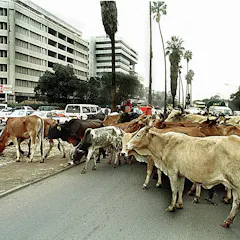
A simplistic ‘all livestock are bad’ narrative is promoted by campaigners, celebrities, philanthropists and policymakers alike. A much more sophisticated debate is needed.
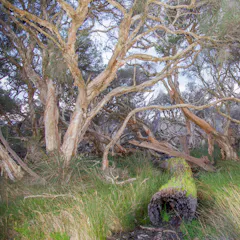
Scientists are learning trees can emit methane, which could be a big problem for global warming. But a world-first discovery of methane-eating bacteria in paperbark can help moderate this.
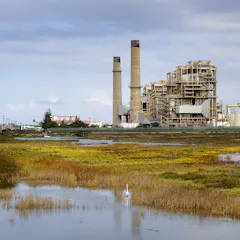
Scientists previously underestimated aquatic methane emissions. We must use this new information to stop methane derailing our attempts to stabilise the Earth’s temperature.
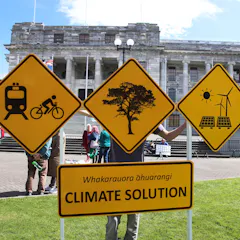
The Climate Change Commission releases New Zealand’s first comprehensive plan to cut emissions, calling on the government to “pick up the pace”.
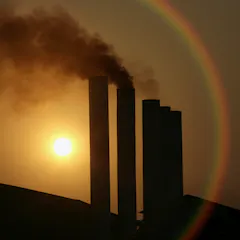
In Australia, methane emissions from fossil fuels are rising due to expansion of the natural gas industry, whereas agriculture emissions are falling.
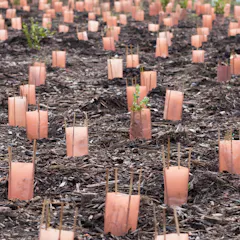
If agricultural land was used to grow crops, it would limit methane emissions from livestock, but not store a substantial amount of carbon. Growing trees is what makes the difference.
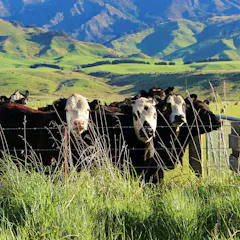
The New Zealand government’s decision to partner the farming sector to encourage voluntary reductions in farm emissions failed to acknowledge that agricultural emissions also affect water quality.
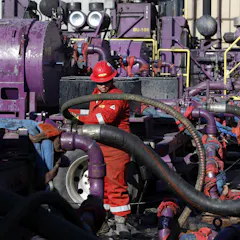
Two energy scholars who have studied the extent of methane leaks in the oil and gas industry explain what rescinding methane emissions regulations will mean to the climate and industry.
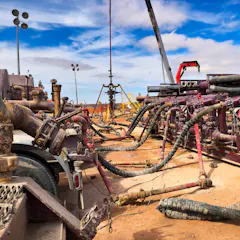
The majority of fugitive methane emissions come from a minority of locations and activities – so-called super-emitters.
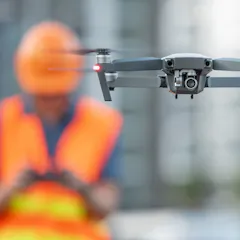
New technologies can help locate large methane leaks in a faster and more effective manner.

Fake meat may be the food of the future.
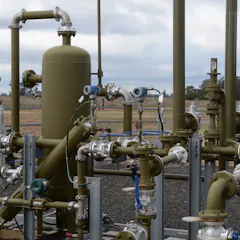
Gas mining is expanding across Australia, and has been touted as part of the answer to cutting emissions. But there is evidence that this rollout will pose significant health and environmental risks.
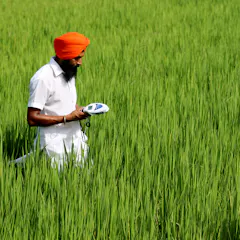
Food systems must be transformed to produce more nutritious food with a lower environmental footprint.
Top contributors
-

Research Scientist Trace Gases, National Institute of Water and Atmospheric Research (NIWA)
-
Research scientist, NASA
-
Chief Research Scientist, CSIRO Environment; Executive Director, Global Carbon Project, CSIRO
-
Professor of Physical Geography (Climate Science), Te Herenga Waka — Victoria University of Wellington
-
Professorial Fellow, Institute of Development Studies
-
Professor of Waste Management, The University of Queensland
-
Professor and Director Centre for Agricultural Engineering, University of Southern Queensland
-
Professor, Earth and Environment, Boston University
-
Professor in Applied Mathematics, Te Kunenga ki Pūrehuroa – Massey University
-
Professor in Law, University of Canterbury
-
Professor & Director, Primary Industries Climate Challenges Centre, The University of Melbourne
-
Postdoctoral Research Fellow, Southern Cross University
-
Emeritus Professor of Social Statistics, University of Manchester
-
Project Scientist
-
Professor Emeritus of Climate and Space Sciences and Engineering, University of Michigan