
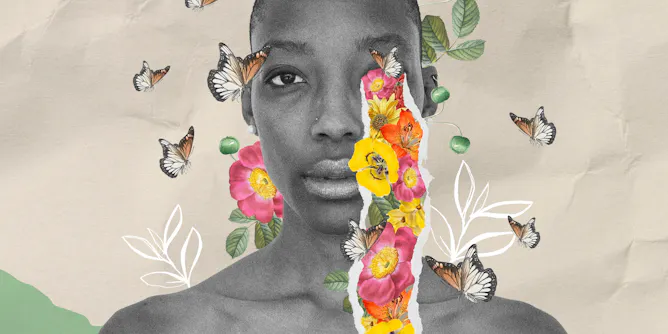
Even as Chido Muchemwa’s characters move between countries, generations and identities, they are tied by their desire for care.
Articles on Mermaids
Displaying all articles

Research shows how the group once portrayed as a respected source of advice began to be seen by some outlets as a danger to young people.

People might go to the movies to escape reality. Yet Barbie and Ariel choose to live in the world their audiences inhabit − and, in doing so, decide to die.
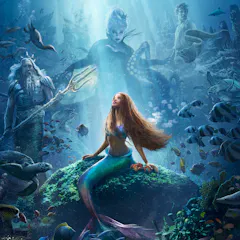
In The Little Mermaid, audiences finally get to see Ariel in all her powerful, adventurous glory.
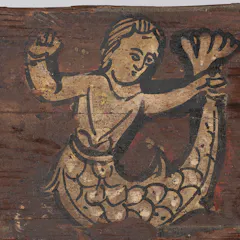
From Ancient Mesopotamia to Shakespeare to Arnhem Land, humans have been telling tails of mermaids for millennia.
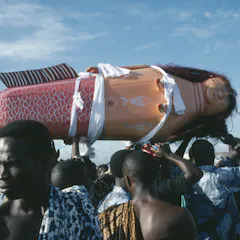
These literary works ask readers to rethink the histories of these half-human sea creatures and their role in society today.

A mermaid with face of a monkey and body of fish has reignited interest in the Japanese ningyo
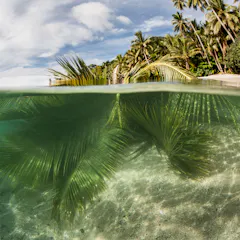
From Fiji to France to Central Australia, stories abound of lands lost beneath the sea. Some are likely founded on millennia-old memories of coastal submergence, offering us clues today.
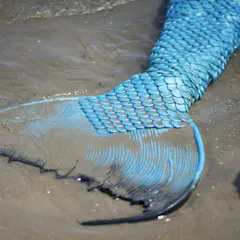
Mermaids are not real, but are meaningful to people around the world.
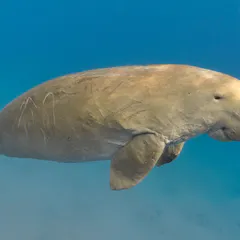
While the other members of the Sirenia are found in the Atlantic, the dugong is the only sea cow found in the Indian Ocean and south-western Pacific. This highlights its deep African connections.
Even if mermaids aren’t real, they’ll likely feature in human stories for many years to come. Very few mythical creatures are found in so many diverse cultures, across so many years without changing.
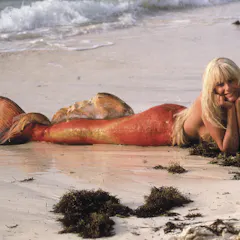
Humans’ love affair with these mythical creatures dates back to the dawn of civilisation and shows no sign of abating.
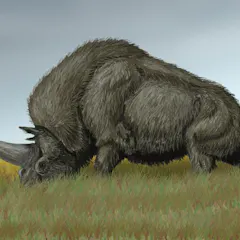
Fantasy often meets reality when we try to find explanations for mythological creatures.
Top contributors
-

Emeritus professor of biology, UCL
-
PhD student, University of Newcastle
-
Professor of English, University of Liverpool
-
Associate Professor of English, Arizona State University
-
Senior Lecturer, School of Biological Sciences & Institute of Marine Science, University of Auckland, Waipapa Taumata Rau
-
Lecturer in English Language, De Montfort University
-
Honorary Research Associate, Department of Classics and Ancient History, University of Sydney
-
Professor of Geography, School of Law and Society, University of the Sunshine Coast
-
Lecturer in Media and Communications, University of Surrey
-
Professor of English and Comparative Literature, San Diego State University
-
Senior Lecturer in Applied Writing and Humanities, Newman University
-
Associate professor, Stellenbosch University
-
Lecturer, Language and Culture, Keele University
-
Professor of English, Texas State University
-
Senior Lecturer, Stellenbosch University