

The health care world has changed a lot in 40 years, but Medicare hasn’t. Here are three areas for radical forms to the system that will achieve its aims of universal health care for all Australians.
Articles on Medicare reform
Displaying 1 - 20 of 36 articles

Instead of asking how to fix the rural GP shortage, we should look at the bigger picture and ask how nurse practitioners could work to their full capacity.
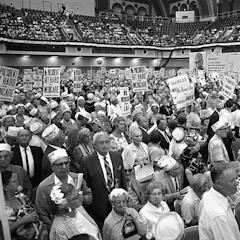
Bernie Sanders’ single-payer health care plan is bound to be expensive and politically impossible. A simple expansion of Medicare offers a cheaper and more passable path to universal care.

The clinical committee reviewing obstetrics services for the federal government’s Medicare review said suicide is one of the leading causes of maternal death in Australia. Is that true?

By 2020, the average GP will have lost A$109,000 in income due to the rebate freeze. To make up for this lost income, GPs will need to charge an A$11.40 co-payment per consultation.

Labor will lift the rebate freeze from 2017, while under the Coalition, GPs will be paid the same amount for delivering health services in 2020 as they were in 2014. So what does this mean for patients?

We start 2016 with big challenges for the health system and uncertainty as to how governments will meet them.
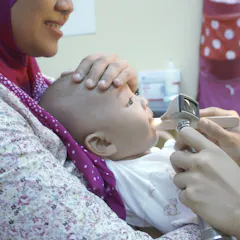
Cutting Medicare rebates for GPs affects us all, whereas in-hospital private patient rebates, which only benefit the better-off, are ripe for the razor gang.
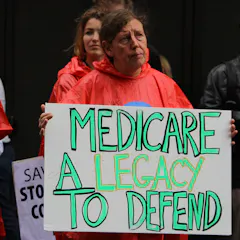
In the final instalment of our series, Lesley Russell asks whether Australians need private health insurance, and what a two-tiered systems means for quality, access and equity.

Any new such financing system would need to carefully balance competition and choice, with affordability of coverage and equal access to quality care.

Private insurance, by its very nature, suppresses price signals and encourages over-servicing and cost escalation.

Some people balk at the cost of private insurance – especially the relatively young and healthy – because they don’t see the value of it when they are already covered under Medicare.
How much do Australians pay for private health insurance?

The half of Australians who have private health insurance will be face higher bills from Wednesday, as insurance premiums increase by an industry average of 6.18%.

All Australian residents have access to Medicare, so why do half the population also decide to take out private health insurance?
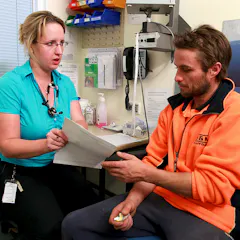
With GPs facing greater economic pressure and the health minister considering legislative change to make it easier for GP to charge them, GP co-payments, like Lazarus, may rise again from the dead.

As well as being responsible for a large share of total costs, people who visit the GP more often are more likely to live in the most disadvantaged areas, and to report being in poor health.

Health Minister Sussan Ley is broadly correct on the numbers – but they are framed in a way that overstates the impression of rising health care expenditure.
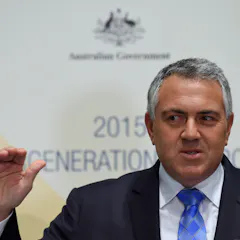
The Commonwealth appears to have its health outlays more or less under control. The problem for the states, however, is dire.
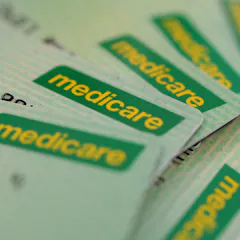
The Abbott government “reset” yesterday provides a valuable opportunity to reconsider health policies based on the idea that Australia’s health system is unsustainable. But first it will need to embrace…
Top contributors
-

Honorary Enterprise Professor, School of Population and Global Health, and Department of General Practice and Primary Care, The University of Melbourne
-
Senior Policy Adviser, National Rural Health Alliance; Adjunct Lecturer, University of Sydney
-
Reader in Health Economics, Centre for Health Economics, University of York
-
Associate Professor, Centre for Health Economics, Monash University
-
Adjunct Associate Professor, Menzies Centre for Health Policy and Economics, University of Sydney
-
Professor of Health Economics and Director, Centre for Health Economics Research and Evaluation, University of Technology Sydney
-
Lecturer, Public Sector Finance, University of Canberra
-
Associate professor, Director of the Family Medicine Research Centre, Sydney School of Public Health, University of Sydney
-
Research Fellow, Family Medicine Research Centre, Sydney School of Public Health, University of Sydney
-
Senior Lecturer, Sydney School of Public Health, University of Sydney
-
Professor of Health Economics, University of Bologna, University of Newcastle
-
Professor of Economics, UMass Amherst
-
Professor of Health Economics, Monash University
-
Associate Professor in Health Economics, Curtin University
-
Associate Professor, CEO and Director, Centre for Primary Health Care and Equity, UNSW