

Anthony Albanese has flagged a crack-down on people’s personal details being shared online without consent. But like so much of the internet, it’s hard to police.
Articles on Medibank data breach
Displaying all articles

Authorities across Australia and the UK are sounding the alarm about how data breaches have endangered domestic violence victim-survivors.

The Australian government has promised to crack down on companies that aren’t prepared to defend themselves against cyber crime, but their proposed new laws may offer those same businesses a reprieve.
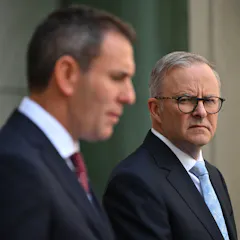
Word from The Hill 0103
Author provided8.33 MB (download)
As well as her interviews with politicians and experts, Politics with Michelle Grattan includes “Word from The Hill”, where she discusses the news with members of The Conversation’s politics team
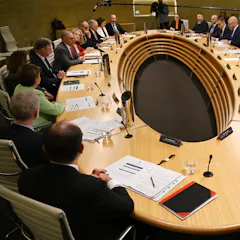
Should Australia ban ransomware payments? And should the government be able to commandeer companies’ IT systems? An expert explains the government’s new cybersecurity agenda.

The new coordinator will be backed up by a National Office for Cyber Security in the Home Affairs department
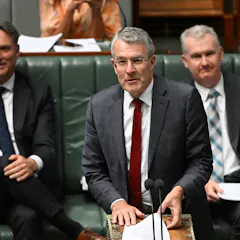
There are many good proposals in Dreyfus’s reform paper. But they risk being lost once again among the voices of those whose interests are served by maintaining the status quo.

Beyond neutralising the cybercriminals behind the Medibank breach, the taskforce will also seek out and attack other potential threats.

Banning cyber ransom payments might help ward off attacks, but there are some cases where organisations feel intense pressure to pay up.

In late 2021, REvil appeared to shut up shop. But it seems the group, or at least a close genetic descendant, is back in business.

It’s reported the stolen data of more than one million Australians have already been leaked – and more is expected.
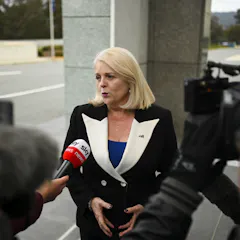
With Australians shocked by hackers starting to post Medibank data on the dark web, in this podcast Andrews calls on the health insurer to provide more information
Top contributors
-

Associate Professor in Cyber Security Studies, Macquarie University
-
Professorial Fellow, University of Canberra
-
Lecturer in Cyber Security Studies, Department of Security Studies and Criminology, Macquarie University
-
Matthew Flinders Distinguished Emeritus Professor, Flinders University
-
Associate Professor, School of Law, University of Canberra
-
Adjunct Associate Professor, School of Social Sciences, UNSW
-
Lecturer in Media and Communications, The University of Melbourne
-
Adjunct Professor, Australia-China Relations Institute, University of Technology Sydney
-
Professor, Faculty of Science and Technology, Charles Darwin University