

Some Afrobeats songs use moral language that softens and normalises cybercrime.
Articles on cybercriminals
Displaying all articles
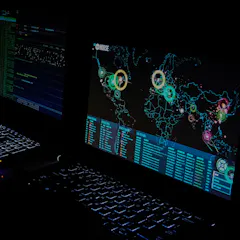
International law enforcement efforts against ransomware groups achieved successes in 2024. More global coordination is needed to keep up with cybercriminals, who are constantly adapting.
Cybercriminals are exploiting the growing market for online clicks. But there are measures to prevent this new kind of fraud.

Combining behavioural and data science yields high-quality insights from complex datasets.

It feels like a data breach is in the news every single week. Here’s why you should guard your personal information more jealously than ever.
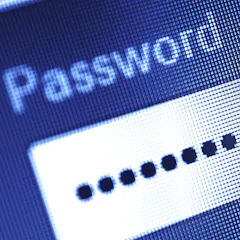
In what is colourfully termed a ‘brute force’ attack, hackers use bots to test millions of username and password combinations on different websites – until they find a match.

Prolific and highly profitable, LockBit provides ransomware as a service. Aspiring cybercriminals sign up to the scheme, and the group takes a cut. Here’s how it works.

Check fraud is one of history’s oldest financial crimes and criminals are finding new ways to use it to steal billions from banks.

Beyond neutralising the cybercriminals behind the Medibank breach, the taskforce will also seek out and attack other potential threats.

It’s reported the stolen data of more than one million Australians have already been leaked – and more is expected.

A well-known cybercrime group has threatened to release the data should the ransom not be paid.

The cybercrime ecosystem is vast and complex – and increasingly littered with specialists who will cheaply sell your data.

Twitter users’ responses suggest that southern Yahoo boys are more criminalised by Nigeria’s Economic and Financial Crimes Commission than their northern counterparts. We explain why.
The lack of clear communication on COVID-19 palliatives by Nigeria’s government allowed cybercriminals to defraud vulnerable people.

A cybersecurity research group has been tracking a significant rise in the number of stolen checks being sold on sites like WhatsApp and Telegram, which often results in stolen identities.

As schools and colleges confront the challenges of COVID-19, cybercriminals exploit weaknesses in the computer networks and online systems.

The recent attack on software supplier Kaseya has been labelled as the biggest global ransomware attack on record.
Top contributors
-

Professor of Cyber Security Practice, Edith Cowan University
-
Professor of Criminal Justice and Criminology, Georgia State University
-
Visiting Fellow, Mannheim Centre for Criminology, London School of Economics and Political Science
-
Professor of Information Systems, University of the Witwatersrand
-
Professor of Security and Fraud, University of Portsmouth
-
Adjunct Senior Lecturer, Applied Ethics and CyberSecurity, Griffith University
-
Associate Professor in Cyber Security, Adelaide University
-
Professor of Criminology, Deakin University
-
Senior Investigative Editor, The Conversation
-
Lecturer in Intelligence and Security, Edith Cowan University
-
Lecturer in Cyber Security Studies, Department of Security Studies and Criminology, Macquarie University
-
Professor of Management, University of North Carolina – Greensboro
-
Professor of Information Systems, Australian National University
-
Professor, Faculty of Science and Technology, Charles Darwin University
-
Associate Professor in Cyber Security Studies, Macquarie University