
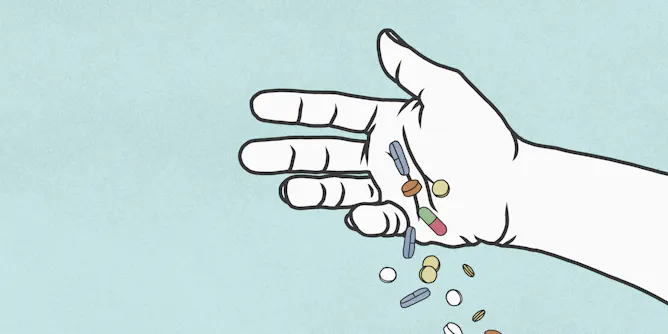
Like clockwork, September crime news is often cast as an ominous sign of what could happen on Halloween.
Articles on Media coverage
Displaying 21 - 40 of 62 articles
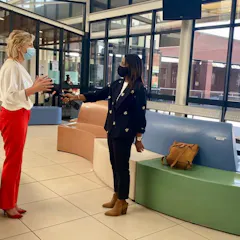
Journalists may unwittingly perpetuate the notion that men are the only experts worth listening to. This limits the visibility of women in science.
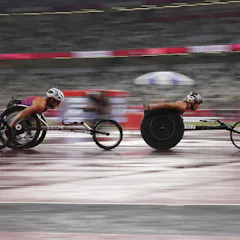
The media determines how Paralympians are depicted to viewers. What it chooses to focus on can help change attitudes about disability.

New normal. Record-breaking. Unprecedented. In recent days, as Western Canada and the United States have been broiling under a climate-fuelled heat crisis, all sorts of superlatives have been used to describe…

Hollywood continues to dramatically exaggerate the medical risks associated with abortion while downplaying barriers to access.

In 2016, America’s adversaries seemed to cheer electoral chaos and a withering faith in democracy. Now they seem to be hoping democracy can topple a leader they’ve grown loathe to deal with.

What role do foreign actors play in African elections? Cambridge Analytica’s case sheds some light.
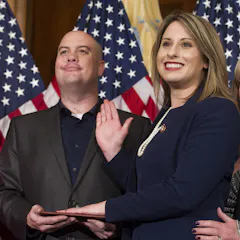
Just as domestic violence was once misunderstood and tolerated, many today fail to grasp how nude photographs can be wielded as weapons of abuse.
You’re just as likely to be a victim of a mass shooting as you are to be struck by lightning. So why do nearly 50% of Americans say they’re afraid of being caught in the crossfire?

With major dailies giving a megaphone to the police, the coverage of Stonewall is a reminder of what’s lost when alternative media outlets wither away.

Female athletes barely receive more attention than horses and dogs. And if you’re a woman who wants to become a sports journalist, you should steel yourself for some social media venom.
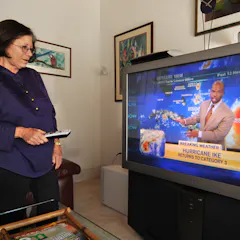
Media reports are starting to directly connect climate change to its weather effects in local communities. But how you respond to those linkages depends on what you already think about climate change.
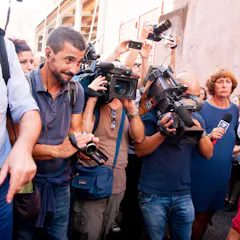
The transition to digital media is messy, and sometimes bloody – and beat journalism is among the victims.
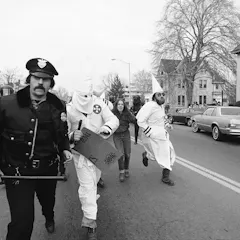
In 1979, David Duke told the media he had launched a wildly successful recruiting drive in Connecticut. A local reporter wanted to test Duke’s claims – so he filled out an application to join the KKK.
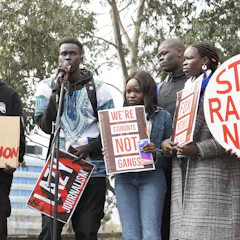
The problem is the disproportionate amount of attention on the so-called African gang problem and the way these incidents are being reported.

White shooters are nearly 95 percent more likely to have their crimes attributed to mental illness than black shooters.
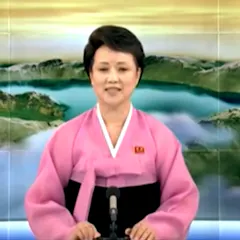
The reclusive country’s media is tightly controlled and choreographed. But a close look at the tone and focus of the coverage can shed light on the regime’s priorities and resolve.
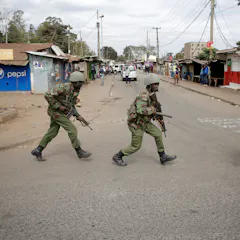
Kenya’s press has admitted to self-censorship after the August 8th poll to avoid a repeat of 2008’s post-election violence. But by refusing to inform the public has the media lost credibility?

In the wake of Trump’s proposed transgender military ban, new research highlights the potential for entertainment –more than news coverage – to open minds on even the most polarizing issues.
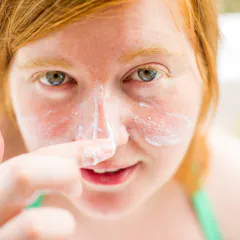
A US study into whether a new drug can give us a tan without going into the sun generated headlines around the world. Here’s what the study really says.
Top contributors
-

Assistant Professor of Communication, Oklahoma State University
-
Assistant Professor, Monmouth College
-
Professor of Communication and Media Analysis, Loughborough University
-
Professor of Educational Leadership and Policy Studies, School of Education, University of Nottingham
-
Professor, School of Psychology, Cardiff University
-
Senior Lecturer in Journalism, Glasgow Caledonian University
-
Professor of Political Communication, Loughborough University
-
Principal Lecturer in Journalism, University of Brighton
-
Professor in Philosophy, Australian Catholic University
-
Dean, School of Global Studies, Oklahoma State University
-
Lecturer, School of Journalism, University of Nairobi
-
Professor in Media and Communication, Goldsmiths, University of London
-
PhD Student in Sociology, The Ohio State University
-
Principal Research Fellow, Dermatology Research Centre, The University of Queensland
-
Associate Professor, Washington State University