
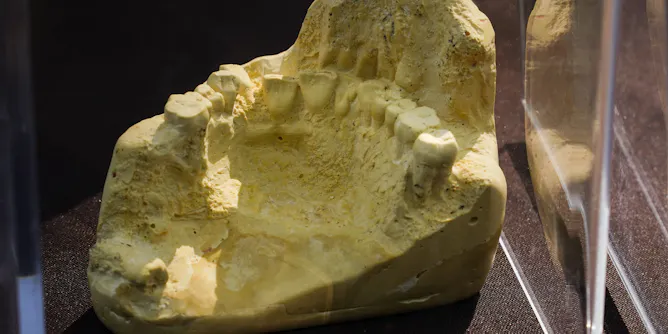
A team of historians, archaeologists and forensic anthropologists is trying to identify 15 German soldiers who were unceremoniously dumped in a ditch after trying to help the British capture Philadelphia.
Articles on mass graves
Displaying all articles
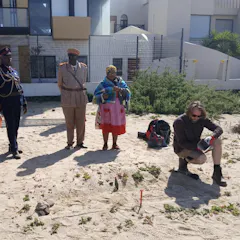
Without intervention, the important surviving physical evidence and the opportunity for commemoration will be lost.

If archives were destroyed and public history suppressed, where else might the past be found?

Our study has finally uncovered the circumstances surrounding the death of 77 people, mostly women and girls.
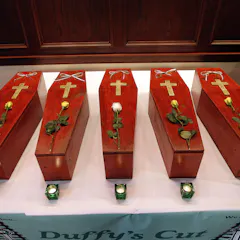
Researchers have discovered a second mass grave of Irish immigrant railroaders in Chester County, Pa.
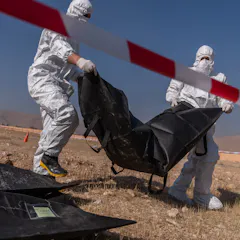
Hundreds of thousands have been killed in civil war-torn Syria.
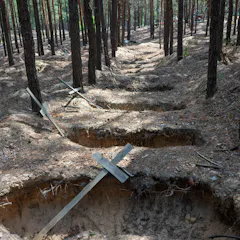
‘An underground map of atrocity that stretches across the planet’s surface’.
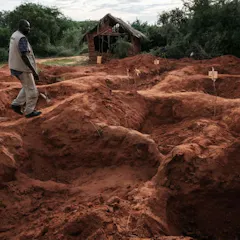
The media attention, public backlash and judgement of the dead in the cult saga have made processing the loss difficult for families.
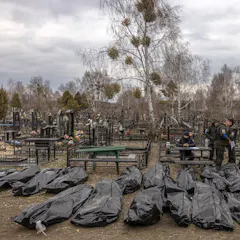
Identifying the victims of a mass casualty event is a crucial part of grieving and community healing.
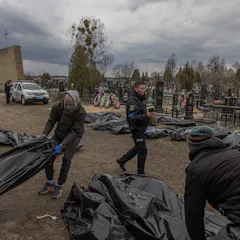
The grisly work of forensic investigators at the scene of a possible war crime.
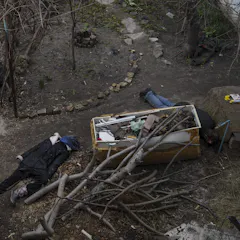
President Biden said that Vladimir Putin had committed war crimes, after news emerged of mass civilian murders in Bucha, Ukraine. Three stories from our archive explain what this means.
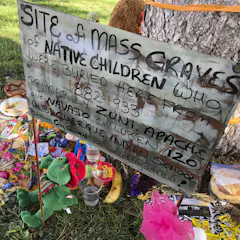
For Indigenous Peoples Day, a scholar of Native American studies explains why understanding the tragic history of Indian boarding schools is important for healing to take place.
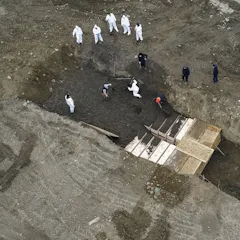
From burial sites targeted by grave robbers to disposing of ashes at sea, the job of disposing of the unclaimed dead has a rich history. Sadly, it still goes on today and is on the rise.
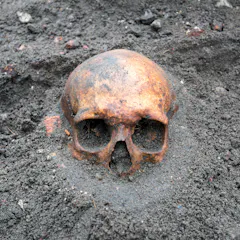
Scientific advances are allowing forensic archaeologists to shed light on mysteries long thought unsolvable.
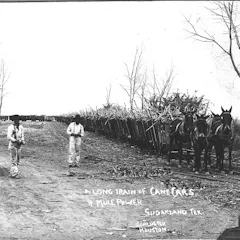
An African-American burial ground uncovered at a construction site in Texas has ignited debate on how to protect black history as suburban sprawl overtakes rural areas once farmed by enslaved workers.
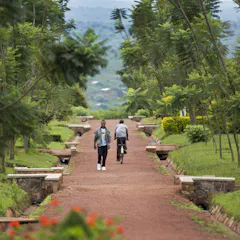
Is it always good to talk about violent pasts? Sixty Rwandan youths participated in a research project that aimed to understand the perspectives of people born of rapes committed during the genocide
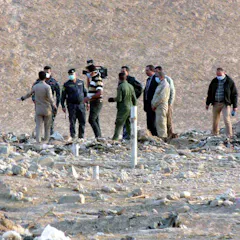
When mass graves are disturbed, it makes it harder to find out the truth about what happened.
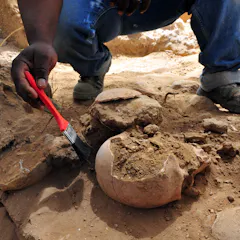
An archaeology lecturer was lambasted for allowing students to step out if they get upset. Why he was right to do so.
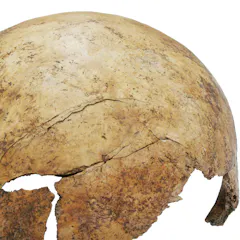
These massacres entail killing on a relative scale seen today only in the most war-torn countries.
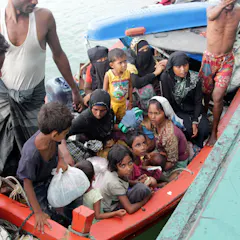
A summit in Bangkok is discussing the fate of thousands of people who were stranded at sea. Australia is represented but refuses to resettle any refugees, casting doubt on its commitment to a regional solution.
Top contributors
-

Professor in International Law, Bournemouth University
-
Professor of Scientific and Prehistoric Archaeology, University of Oxford
-
Professor of Conflict History and Archaeology, University of Glasgow
-
Assistant Professor, Texas A&M University
-
PhD Candidate, International Criminal Law, Middlesex University
-
Associate Professor, Department of Sociology and Social Anthropology, Dalhousie University
-
Professor in Human Rights and International Law, University of Newcastle
-
Senior Lecturer in Forensic Anthropology, Cranfield University
-
Associate Professor of Forensic Science, Murdoch University
-
Senior Visiting Scholar with the Center for the Study of Genocide and Human Rights, Rutgers University
-
Professor of History, University of Illinois Urbana-Champaign
-
Distinguished Professor of Anthropology; Director, Center for the Study of Genocide and Human Rights, Rutgers University - Newark
-
Reader in Forensic Geoscience, Keele University
-
Vice-President (Students & Learning) and Professor of Anthropology
-
Teaching Fellow and Instructor of History, Case Western Reserve University