
Three philanthropy scholars size up the latest data on gifts from the country’s biggest philanthropists.
Articles on MacKenzie Scott
Displaying all articles
Three philanthropy scholars size up the latest data on gifts from the country’s biggest philanthropists.

Three philanthropy scholars discuss several trends in giving by the wealthiest Americans highlighted in this yearly report. Among them: Much of this money doesn’t go to charities right away.
The founder of the now-defunct exchange for trading cryptocurrencies believed in ‘earning to give.’

Some of the largest donations made in 2021 went to donor-advised funds, financial accounts known as DAFs.

This growing trend aims to shift some of the power funders typically wield to the groups getting their money.
The approximately $12 billion she’s given away in the past two years has shattered conventions, explains a philanthropy historian.

Winners of a new gender-equity contest do an array of work that includes helping caregivers and trying to reduce intimate-partner violence.
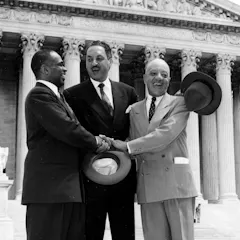
When white philanthropists made large gifts to these schools in the 19th century and early 20th century, many insisted upon a vocational focus for Black higher ed.

Her giving style is unusual for a billionaire donor.

By not attaching any strings to the money, championing representation and generally taking care to respect nonprofit leaders, she’s following five best practices.
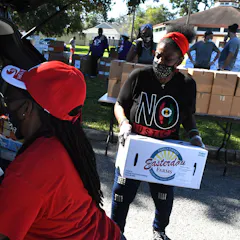
Normally, giving declines when the economy contracts. But charitable donations grew anyway, two researchers explain.
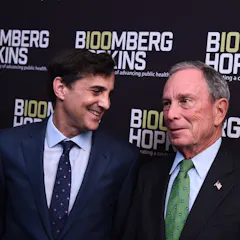
In some cases, big donors are supporting higher education to support a philanthropic strategy that includes racial and economic justice.

Whether they are single or married, giving as a group or on their own, women express their generosity in distinct ways.
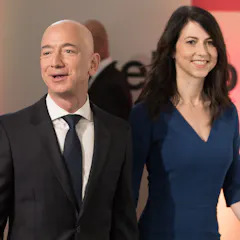
While support for social services and historically black colleges and universities rose sharply, these donors spent a tiny fraction of what the government distributed to people who needed help.

By not attaching any strings to the money, championing representation and generally taking care to respect nonprofit leaders, she’s following five best practices.
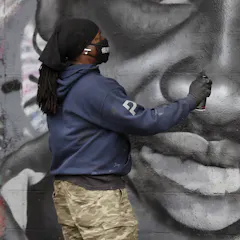
From thousands of people chipping in as little as $5 to George Floyd’s GoFundMe to donations well in excess of $1 million to HBCUs, anti-racist philanthropy is rising.
Top contributors
-

Professor of Public Administration, Binghamton University, State University of New York
-
Frey Foundation Chair for Family Philanthropy, Grand Valley State University
-
Associate Director of Research, Lilly Family School of Philanthropy, and Managing Editor, Giving USA, Indiana University
-
Interim Director of Data & Research Partnerships at the Lilly Family School of Philanthropy, Indiana University
-
Associate Professor of Public Affairs and Administration, Rutgers University - Newark
-
Associate Professor of Philanthropic Studies, Indiana University
-
Research Associate of Philanthropy, Women's Philanthropy Institute; Doctoral student of Philanthropy, Indiana University
-
Professor of Economics and Philanthropic Studies; Associate Dean for Research and International Programs, Lilly Family School of Philanthropy, Indiana University
-
Doctoral candidate in Public Policy and Management, University of Washington
-
Global philanthropy expert, Carleton University
-
Assistant Professor of Management, School of Business Administration, Harrisburg campus, Penn State
-
Teaching Professor of Management & Organization, Academic Director of the Master of Nonprofit Administration, University of Notre Dame
-
Professor of Accounting, The Ohio State University
-
Professor of Public Administration and Policy, University at Albany, State University of New York
-
Bob and Carol Mattocks Distinguished Professor in Nonprofit Leadership, North Carolina State University