
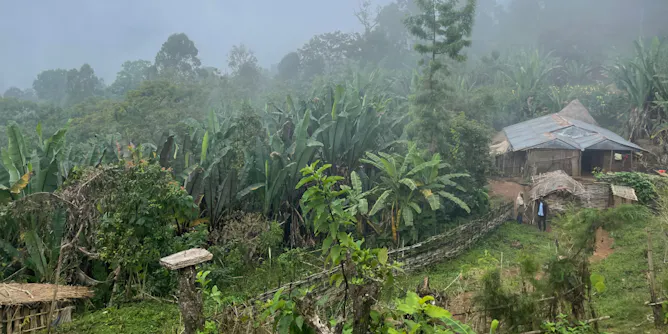
Ethiopia’s protected areas conserve almost 10% of the country, but new research has found that people living near nature reserves may be more likely to go hungry.
Articles on Livelihoods
Displaying 1 - 20 of 25 articles

Working within existing informal regulations in Kenya’s sand industry would help boost livelihoods and inclusion.
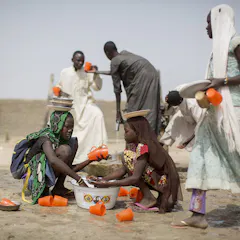
As Lake Chad dries up, livelihoods erode and Boko Haram profits, taxing fish and cattle.
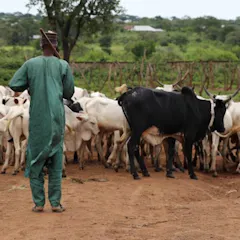
Blending livelihood strategies based on what works at different times in specific environments has been key to human survival for thousands of years.
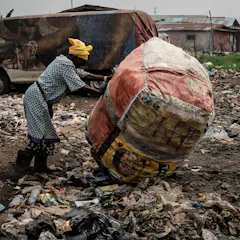
In Nigeria, informal collectors of plastic bottle waste are central to resolving the clash between its environmental costs and economic benefits.

The viability of any music culture depends on the availability of musicians.
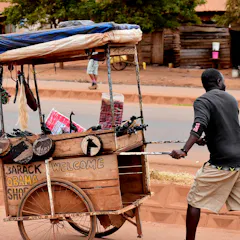
Street sales are a source of jobs, income and survival for the urban poor in Ghana.
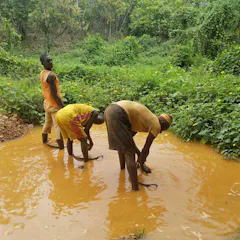
The activities of artisanal small-scale miners can be turned into an economic good.
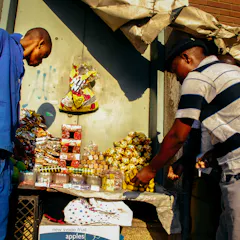
As much as 31% of grant beneficiaries engage in informal work to ‘grow’ their income.
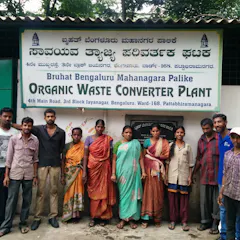
To focus on sustainable development goals, platforms need to change from being exclusively focused on profits and value appropriation to perceiving themselves as public goods.

The demand for donkey hides to produce ejiao has led to a shortage of donkeys in China and increasingly worldwide.

Budgets are imperative for people to manage their resources and attain financial goals.

Inflation is perhaps the biggest poverty accelerator in the economy due to its weakening effect on people’s purchasing power.

Ghana’s early lockdown strategy impacted an already vulnerable working class.
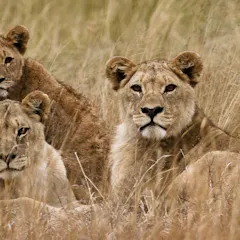
Debates centred on the role of recreational hunting in supporting nature conservation and local people’s livelihoods are among the most polarising in conservation today.
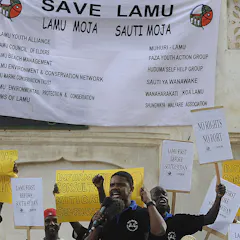
Africa’s blue economy initiatives focused on economic outcomes. Limited attention was given to social equity and ecological sustainability.

Africa’s leaders need to implement COVID-19 policies that protects African economies from the health crisis.
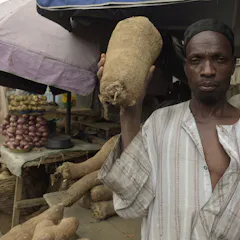
By using the simple technique of harvesting when the lower leaves begin to turn to yellow, yam farmers can determine the earliest possible time to harvest.
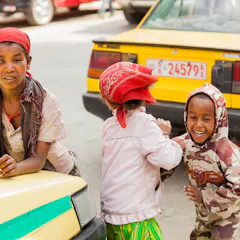
As Addis Ababa develops into a modern city, beggars are increasingly being treated like public nuisances and criminals.
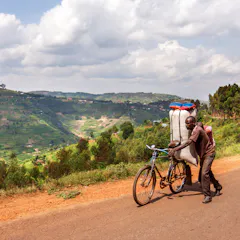
A massive rural on-grid electrification programme in Rwanda has delivered considerable benefits. But is it the most sensible way to deliver power to remote areas?
Top contributors
-

Associate Professor in Childhood Studies, Norwegian University of Science and Technology
-
PhD student, Swiss Graduate School of Public Administration (IDHEAP), Université de Lausanne
-
Professor, Gender & Women's Studies, Anthropology & Marine Affairs, University of Rhode Island
-
Research Fellow, Institute of Development Studies
-
Professor of Anthropology and Marine Affairs, University of Rhode Island
-
Research Associate, Department of International Relations, University of the Witwatersrand; Chief Research Officer, Good Governance Africa; Managing Director, Harvey Economics Pty Ltd.
-
Professor of Environment and Development, University of Birmingham
-
Research Fellow, Institute of Development Studies
-
Assistant Professor, Business Technology Management, Concordia University
-
Professor of Social Development Studies, University of Johannesburg
-
Lecturer in Sustainable Futures, University of St Andrews
-
Professor of Food Science, Ladoke Akintola University of Technology, Ogbomoso
-
Associate Professor, Institute of Statistical, Social and Economic Research (ISSER), University of Ghana
-
Lecturer/Researcher, Obafemi Awolowo University
-
Professor, Leibniz Institute for Economic Research