
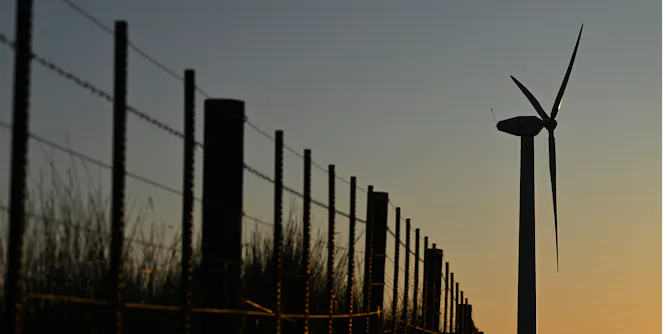
Of all Australia’s climate policies, the Renewable Energy Target has been the most effective. Why have Australian governments moved away from it, and how can they revive it?
Articles on Liddell power station
Displaying all articles
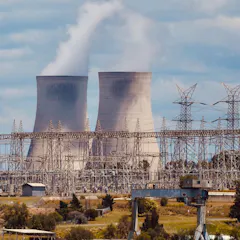
Liddell’s closure is an historic moment in the Australian energy landscape. Now, let’s get to net-zero.
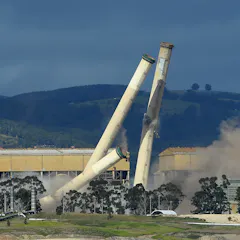
The end of coal-fired generation in Australia is inevitable. But the federal government can do more to ensure an orderly transition to renewables – avoiding price spikes and supporting workers.
Building a new power plant hardly fits in with the Coalition’s free market philosophy, but then again neither does a massive support package to cushion the economy through a pandemic.
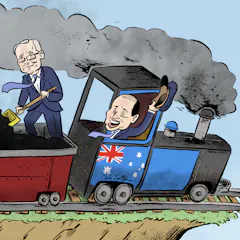
The federal government’s the stubborn commitment to coal is pulling the government’s economic policy towards the sort of state socialism it is supposed to abhor.
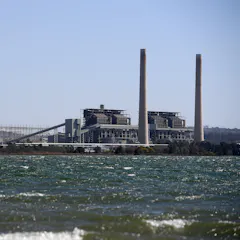
Government pressure on AGL to keep its Liddell power plant open past 2022 ignores the sensible, cost-effective plan to replace it.
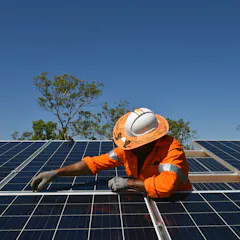
The price of renewable energy will fall significantly relative to new-build coal in coming decades, making an all-renewable electricity system more desirable, both economically and environmentally.
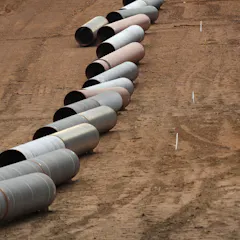
Prime Minister Malcolm Turnbull has blamed gas exports for rising energy costs, breaking with a party room determined to find renewables guilty.
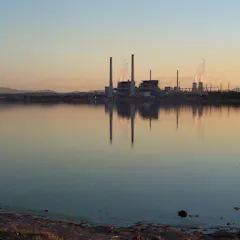
We need to remember that baseload coal power stations won’t help cope with peak demand – the issue that will determine whether people in elevators are trapped by a sudden blackout, per Barnaby Joyce.

The energy market operator has warned of possible future electricity shortages – but only if everything stays frozen as it is now.
Top contributors
-

Associate Professor of Economics, Griffith University
-
Associate Professor, Griffith University
-
Emeritus professor, Australian National University
-
Senior Industry Fellow, Environment and Planning, RMIT University
-
Emeritus Professor of Sociology, Australian National University
-
Visiting Fellow, Tax and Transfer Policy Institute, Crawford School of Public Policy, Australian National University
-
Tutor, The University of Queensland
-
UCL
-
Research Principal in Energy Futures, University of Technology Sydney
-
The University of Queensland
-
PhD Candidate, Griffith University
-
Professorial Fellow, University of Canberra
-
Emeritus Professor of Politics, La Trobe University
-
DPhil Candidate, University of Oxford
-
Energy Fellow, Grattan Institute