
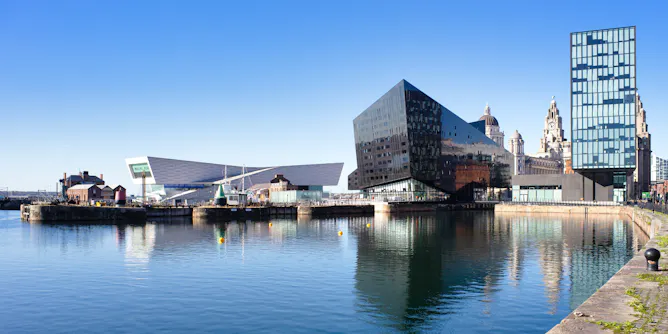
The UK must find better ways to assess value for money when it comes to culture – otherwise valuable projects could miss out on funding.
Articles on Levelling up
Displaying 1 - 20 of 43 articles
Research has long shown that globally, left-behind communities are less likely to vote in either local or general elections, largely because they feel neglected by the political process.
Despite a decade of Northern Powerhouse and levelling up, England remains thoroughly divided.

English councils have neither the ongoing funding or the staffing needed to effectively deliver on the government’s economic development promises.
Years of political turbulence, economic shocks and the failure to ‘level up’ as pledged have turned English devolution into a key political and constitutional issue

A nine-year study shows local projects to tackle inequality can themselves cause inequalities among the people who get involved.

Angela Rayner’s expansive policy brief faces the threat of ‘short-termism’ perhaps more than any other. If Labour win power, will Rayner be able to fight against these short-term political incentives?

Infrastructure development in Northern England has been increasingly muddled in recent years. Few will be convinced by Sunak’s new pledge to fix this.
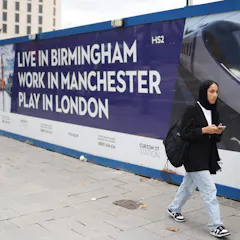
With all delays on this train line over the last decade, it may have been a costly distraction from other projects that could have contributed to levelling up in the meantime.
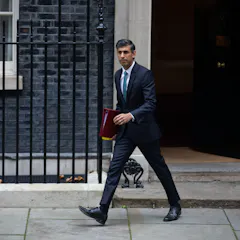
Economists do not have the analytical tools to properly measure the full value of a megaproject. Deciding on whether to pull the plug or not is always a political matter.

More than a decade of austerity in English local government has squeezed councils to their utter financial limits.

Business bosses appear reluctant to take part in open debate about their firms’ contribution to growing regional inequalities.

Why addressing inequality in ‘left-behind’ places requires more than ‘levelling up’.

Customs provide crucial scrutiny of goods, processes and documentation. UK freeports will only succeed with similarly robust measures in place.

Preparing a bid for such funding can cost project hopefuls up to £30,000.

Certain parts of the UK are classed as “left behind” and will feel the effects of an economic downturn more acutely than others.
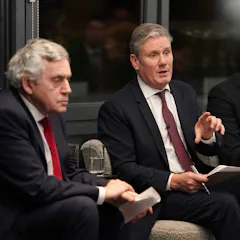
The plan to abolish the House of Lords has drawn the most attention but Labour is also proposing radical changes to how power is distributed.

Cuts to public spending do not actually result in efficiency savings because they cause more problems for people than they solve.

Whether moving away is a good idea depends as much on a young person’s aspirations as it does on their resources. Staying put – or moving back – does not necessarily mean personal failure.

A mass die-off of crustaceans occurred on England’s north-east coast last autumn – the government’s explanation of the cause is unlikely to be true.
Top contributors
-

Lecturer in Politics and Public Administration, University of Liverpool, University of Liverpool
-
Honorary Research Fellow, City Political Economy Research Centre, City St George's, University of London
-
Research Fellow, City-Region Economic Development Institute (City-REDI), University of Birmingham
-
Lecturer in Politics, University of Bristol
-
Professor of Public Policy, University of Manchester
-
Professor of Sociology, University of Surrey
-
Reader in Urban Planning, University of Liverpool
-
Senior Lecturer at York Business School, York St John University
-
Professor of Urban Economics & Real Estate, University of Manchester
-
Visiting Academic, The Open University
-
Professor of Regional Economic Development, University of Birmingham
-
Professor of Social Policy, University of Salford
-
Research Associate in Public Policy, University of Liverpool
-
Professor of Economic Geography, Cardiff University
-
Principal Lecturer in Business Engagement and Enterprise, Teesside University