
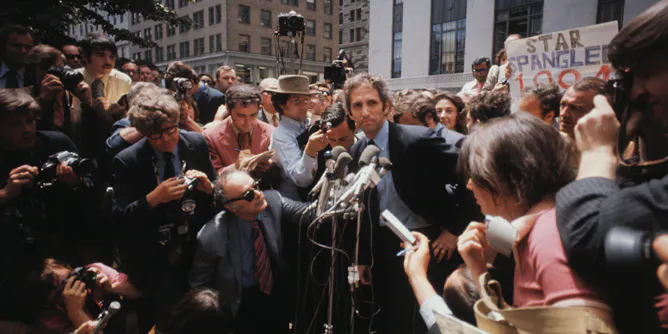
The episode might have slipped quietly from the news had Nixon decided to not attack the messenger.
Articles on Leaks
Displaying 1 - 20 of 21 articles
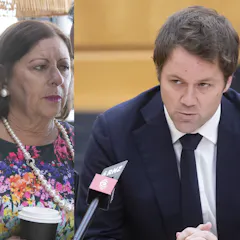
National MP Hamish Walker and political powerbroker Michelle Boag have admitted leaking confidential patient information – but does that make them legally liable too?
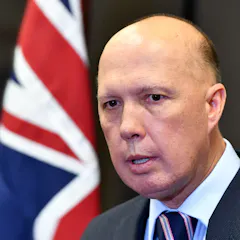
Federal home affairs minister Peter Dutton says the government’s “expectation” is that federal police should consider the importance of press freedom before investigating leaks to journalists.
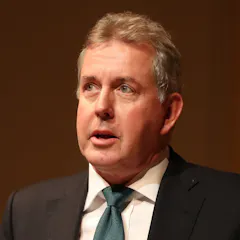
The leak of US dipomatic cables by Wikileaks revealed some equally frank assessments of British politicians.
Politicians have been leaking secrets to journalists as long as newspapers have existed. But it’s getting more difficult thanks to surveillance technology.
Australians aren’t confident that the government can be trusted with their data, or that is has the right safeguards in place to protect it.
American citizens have long favored government openness over secrecy. But with heightened anti-leak and anti-press rhetoric, do some now want strengthened government control of information?

Leaking classified information violates the law. But it doesn’t mean that people are abandoning their ethics.
A newspaper’s job is to publish information. But fingers should be pointed at whoever leaked it.
A professor who once held top secret clearance explains how levels of classification work and where handling sensitive information gets tricky.
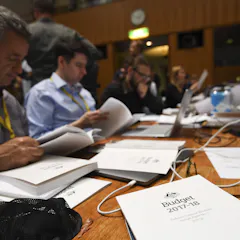
Successive governments have come to see the potential political gain in selectively leaking details of the budget before the big night.
Yes, Big Brother is almost definitely watching. Here, five tips for researchers on keeping you and your sources safe.
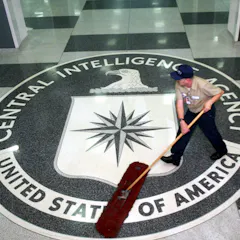
WikiLeaks’ latest release details what it claims is the CIA’s hacking activities, including compromising phones, TVs, cars and becoming an NSA with less accountability.
The @RoguePOTUSStaff account claims to be a genuine inside source of West Wing dirt, and hundreds of thousands of people seem to trust it.

With an explosion of media outlets that don’t adhere to mainstream journalistic standards, it’s became difficult for readers to know whether to trust reports based on unnamed sources and leaks.
Government agencies and contractors are now less trusting of their workers, and keeping a much closer eye on them, both on and off the job.
Breaches of confidential information are inevitable. But we can limit their size and scope, and therefore their damage.
When major data breaches happen, how are they carried out? And is there anything companies can do about them?
Online activism now means creating alternative ways to work, communicate and protest.

The rise of leaktivism: specialised platforms and organisations that turn data into a weapon to strike at government and corporate power.
Top contributors
-

Professor of Information Technology Management, University at Albany, State University of New York
-
Associate Professor of Information Systems, University of Maryland, Baltimore County
-
Professor of the Practice of Political Science and International Relations, USC Dornsife College of Letters, Arts and Sciences
-
Associate Professor in Contemporary Discourse, University of Portsmouth
-
Research Associate, Tampere Peace Research Institute, Tampere University
-
Professor of Law and Director of the Center for Professional Ethics, Case Western Reserve University
-
Director, Center for International Media Law and Policy Studies, Indiana University
-
Senior Lecturer in Media, Cardiff University
-
Director of UWA Centre for Software Practice, The University of Western Australia
-
Senior Lecturer in International Relations and Politics, University of Winchester
-
Assistant Professor of Journalism, Accountability and Democracy, American University School of Communication
-
Associate Professor Media and Communication, University of Leicester
-
Senior Research Fellow, Centre for Advancing Journalism, The University of Melbourne
-
Reader in Journalism, City St George's, University of London
-
Professorial Fellow, University of Canberra