
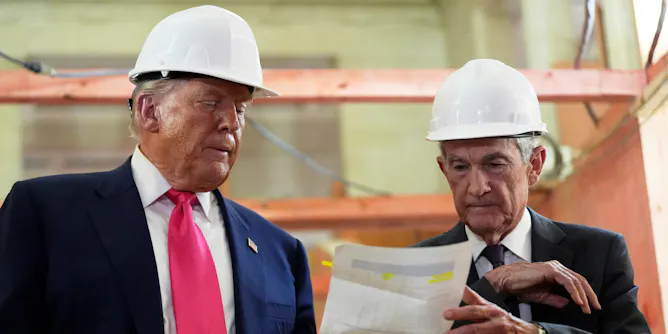
Politicians have long coveted control over monetary policy. Good economic governance requires that they don’t get it.
Articles on Jay Powell
Displaying all articles

The stagflation crisis of the 1970s stands as a clear warning of what might happen if the Fed’s independence is compromised.
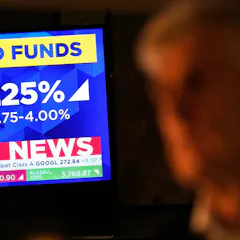
Even in the best of times, the Fed has a tough time interpreting the data and deciding how best to guide the US economy.
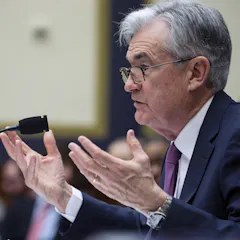
The Federal Reserve is expected to cut interest rates by a quarter-point during its September meeting.

Monetary policy can be wielded as a tool to boost an economy around election time, which explains why politicians want to have a say on it.
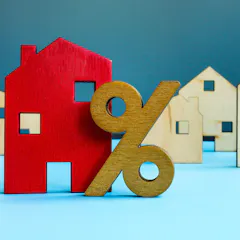
Central banks have been signalling that rate rises are going to get more aggressive again, but can the economy actually take it?
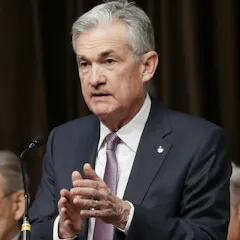
Central bankers are set to slow down their rate hikes.

The Fed is waging war to get inflation down to its preferred level of around 2%. An economist explains what’s so special about that number.
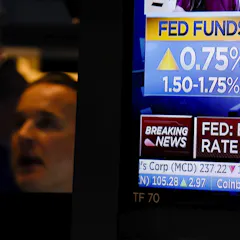
The Fed raised interest rates the most in nearly three decades to fight stubborn inflation. A finance expert explains what’s happening, the risks and what it means for consumers.

A bigger-than-expected jump in inflation means the Fed may have to get more aggressive about interest rate hikes. An obscure economic indicator suggests it has room to do so.
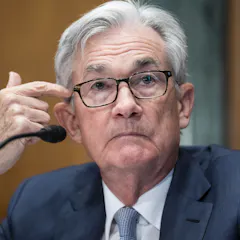
The Fed officially began its biggest inflation fight in four decades.
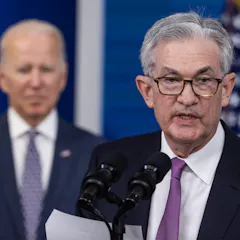
Transitory or persistent? That’s still the big question facing central bankers over inflation.
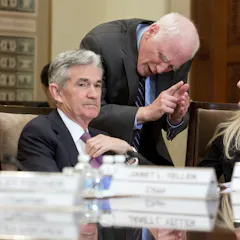
After weeks of mulling, Biden decided to give Powell another term as Fed chair, which means he will have more influence over the trajectory of inflation than anyone else.
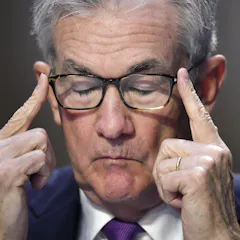
The Federal Reserve decided to slow its pace of bond-buying, potentially the beginning of the end of a program that’s been supporting the economy since March 2020.
Business conditions aren’t translating to confidence, despite growing profits and jobs.
Top contributors
-

Associate Professor of Economics, Pace University
-
Associate Teaching Professor of Finance, University of Notre Dame
-
Professor or Political Science, Department of Government, University of Essex
-
Professor of Political Science, Michigan State University
-
Associate Professor of Finance, Mississippi State University
-
Senior Lecturer in Economics | Freelance Consultant, Sheffield Hallam University
-
Scientia Professor of Economics, UNSW
-
Assistant Professor of Economics, Clark University
-
Associate Professor of Finance, University of Nebraska Omaha
-
Professeur de Comptabilité et Finance, Doyen Associé à la Recherche, ESC Pau
-
Assistant Professor of Finance, Trinity College Dublin
-
Lecturer in Politics, Department of Government and International Relations, University of Sydney
-
Principal and Vice Chancellor, University of Glasgow