

After two people in the Northern Territory died from Murray Valley encephalitis, health authorities are warning residents and travellers to avoid mosquito bites.
Articles on Japanese encephalitis
Displaying all articles

Insect repellents are the most common way to prevent mozzie bites. Here’s what the science says about their safety profile.

Mosquito bites are more than annoying. They can also spread potentially deadly diseases.
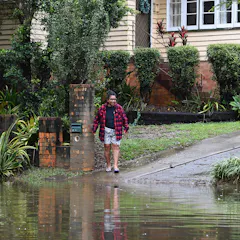
Flood waters boost mosquito numbers. Disease outbreaks don’t always follow but it’s important to remove stagnant water from your property to reduce the disease risk.

Health authorities in Victoria and NSW are warning of an increased risk of potentially life threatening mosquito-borne disease. What can you do to protect yourself and your family?

This summer is expected to be dry and hot. Here’s what that means for the risk of mosquito-borne diseases.

Murray Valley encephalitis has been detected in south-eastern Australia. No human cases have yet been reported, but past outbreaks after floods show we need to be cautious.
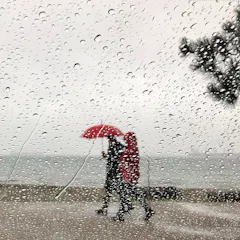
Mozzies can make you sick by injecting a cocktail of saliva and virus when they bite. Ross River virus has long been a risk but now we’re also contending with the more serious Japanese encephalitis.

Authorities have been warned about five virus families that could cause future pandemics. Here are snapshots of the diseases each can cause and why we should be worried.
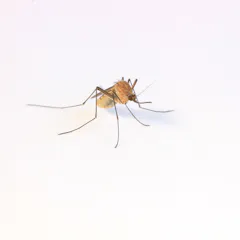
Mosquitoes are commonplace in summer but where do they go once the weather cools? They don’t completely disappear but find fascinating ways to survive the winter.
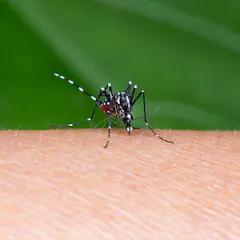
Around 99% of people infected with JEV will have no or very mild symptoms. But in less than 1% of cases, it can become serious.
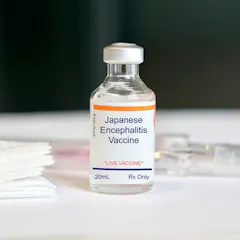
Until now, access to the vaccines has been limited. But that’s expected to change.

Japanese encephalitis virus is rare and doesn’t usually cause symptoms. But in a small proportion of cases it can result in long-term neurological impairment and death.
Top contributors
-

Clinical Associate Professor, School of Medical Science & Sydney Infectious Diseases Institute; Principal Hospital Scientist, University of Sydney
-
Medical Entomologist, The University of Queensland
-
Associate Professor and Research Leader in Virology and Infectious Disease, Griffith University
-
Lecturer in Epidemiology and One Health, University of Sydney
-
Professor of Infectious Diseases, Monash University
-
Research Fellow, Institute for Glycomics, Griffith University
-
Professor of virology and theme leader for viral infectious diseases, The Peter Doherty Institute for Infection and Immunity
-
Senior Lecturer of Infectious Disease Epidemiology, University of Sydney
-
Professor in Medicine, Menzies School of Health Research
-
Associate Professor, Child and Adolescent Health, University of Sydney