
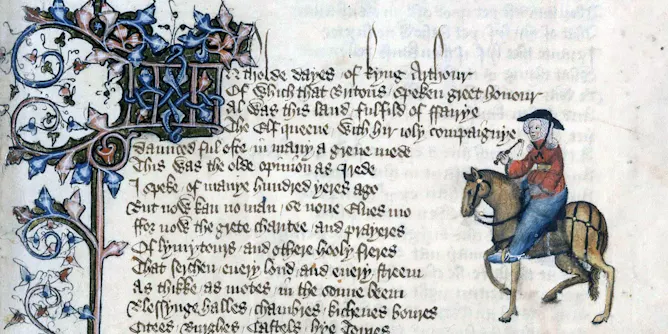
Whether courageous and confident or quietly subversive, literary heroines can inspire us in our everyday lives.
Articles on Jane Eyre
Displaying all articles
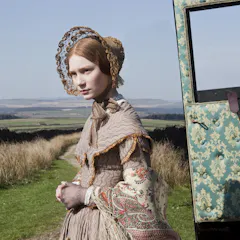
Re-reading Jane Eyre after my diagnoses of autism and ADHD, her journey resembles the struggles of autistic women who learn to mask. I’m not the first one to see it.
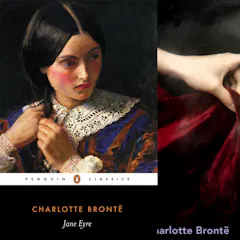
Charlotte Brontë’s first-person masterpiece is a landmark in the novel of interiority, the history of feminism, and the representation of religion and race.
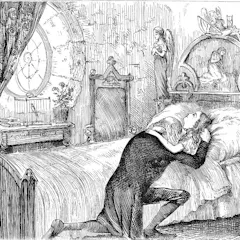
Between 40% and 50% of children didn’t live past 5 in the US during the 19th century. Popular authors like Charles Dickens documented the common but no less gutting grief of losing a child.
Classic books like Jane Eyre took on new meanings while the lengths of others made us aware of our mortality.

Books that will bring the beauty of Derbyshire’s rolling hills alive.
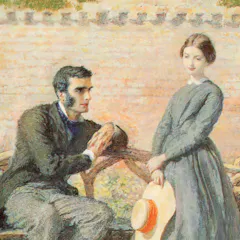
Despite arguments that young children have enjoyed Jane Eyre for 150 years, the Victorians were much more concerned about the novel’s influence than universities are today.
And every one of them has a happy ending.

Stories like ‘Romeo and Juliet,’ ‘Alice’s Adventures in Wonderland’ and ‘Jane Eyre’ are still relevant today.
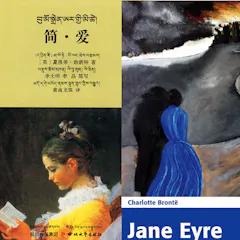
What was a thoroughly English book has become a multilingual, ever-changing global text continually putting down roots in different cultures.
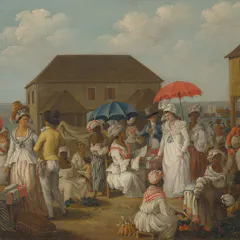
Jean Rhys’s prequel to Jane Eyre explores the monstrous figure of Rochester’s mad wife Bertha, prompting readers to think about the racialised legacies of colonialism.
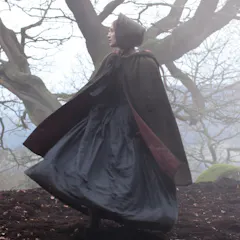
Charlotte Brontë’s heroines - most famously Jane Eyre - struggle with psychologically complex questions. And unlike Jane Austen’s female protagonists, they prize self knowledge and self expression over conventional moralism.
Top contributors
-

Professor of English, University of Sydney
-
Senior Lecturer in English Literature, York St John University
-
Professor of English, Germanic, and Romance languages., University of Copenhagen
-
Professor of English and Comparative Criticism; Tutorial Fellow, St Anne's College, University of Oxford
-
Emeritus Professor of English, La Trobe University
-
Professor of English, University of Richmond
-
Doctoral Candidate, Creative Writing, Australian National University
-
PhD Candidate, Literary Heritage, Nottingham Trent University
-
Lecturer, English Literature (Specialist in Victorian Literature and Alcohol), University of Bristol
-
Associate Professor in Literature & Culture, University of Portsmouth
-
Professor of English, Macalester College
-
Senior Lecturer in English, University of Sydney
-
Research Fellow, English Literature, Queen Mary University of London