
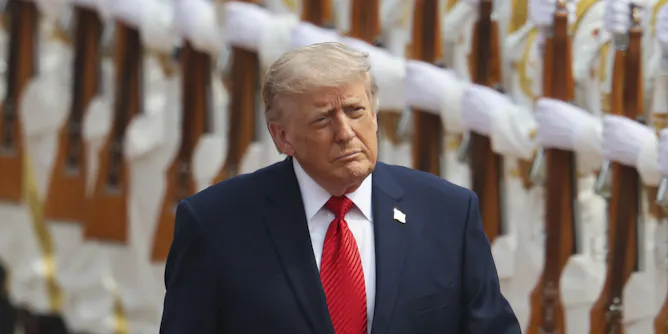
Trump’s net approval is below what any past president since Harry Truman had at this point in their term.
Articles on Iran war
Displaying 41 - 60 of 91 articles
Overseas US military bases are integral to combat operations and can burnish the country’s image to advance its foreign policy goals.

The Iran war is now testing whether the Gulf states that have long recycled their oil revenues into American markets will keep doing so.
Iranian tariffs in the Strait of Hormuz may change how oil is traded and priced, with implications for currencies, alliances and global economic power.

With Air Canada and WestJet cutting routes and raising fares, Canadian travellers face a summer of compressed options and rising costs.
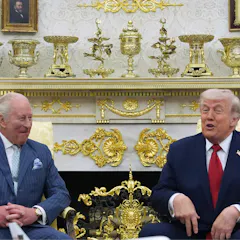
A sultanistic system does not respond to appeals to shared values or long-standing agreements. It responds to leverage, personal relationships with the ruler and transactional incentives.
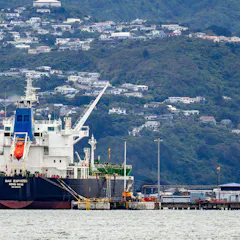
NZ today stands as the only International Energy Agency member whose public oil reserves lie entirely offshore. How can it now rebuild its domestic fuel resilience?
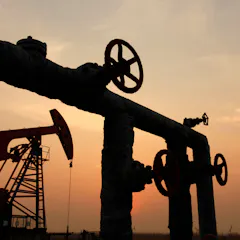
Closing down oil wells can cause long-term damage, which is difficult to reverse.
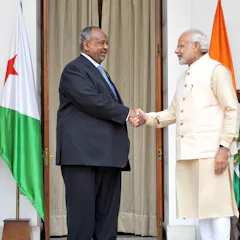
Over the past decade, India has come to see the Horn of Africa as a primary theatre of influence.

A Coalition government would boost Australia’s minimum fuel reserve to 60 days.
Just war theory, developed over centuries, focuses on six criteria for assessing whether a conflict is justified.
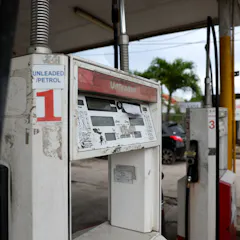
Small Pacific nations run on diesel, and the Middle East crisis is driving some to the brink. What can be done in the short and medium term?

European leaders have refused to join the US’s war in Iran. But they are working together to find a way out of it.

Pyrrhus was said to have remarked that one more victory would leave his kingdom ‘utterly ruined.’ Some see echoes in US interventions in the Middle East.

NATO members have been divided before. But the war in Iran could prove particularly troublesome for an alliance founded at the beginning of the Cold War.
Congress has refused to exercise oversight of the Iran war, with Republicans nixing Democrats’ attempts to exercise legislators’ power over military engagements. That’s nothing new.

Negative portrayals of Muslims shape public attitudes and lead to increased discrimination, often resulting in hate crimes and psychological harm.
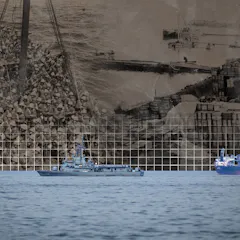
Gallipoli was a hastily launched military campaign over a maritime choke point – and has parallels with the Strait of Hormuz.
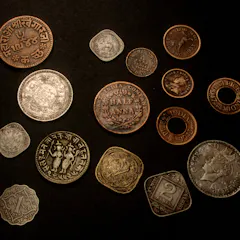
Iran is drawing on a characteristic of money that has been around since at least the bronze age: enabling trade between strangers and across political boundaries.

Satellite television has been a key tool for evangelical churches to reach Christians and potential converts in Iran.
Top contributors
-

Professorial Fellow, University of Canberra
-
Election Analyst (Psephologist) at The Conversation; and Honorary Associate, School of Mathematics and Statistics, The University of Melbourne
-
Assistant Professor of International Relations, American University
-
Associate Professor of Psychology, Kennesaw State University
-
Visiting Adjunct Professor, African Energy Leadership Centre, Wits Business School, University of the Witwatersrand
-
Professor of Political Science, Boise State University
-
Fellow for the Middle East at the Baker Institute, Rice University
-
Professor of Political Science, Kansas State University
-
Professor of Political Science, University at Buffalo
-
Lecturer in Media and Communications, University of Sydney
-
Professor & Director, Jeff Bleich Centre for Democracy and Disruptive Technologies, Flinders University
-
Associate Professor of Journalism, Penn State
-
Senior Lecturer in Urban Planning, University of Auckland, Waipapa Taumata Rau
-
Visiting Lecturer in Economics, Wellesley College
-
Sessional Academic and Researcher in Media and Communications, University of Sydney