
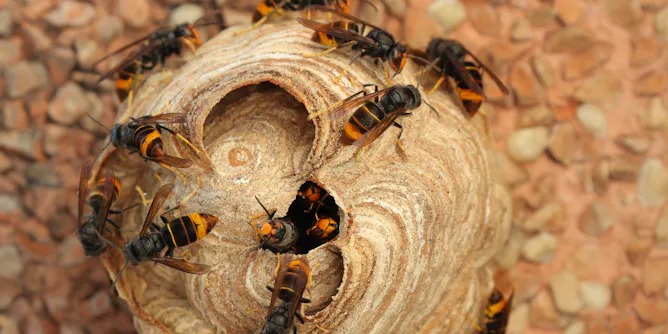
With the help of citizen scientists, South African entomologists can work to keep invasive wasp populations from spreading.
Articles on Invasive species Africa
Displaying all articles
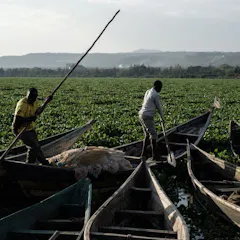
The new report on alien invasive species doesn’t just concentrate on problems. It also offers solutions.
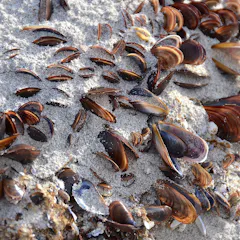
A changing climate will make it difficult to anticipate and prevent invasions.

This year’s unprecedented fall armyworm invasion has laid waste to lawns, athletic fields and crops. Is it a fluke? When will it end?
CC BY-NC-ND10.8 MB (download)
The diverse plant collections in botanical gardens increase the chance of pests and pathogens encountering suitable hosts and becoming invasive.
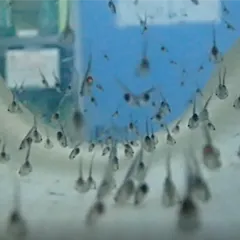
Tadpoles at the edge of the population are no more vulnerable than those at the centre.

A new study examines the diet of an invasive population of guttural toads in Mauritius and finds a number of species of conservation concern.
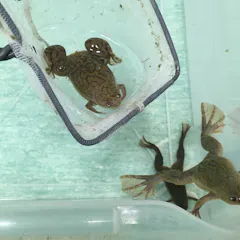
The African clawed frog is a notorious invader but it also takes some parasites with it to new regions.
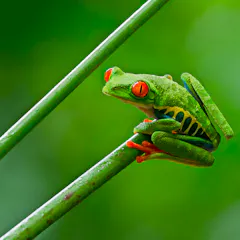
People sometimes release pets into the wild, resulting in biological invasions.
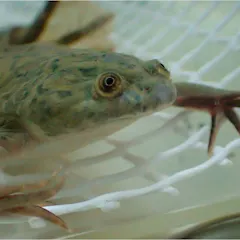
What was particularly interesting about the responses of the tadpoles was that they were similar even through they had very different evolutionary histories with the three species we chose.
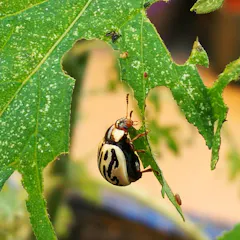
Famine weed spreads rapidly and is devastatingly destructive. Biocontrol is one way of dealing with the problem.
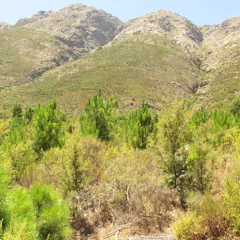
Invasive plants have an impact on native species and unless these factors are properly understood, it is difficult to predict what sort of impact invasive plants will have.
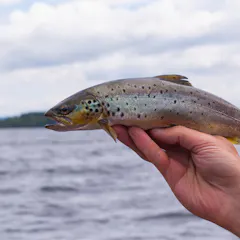
Regulating species in South Africa is difficult. But identifying those creating the greatest tension, would shift focus on the most destructive species.
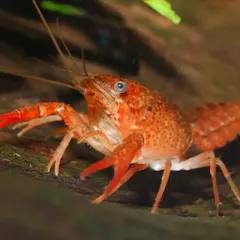
Developing countries have been slow to react to the alien species problem. Its impact can be massively reduced if policies are developed to deal with the issue.
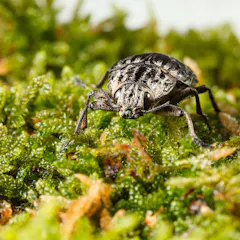
Many alien plants and animals have been introduced to Africa from other regions and spread from country to country, often having devastating effects.
Top contributors
-

Postdoctoral fellow, Stellenbosch University
-
Physiological ecologist at the C·I·B, Stellenbosch University
-
Senior Lecturer Zoology and Entomology, University of Pretoria
-
Assistant Professor Freshwater Ecology, Invasive Species, Bioeconomics, Loyola University Chicago
-
Researcher and core team member Centre for Invasion Biology, Stellenbosch University
-
Postdoctoral research fellow, University of Pretoria
-
Associate Professor Zoology & Entomology, University of Pretoria
-
PhD Candidate Invasive Species Management, University of the Witwatersrand
-
Postdoctoral fellow at the CIB, Stellnbosch University, Stellenbosch University
-
Postdoctoral research fellow, Muséum national d’histoire naturelle (MNHN)
-
Deputy Director of the Centre for Biological Control at Rhodes University and Biological Control and Freshwater Alien Invasive Species Management, South African Institute for Aquatic Biodiversity
-
PhD Candidate: African Amphibian Conservation Research Group, North-West University
-
Postdoctoral Fellow, Centre for Invasion Biology (C·I·B), Department of Botany & Zoology, Stellenbosch University
-
Postdoctoral Fellow Forestry and Agricultural Biotechnology Institute, University of Pretoria
-
Professor of Entomology and Director of the West Tennessee AgResearch and Education Center, University of Tennessee