

The 2008 financial crisis exposed major gaps in central banks’ operations. New features like quantitative easing have since emerged.
Articles on Interest rates
Displaying 381 - 400 of 525 articles

Central banks around the world are struggling with the failure of low (or negative) interest rates to breathe life back into ailing economies.
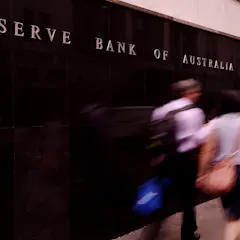
Independent Senator Nick Xenophon wants the RBA to focus on economic growth, and he’s not alone.

The FTSE rebounded after its Brexit shock – but how long will it last?
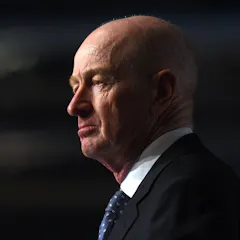
The challenges ahead for Australia include sustaining a stronger growth outlook.

Lower interest rates will only have the stimulatory effect required if they are passed on to borrowers.
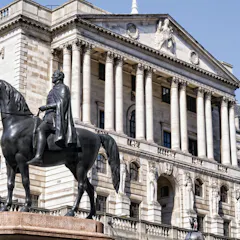
The Bank of England has cut interest rates to a historic low of 0.25% and is injecting further rounds of quantitative easing.
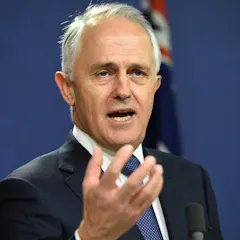
Malcolm Turnbull has announced that the heads of Australia’s big four banks will be grilled annually by the House of Representatives economics committee.

Britain’s central bank governor Mark Carney is like a prize fighter throwing his last, limp punches.
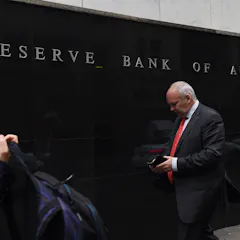
Malcolm Turnbull has sternly told the banks they should pass on the whole of Tuesday’s rate cut - or their chief executives must explain why they are not doing so.

Economists are divided on whether the latest interest rate cut to 1.5% was needed, as the RBA tries to boost inflation and growth.

All economic data is pointing to disappointing global growth.
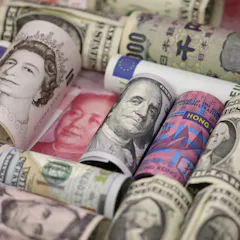
China will not be able to rescue Australia if another crisis hits.
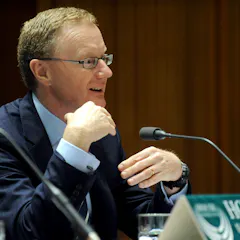
Incoming Reserve Bank governor Philip Lowe will face the challenges of rapid credit and asset prices growth.

The US has held off on raising rates, as the world waits to see which way the Brexit vote will go.

Vital Signs is a weekly economic wrap from UNSW economics professor and Harvard PhD Richard Holden (@profholden). Vital Signs aims to contextualise weekly economic events and cut through the noise of the…

GDP growth that doesn’t translate into income is no cause for celebration.
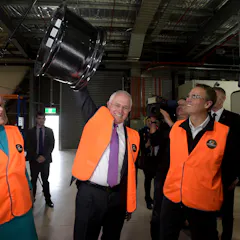
Worse than expected business investment in both manufacturing and mining provides another nod towards secular stagnation.

One of the worst hit countries during the financial crisis has regained economic strength inside a gilded cage – to the extent that it can now step outside, melt it down and re-sell the gold.

There are some good reasons why the RBA should retain its flexibility in managing inflation.
Top contributors
-

Scientia Professor of Economics, UNSW
-
Professorial Fellow, University of Canberra
-
Senior lecturer, Canberra School of Government, University of Canberra
-
Associate Professor, Research School of Economics, and Research Associate, Centre for Applied Macroeconomic Analysis, Australian National University
-
Associate Professor, School of Economics, University of Sydney
-
Professor, Warwick Business School, University of Warwick
-
Associate Professor of Finance, Mississippi State University
-
Lecturer in Economics, Monash University
-
Senior Lecturer in Economics, The Open University
-
Professor of Economics, University of Leeds
-
Professor of Economics, University of Nebraska Omaha
-
Visiting Fellow, Crawford School of Public Policy, Australian National University
-
Head of Department of Economics, Finance & Accounting, Brunel University of London
-
Visiting Faculty in Economics, Emory University
-
Professor of Macroeconomics, University of Sydney