
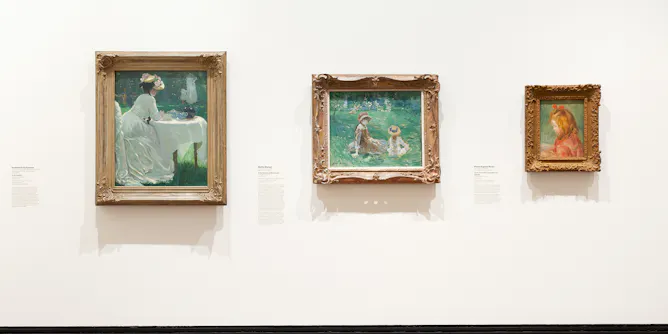
Monet to Matisse: Defying Tradition is at the Art Gallery of South Australia, on tour from the Toledo Museum of Art in Ohio.
Articles on Impressionism
Displaying all articles
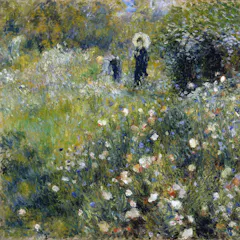
Social change made leisure gardens accessible to all – not just kings and aristocrats – at the same time as ‘the great horticultural movement’.
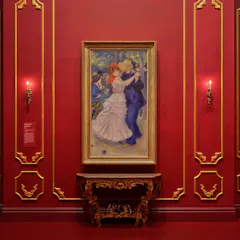
French Impressionism from the Museum of Fine Arts, Boston, at the National Gallery of Victoria, features over a 100 of these pleasant, cheerful and pretty paintings.
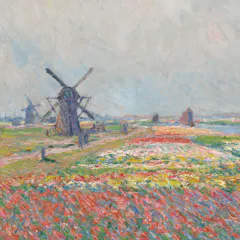
The exhibition is a fascinating reflection of Dutch taste over the past century and a half.
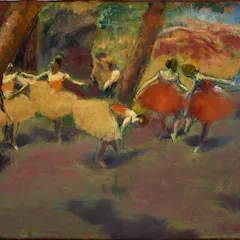
Glasgow shipbuilder Sir William Burrell collected Degas in the painter’s lifetime, demonstrating a keen eye at a time when the impressionists were shocking the public.
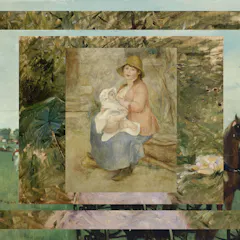
The history of breastfeeding reveals uncomfortable truths about women, work and money.

Why modern science needs more Claude Monets.
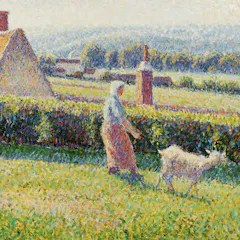
The Museum of Fine Arts, Boston is the 14th largest gallery in the world, and now Melbourne can see some of its masterpieces.

This exhibition will become the definitive show of Australian Impressionism - and it features talented women artists alongside iconic males.
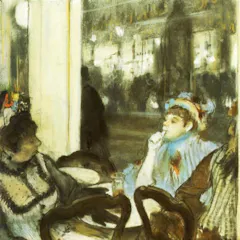
Hyperbole surrounds the Impressionists, who are perennial blockbuster fodder. In truth, they were not a united group of radicals and their subject matter is far darker than commonly acknowledged.
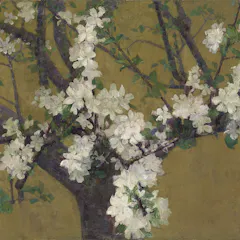
John Russell, who was destined to become an engineer, instead became an artist in fin de siècle France – and a friend of Van Gogh, Monet and Rodin.
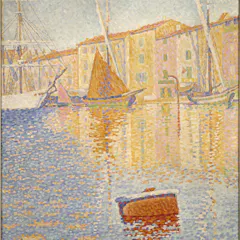
The Impressionists were obsessed with the science of colour, which is celebrated in a new exhibition in Adelaide. At least 50 of the paintings have never previously been exhibited in Australia.

Debussy’s Clair de Lune, meaning ‘moonlight’, is one of the most easily recognised pieces of music, but its origins are complex. The piece was influenced by poetry, Baroque music and the Impressionist movement.
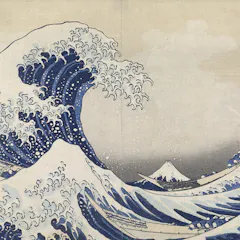
Hokusai’s Great Wave is the enduring image of Japanese art. Less well known is the story of its primary pigment - Prussian blue - which was created in a lab accident in Berlin and sparked ‘blue fever’ in Europe.

It took cutting edge technology and a collaboration between the Australian Synchrotron and the CSIRO to reveal the mysterious hidden lady in Degas’s famous painting.
Top contributors
-

Adjunct Professor of Art History, Australian National University
-
Personal Chair of 19th-Century Art, History of Art, University of Edinburgh
-
Post Doctoral Research Fellow, RMIT University
-
Scientist - X-ray Fluorescence Microscopy, Australian Synchrotron
-
Director of Queensland College of Art, Griffith University
-
Lecturer in Computer Embedded Design, Cardiff Metropolitan University
-
Senior Lecturer in Art and Design, Cardiff Metropolitan University
-
Reader in French Studies, Queen's University Belfast
-
Emerita Professor, Art History and Curatorship, Adelaide University
-
Reader in Human Computer Interaction, Cardiff Metropolitan University
-
Joanna Mendelssohn is a Friend of The Conversation.
Honorary Senior Fellow, School of Culture and Communication, The University of Melbourne
-
Professor of the History of Western Art, University of Glasgow
-
Associate Professor Piano Division, Sydney Conservatorium of Music, University of Sydney