

Globalism has made it easier than ever to visit faraway places – and easier to never really leave home while you’re there.
Articles on Imperialism
Displaying 61 - 76 of 76 articles
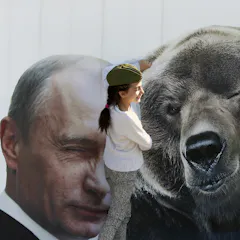
Vladimir Putin’s Russia is as much an imperial power as its Soviet and Tsarist predecessors were.

A long read on how science’s dark imperial past still shapes research today – and what to do about it.
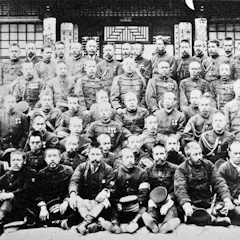
As Japanese imperialism rose and fell, its leaders interpreted and re-interpreted a single distinctive concept: “bushido”.
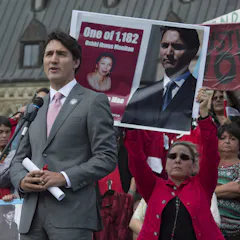
The Indigenous in New Zealand have fared better than First Nations in Canada in terms of self-determination. Why? It’s about a lot more than geography, land mass and language.
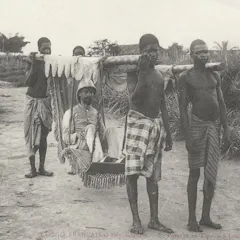
An academic article that asserted the benefits of colonialism caused an outcry and resulted in calls for its removal. A post-colonial expert explains why.

One white educator reflects on the challenges, and the urgency, of tackling white supremacy in schools and on campuses in every country
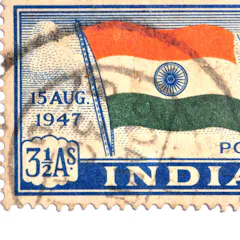
After well over half a century of Independence, the ghosts of colonialism still haunt India’s national psyche.
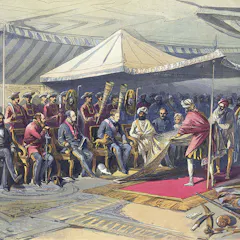
Intellectuals of the time saw the British Empire as the heir to the civilising influence of ancient Rome.
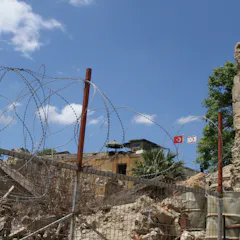
As unity talks begin, history tells us the divisions in Cyprus are not simply the result of two competing nationalisms.

May’s government is evoking arguments made by the early 20th-century tariff reform campaign of Joseph Chamberlain.
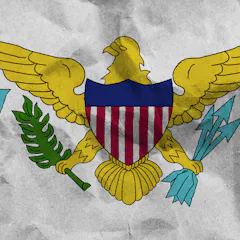
Bought from Denmark for their strategic value, a group of Caribbean islands has lived under the US flag for a century.

Western Cape Premier Helen Zille ‘s Twitter rant about colonialism caused an uproar as it brought back memories of a brutal and violent time in South Africa.
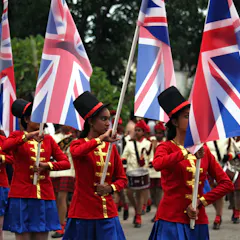
The empire’s formal structures may have been gutted, but its influence lives on.
The protagonist in the novel ‘The Silent Minaret’ gets us to question that powerful political-cultural myth of being tied to nation. That is a remarkable achievement in fiction.
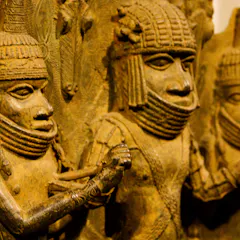
Cultural imperialism and looting were part and parcel of the colonial project. Today, some argue this legacy continues. But in a globalised society, where does borrowing end and appropriation begin?
Top contributors
-

Lecturer in South Asian History, University of Reading
-
Postdoctoral Fellow in International Law, Lund University
-
Lecturer in History, University of Exeter
-
Regents' Professor Emeritus of English, Georgia State University
-
Lecturer in South Asian history, University of Exeter
-
Professor of African Literature, University of the Witwatersrand
-
Adjunct Professor, Stout Research Centre, Victoria University of Wellington and Auckland University of Technology, Professor of Political Science, Charles Sturt University
-
Doctoral Researcher, Faculty of Social Sciences, University of Nottingham
-
Teaching Associate, University of Nottingham
-
Professor of Urban Governance, University of the Witwatersrand
-
Professor of Law, University of California, Irvine
-
Lecturer, Department of Social and Political Sciences, Philosophy, and Anthropology, University of Exeter
-
Lecturer in Criminal and Military law and the Law of Armed Conflict at the Faculty of Military Science, Stellenbosch University
-
Professor of Indian and Colonial History, University of Liverpool; Independent Social Research Foundation
-
Professor of East Asian History, University of York