

Thanks to successful vaccination programs, Australia has just been declared free of rubella. Continued vigilance is important to make sure it doesn’t come back.
Articles on Immunisation
Displaying 61 - 80 of 114 articles
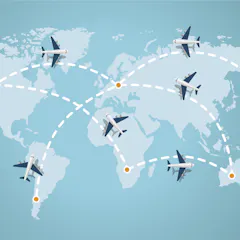
Banning travel might not always be the best way to respond to a disease outbreak.

Illness often strikes when you’re stressed at work, not sleeping properly, or you’ve been out partying a little too much. Here’s why.

International outbreaks of the almost-forgotten disease diphtheria and pockets of low immunisation coverage put Australians at risk of catching the disease.
While not perfect, the seasonal flu vaccine is the best way to protect against influenza. There are a few changes to the flu vaccine and what is available this year. Here’s what you need to know.
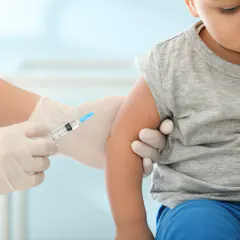
The flu vaccine isn’t perfect but it’s the best way to protect against these potentially harmful viruses. Most children aged six months to five years are eligible for a free vaccine in 2018.
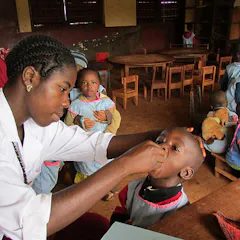
Social media rumours are putting Nigeria’s vaccination campaigns at risk.

Meningococcal is a rare but very serious infection that can lead to blood poisoning and brain infection. But no single vaccine protects against all the strains.
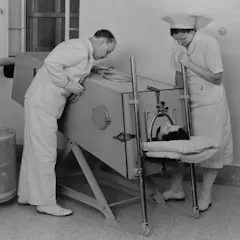
Vaccination is not to be taken for granted.

A new version of the HPV vaccine Gardasil protects against nine types of the virus, and is already being used overseas.

To tackle diseases like meningitis, African governments must find fresh ways to fight for lower cost vaccines.
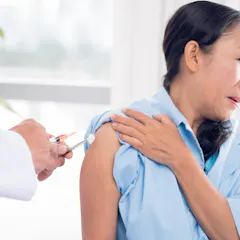
Most immunisation campaigns continue to primarily focus on infants and children, but almost 4 million Australian adults are not vaccinated against preventable diseases.
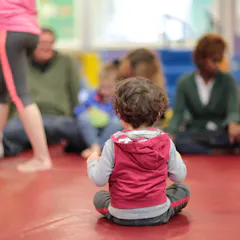
Whilst most parents do vaccinate, health professionals often find it difficult to talk with those who are hesitant or decline. A new resource provides information and communication support.
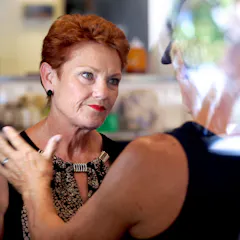
Speaking on the ABC program Insiders, One Nation leader Pauline Hanson suggested there are tests available to see if children will have an adverse reaction to vaccinations. We asked three experts.
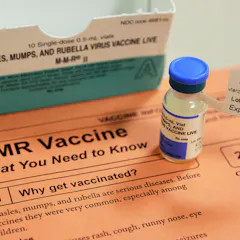
Running an effective mass immunisation campaign, vaccinating children in Nigeria against measles is a logistical nightmare.

Our immune system protects us but when it comes to some mosquito-borne disease, it can work against us. What are the implications for the development of a Zika virus vaccine?
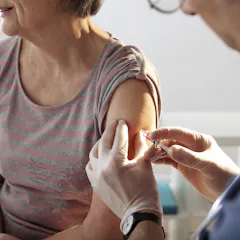
From November 1, the shingles (herpes zoster) vaccine will be available for free to people aged 70 to 79 years. So how and why do you get shingles, and who should be vaccinated?

The Commonwealth government’s “no jab, no pay” legislation is disadvantaging migrant children. Many families are having essential payments withheld despite their children being vaccinated.
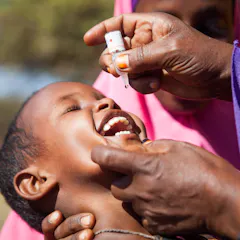
Every year hundreds of thousands of children die from vaccine-preventable diseases. Africa leaders could change this if they improved vaccination efforts.
Overall rates of vaccine objection have remained largely unchanged since 2001.
Top contributors
-

Professor, Discipline of Paediatrics and Child Health, University of Sydney
-
Professor, The Children's Hospital at Westmead Clinical School and Sydney Infectious Diseases Institute, University of Sydney
-
Extraordinary Professor, Global Health, Stellenbosch University; South African Medical Research Council
-
Paediatrician and Infectious Diseases Specialist; Clinical Researcher, University of Sydney
-
Professor, School of Public Health, University of Sydney
-
Professor of Paediatrics and vaccinologist, Royal Childrens Hospital, University of Melbourne and Murdoch Childrens Research Institute (MCRI); Associate Dean International, University of Melbourne, Murdoch Children's Research Institute
-
Paediatrician, Infectious Diseases Physician and Clinical Microbiologist, The Kids Research Institute Australia, The University of Western Australia
-
Program Director, Health and Aged Care, Grattan Institute
-
Professor of Global Biosecurity, NHMRC L3 Research Fellow, Head, Biosecurity Program, Kirby Institute, UNSW
-
Fellow, Nigerian Academy of Science
-
Associate Professor in Paediatrics, University of Auckland, Waipapa Taumata Rau
-
Paediatrician and Clinical Senior Lecturer, Children's Hospital Westmead Clinical School, University of Sydney
-
Professor of Infectious Diseases, Monash University
-
Senior researcher, University of Antwerp
-
Associate Principal Research Fellow, Burnet Institute