

The Trump administration claims that judges’ orders in the cases of immigrants deported to a prison in El Salvador intrude on the president’s right to conduct foreign policy.
Articles on Immigration law
Displaying 21 - 40 of 88 articles

Philadelphia’s sanctuary policy remains in place, for now, as Trump vows to terminate federal grants to sanctuary cities.
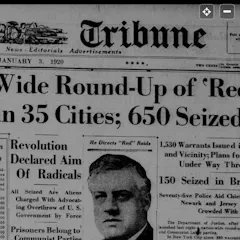
An immigration historian says removal orders targeting student activists echo America’s long past of jailing and expelling immigrants because of their race, what they say or believe – or all three.
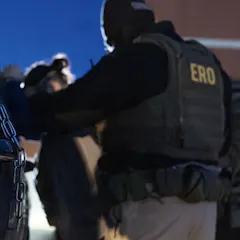
The 1952 Immigration and Nationality Act gives ICE broad power, including the right to arrest many noncitizens. The extent of this power is now being tested.
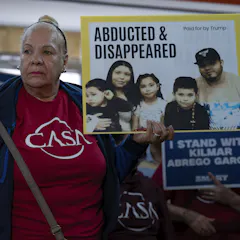
The high court ordered the Trump administration to facilitate the return of a Maryland man, Kilmar Abrego García, to the United States.

Can both sides legitimately say they won a Supreme Court victory?

Many gang members have tattoos to demonstrate their allegiance. But many people with no gang ties will get inked with similar imagery, which can lead law enforcement astray.
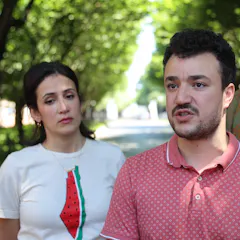
Lawful permanent residents hold many of the same rights that US citizens have, but the government can deport them on certain, often vague, security grounds.

John Adams signed the Sedition Act in an attempt to silence dissent. Some other Founding Fathers thought that muzzling the press would mean the end of the republic.
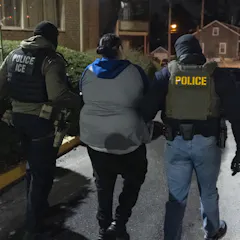
Immigrants who fear deportation might have their kids miss school, or skip a doctor’s appointment. This fear can affect people who are legally in the US.
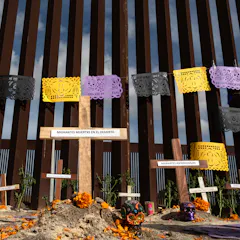
Drowning, blunt force trauma and exposure to extreme weather are among the risks that migrants face making the dangerous journey across the US-Mexico border.
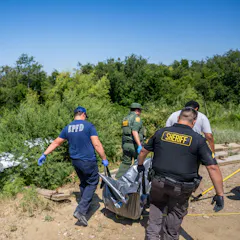
Enforcing immigration law at the border is the federal government’s role. But in Texas, that job has increasingly been taken on by the state. That shift may be key to Donald Trump’s border plans.

Activists are calling on city officials to bolster Philly’s sanctuary city policies, as they fear retaliation from the incoming Trump administration.

The Alien Enemies Act, first approved in the late 1700s, was last used during World War II to identify particular foreign nationals living in the US.
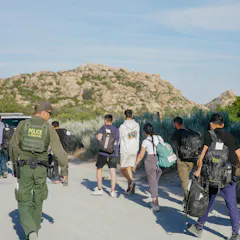
Trump focused on illegal immigration in his campaign and pledged to make a range of sweeping changes – some of which his administration could do without congressional approval.
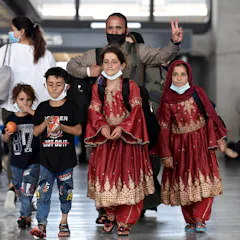
While the US admitted about 70,000 Afghans into the country on an emergency basis in 2021, the measure is temporary, and these people remain in legal limbo.

The federal government needs to recognize and address the structural problems of the current migration system that lead to migrants living and working in Canada without authorized immigration status.

May 2024 marks the 100th anniversary of the Immigration Act of 1924, which sharply cut the number of people allowed into the US.

The bill, which aims to force people to cooperate in their own deportation, was subject to an inquiry. The government wants to proceed with the bill unchanged, despite widespread community concerns.

Placing migrants who are not criminals in prisons risks serious violations of their human rights and perpetuates narratives about the criminality of immigrants.
Top contributors
-

Clinical Associate Professor of Law, Co-Director, USC Immigration Clinic, University of Southern California
-
Professor and Director, Kaldor Centre for International Refugee Law, UNSW Law & Justice, UNSW
-
Professor of Law and Director of the Center for Professional Ethics, Case Western Reserve University
-
Professor of Public Interest Law and Chicana/o Studies, University of California, Davis
-
Associate Professor of Social Studies Education, College of Charleston
-
Joseph D. Jamail Chair in Latin American Studies & Baker Institute Political Science Fellow, Rice University
-
Professor of Law and Director of the Center for Intellectual Property Law, Hofstra University
-
Professor of Law, University of Bristol
-
Associate Professor of Law, Temple University
-
Professor in Human Rights and International Law, University of Newcastle
-
Samuel Weiss Faculty Scholar and Founding Director, Center for Immigrants' Rights Clinic, Penn State
-
Associate Professor of Gender and Women's Studies, University of Maryland, Baltimore County
-
Senior Lecturer in History, La Trobe University
-
Senior Lecturer in Human Geography, Northumbria University, Newcastle
-
Professor of Religious Studies, College of the Holy Cross