

Could new tests shorten the long road to an endometriosis diagnosis? The promise is compelling, but the evidence is not there yet.
Articles on Imaging
Displaying 1 - 20 of 31 articles
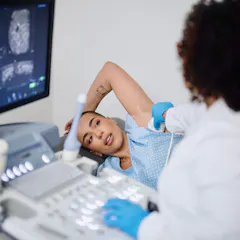
Ultrasound is often used in breast cancer screening, but it can often provide inconclusive results. Combining it with near-infrared light can help patients avoid the anxiety and cost of a biopsy.

Advances in imaging, text recognition and machine learning are transforming what can be done with collections of plants and fungi in herbaria and museums globally.
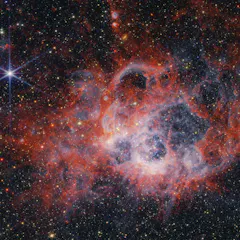
The James Webb Space Telescope has 2 powerful instruments that see light the human eye can’t.
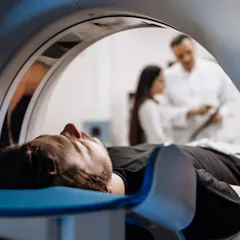
Over the past 20 years or so, big companies have been buying smaller clinics once owned by radiologists. Here’s how that can be a problem.

Seeing through mouse skin is one thing, disappearing humans is something else entirely.
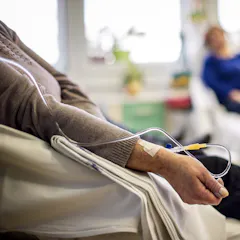
Treatment for lung cancer patients is the same for everyone, regardless of the risk of recurrence. The use of a new technology could refine diagnosis.
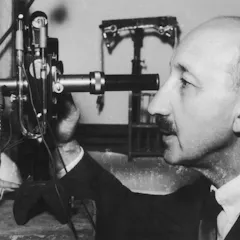
Some Nobel Prize-winning ideas originate in strange places, but still go on to revolutionize the scientific field. George de Hevesy’s research on radioactive tracers is one such example.

An understanding of bird biology is the starting point for conservation efforts. 3-D reconstructions of biological structures greatly add to this understanding.
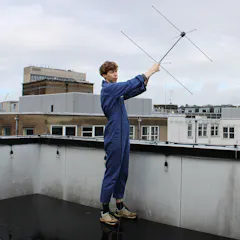
With an antenna, a laptop and some software, you can take a picture of Earth from space.
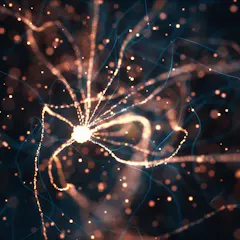
Understanding when and how neurons die is an important part of research on neurodegenerative diseases like Lou Gehrig’s, Alzheimer’s and Parkinson’s diseases.

What did Mercury look like as BepiColombo swung by?
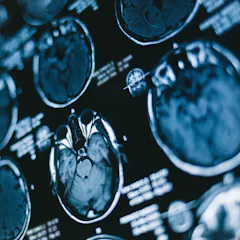
A new tool for seeing hotspots in the brain could help doctors detect neurological disorders.

Australia’s only sea lion species is endangered and continues to decline. A new non-invasive monitoring technique could help to identify the causes and better inform conservation strategies.

Whether at a family gathering or in a research lab, getting access to images immediately was a game-changer. And Land’s innovations went far beyond the instant photo.
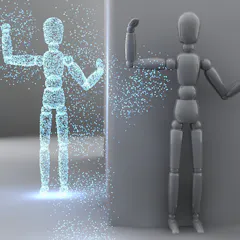
Single-pixel cameras, multi-sensor imaging and quantum technologies will change the way we take photos.
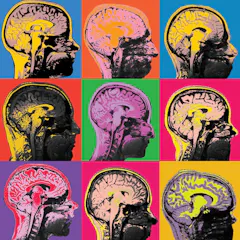
Take a look at some of the amazing neuroscience images out of the Queensland Brain Institute this year.
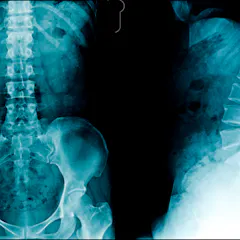
Reducing health-care waste relating to unnecessary tests has been a major priority for researchers, governments and health services for decades. But how do we change the behaviour of doctors?

Infrared cameras are the technology of choice for detecting gas leaks across the US. New research shows that these cameras can be quite inaccurate, and leaks can persist without being detected.
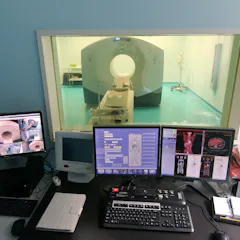
Pairing more powerful computers with increasingly sensitive scanners can yield many benefits in medicine and other fields.
Top contributors
-

Assistant Professor, The University of Texas at Austin
-
Research Fellow in Dermatology, Harvard University
-
Science Writer, Queensland Brain Institute, The University of Queensland
-
Visiting Professor in Advanced Computer Studies, University of Maryland
-
Director of Health Programs, BehaviourWorks Australia; Lead, Monash-McMaster Social Systems Evidence Collaboration, Monash Sustainable Development Institute, Monash University
-
Postdoctoral Research Fellow, The University of Queensland
-
Professor of Public Health, Bond University
-
Postdoctoral Researcher, The University of Queensland
-
Professor of Quantum Technologies, University of Glasgow
-
PhD Student, The University of Queensland
-
Professor of Clinical Epidemiology, Bond University
-
Professor of Chemistry, Connecticut College
-
Head of School of Engineering and Physical Sciences, Heriot-Watt University
-
Professor of Physical Chemistry, University of Oxford
-
Distinguished Professor of Optometry, Indiana University