
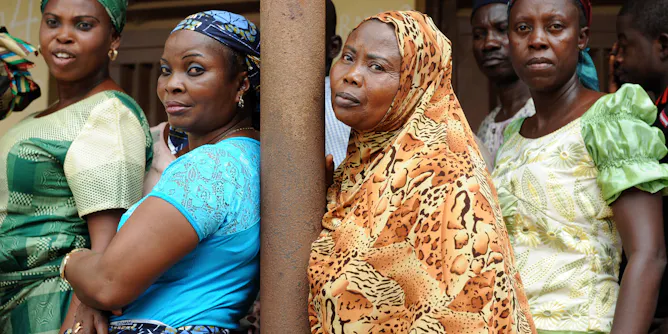
Unequal access to contraception poses risks to reproductive-age women, families and Nigeria’s development.
Articles on Illiteracy
Displaying 1 - 20 of 21 articles

A pilot programme in 15 schools demonstrates how targeted, structured interventions can rapidly close foundational literacy gaps.

Reading isn’t natural for humans – but storytelling is. Using decades of data, my new research highlights the role of parents in encouraging a love of books long before children start school.
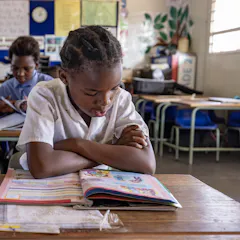
While teachers were employing the right strategies, they were not giving targeted attention to the non-readers in their classes.
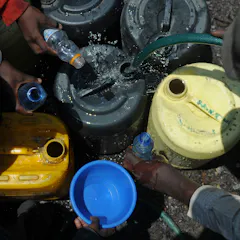
Nigeria is prone to a variety of factors that lead to recurring cholera outbreaks.

Low levels of literacy cost the US more than $2 trillion every year.
For many educators, structured literacy is a step in the right direction to improving New Zealand’s falling literacy rates. But educators need to remain adaptable as the science of reading evolves.
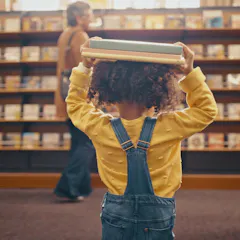
Political will is key to tackling pupils’ literacy struggles.

These interventions have the potential to boost South African children’s literacy.
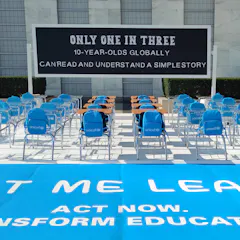
At the Learning Planet Institute, an initiative launched with UNESCO, we’ve seen many programs that foster the ability and motivation to learn, act and lead for a better world.

Nigeria’s 23rd year of unbroken democratic rule will be celebrated on 12 June 2022.

Low literacy levels are a common contributing factor in Australia’s homeless population. We asked people who have experienced homelessness how poor literacy affected their lives – and what would help.
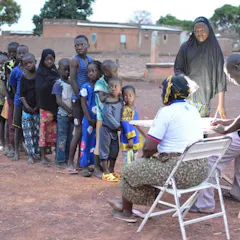
Malaria is prevalent in developing countries. Epigenetics may be the key to finding its Achilles heel.
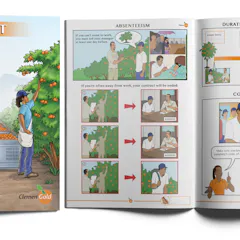
Comic contracts can meet all the requirements for contracts to be legally binding.
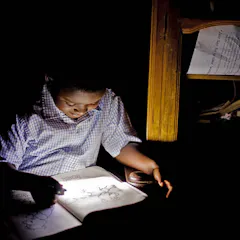
Initiatives to tackle South Africa’s reading crisis must take the country’s realities into account.

Victims of ATM fraud in Nigeria are often shocked to find out that their defrauders are close family friends or relatives.
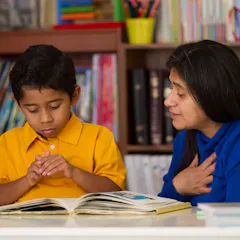
Students from non-English speaking backgrounds learn differently depending on the types and number of languages they speak and are literate in.
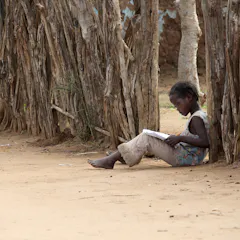
Textbooks have been at the centre of two major South African court cases. They may not be a magical cure for all the country’s education ills, but research shows they are a critical part of learning.
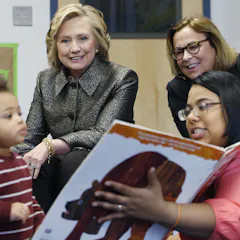
This research suggests that there is one simple way to equip your children for a life of literacy from their infancy: show them picture books.
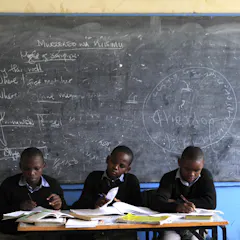
If Malawian children do not learn basic skills like reading, will this harm them in the long term? Recent evidence suggests the answer is yes – at least in terms of their health.
Top contributors
-

Senior Lecturer in Education, Australian Catholic University
-
Professor in the Institute for Life Course Health Research, Department of Global Health, Stellenbosch University
-
Associate Professor of Commercial Law, University of Cape Town
-
Professor in the School of Psychology and Clinical Language Sciences, University of Reading
-
Dean's Professor of Sociology and Professor of Spatial Sciences, USC Dornsife College of Letters, Arts and Sciences
-
Professor of Sociology (Criminology, Victimology and Security Studies), University of Ibadan
-
Professor, Department of Anthropology, University of Delaware
-
Professor in the School of Psychology and Clinical Language Sciences, University of Reading
-
PhD Candidate, University of Pretoria
-
Associate Professor, Migration and Education, Australian National University
-
Président (Chief Exploration Officer), Learning Planet Institute (LPI)
-
Professional Learning and Development Facilitator in Literacy Education, Te Kunenga ki Pūrehuroa – Massey University
-
Científica titular. Líder de grupo de investigación de epigenómica en malaria, Instituto de Parasitología y Biomedicina López-Neyra (IPBLN-CSIC)
-
Associate Professor (Language and Literacy in Education), University of Cape Town
-
Professor of Reading and Children’s Development, The Open University