
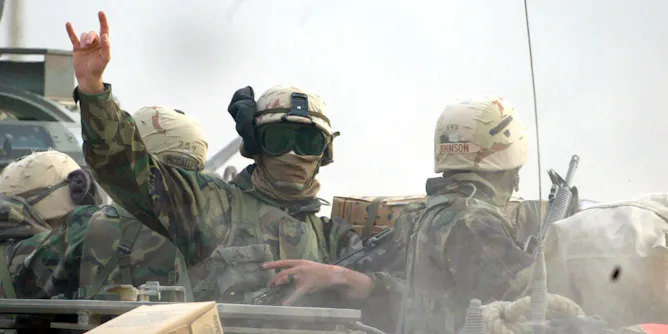
More than 20 years after the US military success in Iraq, the outcome of the US effort at regime change wasn’t as expected, and authoritarians with close ties to Iran now rule the country.
Articles on IAEA
Displaying 1 - 20 of 23 articles
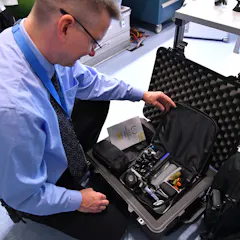
A nuclear engineer explains how the International Atomic Energy Agency monitors peaceful nuclear programs, and why it’s worrisome that Iran stopped cooperating with the IAEA.

In the majority of cases, diplomacy has played a pivotal role in convincing nuclear-seeking nations to relinquish their pursuit of nuclear weapons.
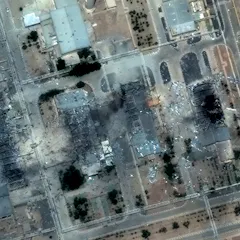
The US and Israel bombing campaigns may only delay an Iranian bomb by a few years. Could this signal the death of the nuclear non-proliferation treaty?

Donald Trump’s decisions are often hard to predict. Some people argue that is exactly what he wants.

Strikes on nuclear facilities in Iran may increase Tehran’s belief that attaining nuclear weapons is key to establishing a deterrence to regime change.
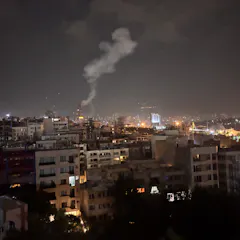
Multiple nuclear and military facilities were targeted in an Israeli strike, which took place days before US and Iran were due to conduct a sixth round of nuclear talks.
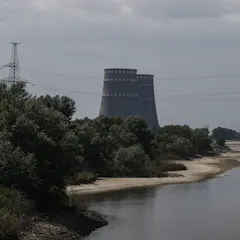
Several recent drones attacks on the site, which Russia captured in March 2022, highlight the potential for a major accident.

A nuclear nonproliferation expert explains why Iran was always unlikely to return to the 2015 international agreement that limited its nuclear weapon development.
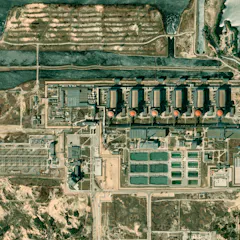
Plans to create a safe zone around the massive nuclear power plant in Zaporizhzhia require Russian agreement, which so far looks unlikely.
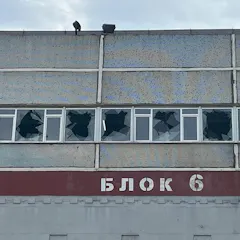
Artillery shelling, stressed-out technicians and power supply disruptions increase the chances of catastrophe at the Zaporizhzhia nuclear power plant, Europe’s largest.
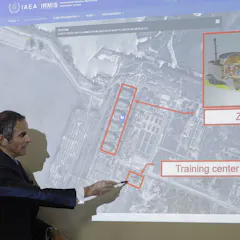
The world held its collective breath as Russian troops battled Ukrainian forces at the Zaporizhzhia nuclear power plant. The battle is over and no radiation escaped, but the danger is far from over.
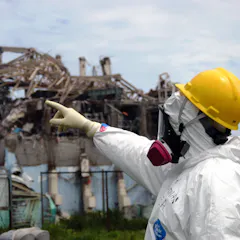
On the 10th anniversary of the Fukushima nuclear disaster, two experts explain why human choices are more important to nuclear safety than technology, and why the job is far from finished.
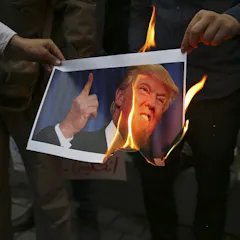
Does the work of the international agency responsible for verifying whether Iran was in compliance with the deal matter to the US?
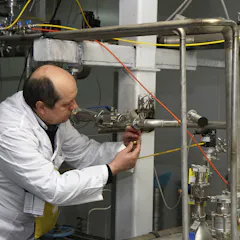
Who do you call when there’s a nuclear crisis? The International Atomic Energy Agency, unless the crisis involves North Korea – then things get complicated.

The meltdown at the Chernobyl Nuclear Power Plant in 1986 exposed 572 million people to radiation. No other nuclear accident holds a candle to that level of public health impact.
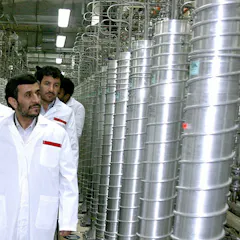
How can the international community be sure Iran is living up to its end of the new nuclear deal?

The merest hint of a successful deal over Iran’s nuclear programme is enough to get people excited. And as the country emerges from economic isolation, nowhere is the enthusiasm more keenly felt than in…
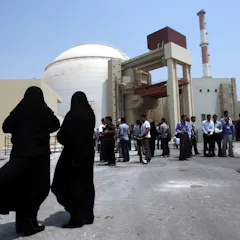
Iran’s path back to nuclear acceptability is now set out. Let the real work begin.

When we agree to send our young men and women to war, we expect the reasons why to be made clear. At least some of us will want to subject that explanation to scrutiny at the time, and often even more…
Top contributors
-

Professor of Engineering and International Relations, University of Southern California
-
Lecturer in International Studies, University of Washington
-
Senior Lecturer in International Relations, University of Pennsylvania
-
Research and Knowledge Transfer Manager, Department of War Studies and the Centre for Science and Security Studies, King's College London
-
Professor of International Security & Director of the Queen's Institute for Peace, Security and Justice, Queen's University Belfast
-
Professor of International Relations, Munk School of Global Affairs & Public Policy, University of Toronto; USC Dornsife College of Letters, Arts and Sciences
-
Professor of International Politics, University of Leicester
-
Professor of Non-Proliferation & International Security, King's College London
-
Professor Emeritus, University of Tokyo
-
Associate Professor of Practice of Public Policy, University of Michigan
-
Professor of International Relations, Royal Holloway, University of London
-
Professor of Environmental Politics & International Relations, UNSW
-
Professor of Government and International Affairs, Kennesaw State University
-
Postdoctoral Fellow, Belfer Center for Science and International Affairs, John F. Kennedy School of Government, Harvard University
-
Professor of Nuclear and Radiological Engineering, Georgia Institute of Technology