
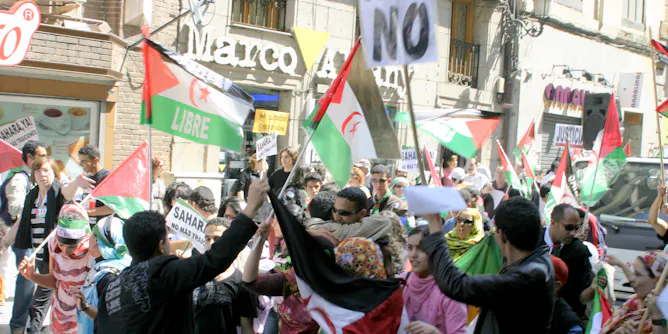
The wall in Western Sahara marks the practical frontline of a conflict most of the world has stopped watching.
Articles on Human Rights Watch
Displaying all articles

Human Rights Watch has sounded the alarm over Australian children’s images found in a huge data set used to train AI models. It could be a breach of our privacy law.
Israelis are justifiably opposing reforms to the country’s judicial system that would erode their human rights. But what about the human rights of Palestinians?
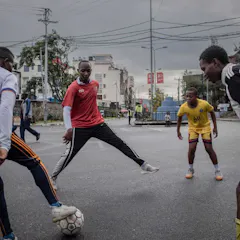
Football provides a way for unpopular elites to build political capital – but also creates space for citizens to voice dissent.

The fast-growing educational technology industry is poorly regulated and profits from user data. Australian law, education departments and schools can all do more to improve safeguards for children.
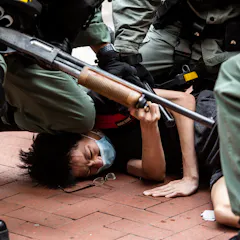
All of the 39 countries human rights experts tracked in 2020 experienced a decline in human rights. It’s not yet clear whether countries will quickly bounce back as the pandemic eases.

A new report has found students and academics critical of China’s Communist Party are being harassed and intimidated by supporters of Beijing. Universities must do more to protect academic freedom.
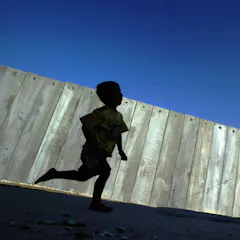
Human Rights Watch says Israeli action amounts apartheid in certain areas. But what does that really mean?
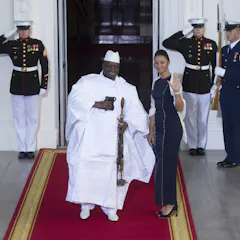
At least in the short term, it looks unlikely that Jammeh will face either his victims or consequences for human rights abuses

Natural resources are an important factor in explaining why some rebel groups forcibly recruit children into their ranks.
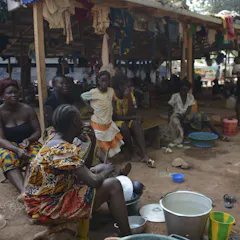
The volatile conditions in the Central African Republic make the administration of justice difficult.

Political ethics and sports don’t match well. The recent deal between Rwanda and Arsenal is potentially a case in point.
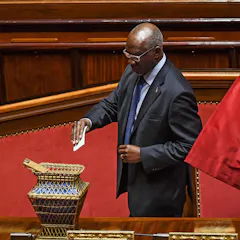
Italy’s first black senator, and the party he represents, won’t be advancing the fight against xenophobia.
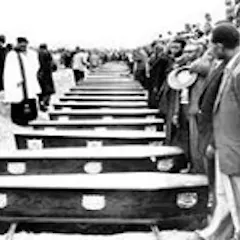
Besides a reminder of a dark period in South Africa’s history, Human Rights Day also celebrates the country’s unique, highly acclaimed constitution which guarantees human dignity and equal rights.
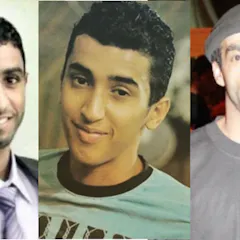
State killings are the latest demonstration of the country’s regression.
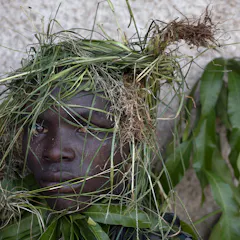
The prospects for reconciliation are bleak. Formal gestures by the government to nudge the opposition parties to join an intra-Burundi dialogue have consistently failed.

In 1981, many criticized Ronald Reagan’s nominee to head human rights initiatives in the State Department. Here is how activists mobilized to ensure the nomination was rejected.
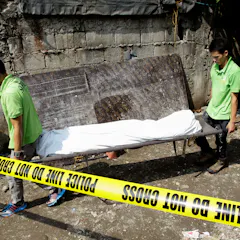
The Philippines is seeing a surge of extrajudicial killings of suspected criminals and drug users since Rodrigo Duterte assumed office last month.

Machines that can target and kill people without human intervention or accountability pose a moral threat to the world.
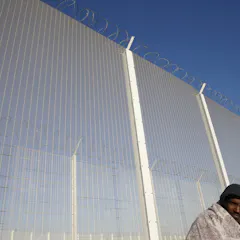
The European obsession with labeling people either economic migrants or refugees hampers understanding of the problems they face. Adding the role remittances play to the debate would help.
Top contributors
-

Professor of Law and Politics, Institute of Development Policy and Management (IOB), University of Antwerp
-
Adjunct Professor, Roosevelt Public Policy Institute at Hunter College, City University of New York
-
Emeritus professor of Political Science, University of Florida
-
Researcher in the Department of International Development, University of Oxford
-
Lecturer and Senior Research Fellow at the South African Research Chair in International Law (SARCIL), University of Johannesburg
-
Associate Professor: Department of Systematic Theology and Ecclesiology, head of the Unit for Moral Leadership, Stellenbosch University
-
Lecturer on Law and Associate Director of Armed Conflict and Civilian Protection, International Human Rights Clinic, Harvard Law School, Harvard University
-
Professor, American University School of International Service
-
Head of Research Programme, Council for the Development of Social Science Research in Africa
-
Research Fellow, Institute of Arab and Islamic Studies, University of Exeter
-
Professor in International Development, University of Antwerp
-
Associate Professor of Political Science, University of Missouri-St. Louis
-
Associate Professor Digital Technologies for Learning | ARC DECRA Fellow, University of Wollongong
-
Senior Lecturer in International Politics, City St George's, University of London
-
Senior Fellow, Graduate School of Public and International Affairs and Adjunct Professor, International Human Rights Law, University of Ottawa, L’Université d’Ottawa/University of Ottawa