
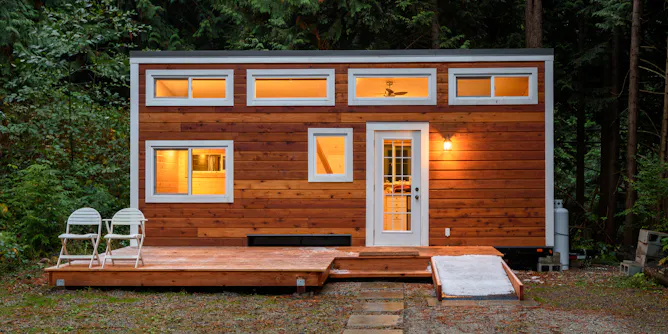
Relaxing restrictions on small and non-traditional houses can help to increase the supply of affordable rental housing.
Articles on Housing costs
Displaying 21 - 40 of 45 articles
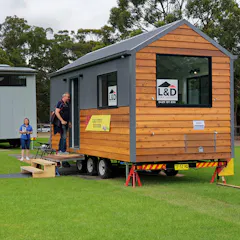
The proportion of people actually living in tiny houses hasn’t been increasing but the movement has prompted debate about living smaller and more sustainably.
The inner suburbs are home to large numbers of workers in jobs vulnerable to the pandemic. If they’re forced to seek cheaper housing in outer suburbs, the urban divide will widen.
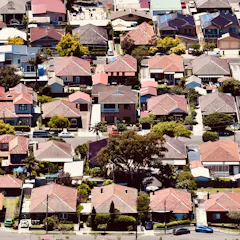
The imperative to keep a roof over our head keeps us wedded to economic growth. If we want to halt climate change, we need another way
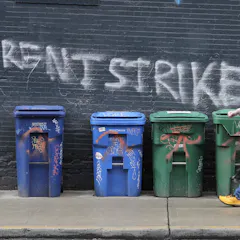
Even as Americans are all told to remain at home, millions are now unemployed and must scramble to figure out how to pay for that home.

More older Australians are carrying housing debt later in life, or not owning homes at all, but lack suitable alternatives to the family home. The result is lower incomes in retirement.

The difficulties for people facing housing disadvantage don’t end as soon as their situation improves. They are at higher risk of poorer mental health years or even decades later.
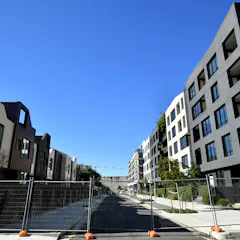
Hundreds of thousands of Australians are forced into inadequate or unhealthy housing by high housing costs.

The New Zealand government has set targets for reducing child poverty, but with hundreds of thousands of children living in poverty, this goal remains a challenge.
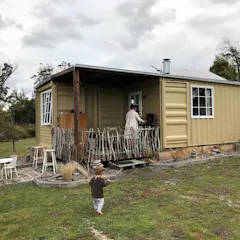
Tiny houses aren’t for everyone, but most people who live in them are positive about the experience. Yet planning laws still make this way of life harder and less secure than it could be.
The Productivity Commission neglected the impact of housing costs. After allowing for these costs, the top 10% of households’ average disposable income grew at 2.7 times the rate of the bottom 10%.

The administration’s proposed changes to a decades-old housing program supporting the poorest Americans would jack up rents and deepen poverty in the US.
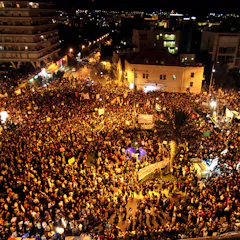
The events of summer 2011 proved that Israel incubates the same sort of socio-economic discontent that upended the wider Middle East.
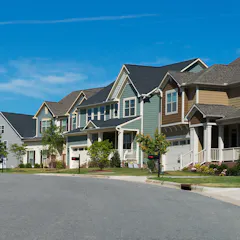
Rather than tinkering with the deduction, Republicans should get rid of it altogether and replace it with something that would actually help more Americans afford a home.
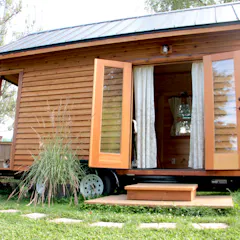
New research has found a marked increase in people, particularly among women over 50, who are building or want to build a tiny house. However, inflexible planning rules often stand in their way.

Retirees are often urged to downsize to free up suburban properties for the next generation and for higher-density development. What’s being ignored is the costs of moving into a unit or apartment.
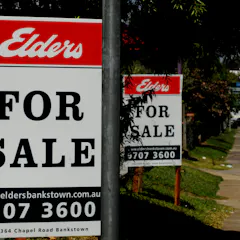
The housing market is too volatile to look at prices alone. If you want to understand the housing market you need to look at the wider economy.

Even though they don’t consistently have a roof over their heads, the homeless do their best to create a routine, form communities and make a home – just like the rest of society.

Older Australians are keenly aware of the housing challenges they face, but most are wary of co-housing due to the negative associations of shared living spaces.
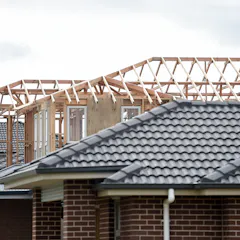
People are taking on larger future risks and costs just so they can buy a house. Increases in new home owners are seen as a positive development, but what if they can’t afford the ongoing costs?
Top contributors
-

Lecturer in GIS and Planning, Griffith University
-
Professor of Housing Research, Adelaide University
-
Professor of Housing & Social Policy, HHAUS Housing, Homelessness & Urban Studies, Swinburne University of Technology
-
Professor of Urban Management & Planning, Griffith University
-
Professor of Social Epidemiology and Director of the Centre of Research Excellence in Healthy Housing at the Melbourne School of Population and Global Health, The University of Melbourne
-
John Curtin Distinguished Professor, Curtin Business School, Curtin University
-
Emeritus Professor of Urban Policy, The New School
-
Adjunct associate, Swinburne University of Technology
-
John Curtin Distinguished Professor, Curtin University
-
Honorary Research Fellow, School of Social and Cultural Studies, The University of Western Australia
-
Emeritus Professor, Urban Planning and Policy, University of Sydney
-
PhD Candidate, School of Social Sciences, University of Tasmania, and Senior Research Consultant, Institute for Sustainable Futures, University of Technology Sydney
-
Associate Professor in Architecture, Adelaide University
-
Professor of English, University of Virginia
-
Research Principal, Institute for Sustainable Futures, University of Technology Sydney