
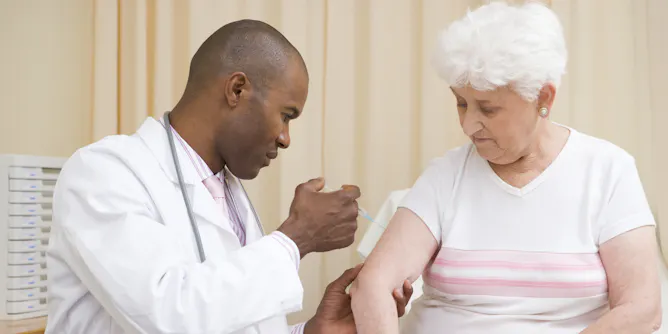
A recent study found that 30 per cent of Canadian health care is unnecessary. Here are five recommendations to avoid pointless health care – for doctors and patients.
Articles on Hospitals
Displaying 201 - 220 of 317 articles
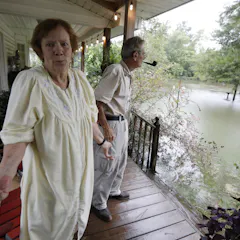
Evacuations and disruptions to health care during and after disasters like Hurricane Harvey are serious threats for older adults, who may need support well after relief operations end.
New research shows that older people are especially at risk during and after natural disasters, and may need medical help or other support well after relief operations end.
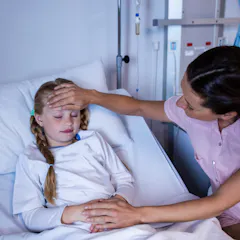
Why do a higher proportion of children in England end up on wards after being checked into emergency departments?

Nearly one-fifth of US GDP is spent on health care. Where does all of that money go?
Australians can’t tell which private hospital is safer then the next because the data isn’t publicly available. It’s time that changed.

What would you prefer: spleen diet, fish custard, or a modern prison meal?

The poor quality of hand sanitisers in Kenya poses a health concern. If this market remains unregulated these products might encourage the undetected transmission of infectious pathogens in hospitals.

Children’s opinions about their own care are often not sought by parents and healthcare professionals.
Lack of knowledge and perceived cost issues could be holding back the fight against the superbugs.
New research shows that the current strategy of ‘antibiotic mixing’ doesn’t work.

Complex systems, from TV shows to hospitals, have plenty of checks and procedures, so why do things still go wrong?

Most of our hospitals were not designed to cope with the health impacts of future extreme weather. And hospital infrastructure has not been adapted to secure health care during such events.

Seventeen years ago, the Department of Health berated the NHS for not learning lessons about patient safety. What’s changed?

Headlines pointed to the privatisation of hospital, end-of-life and dental services, but the Productivity Commission’s report is actually a lot less radical.
Junior doctors are often blamed when things go wrong in hospital. But are we placing too many demands on them?

Almost half of all needle sticks in a hospital may be unnecessary, a recent study shows. There’s a way to be done with one, thus avoiding the pain of extra sticks.
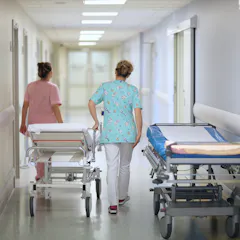
Nurses and midwives are among society’s most highly valued professionals. But a disturbing national picture is emerging of escalating levels of over-work and burnout.

The sustainability of academic medical centers and the value of a liberal education have both been under attack. Both are essential and integrated components of our best U.S. institutions.

Highly engaged doctors do much better on a wide range of important measures, from clinical performance, financial management and safety indicators to patient experience and overall quality standards.
Top contributors
-

Honorary Enterprise Professor, School of Population and Global Health, and Department of General Practice and Primary Care, The University of Melbourne
-
Program Director, Health and Aged Care, Grattan Institute
-
Professorial Fellow, University of Canberra
-
State Policy Director, Farley Health Policy Center; Associate Professor of Family Medicine, University of Colorado Anschutz
-
Professor, Public Service Research, UNSW
-
Emeritus Professor, Menzies Centre for Health Policy, University of Sydney
-
Honorary Senior Fellow in Health Service Research, University of Birmingham
-
Emeritus Professor, School of Public Health, Queensland University of Technology
-
Professor of Medicine, Monash University
-
Policy Head, Research Assets, Sax Institute; Co-Director, Australian Primary Health Care Research Institute, Australian National University
-
Chair of Health Services Research, University of Southampton
-
Assistant Professor of Nursing, University of Michigan
-
Associate professor, University of Newcastle
-
Reader in Health Economics, Centre for Health Economics, University of York
-
Professor of Health and Social Care, University of Birmingham