
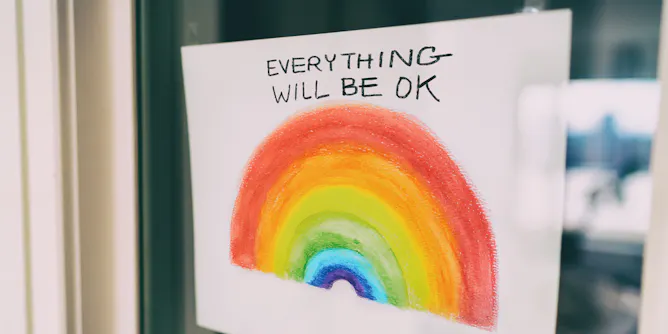
After what feels like a never-ending 18 months of lockdowns and COVID-19 saturated government messages, we’re all just a bit over it.
Articles on Health communication
Displaying 21 - 40 of 46 articles
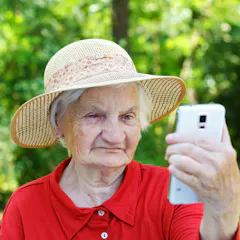
Our research shows we are still missing clear and consistent communication about COVID vaccines all Australians can understand and act on.

When a crisis like COVID-19 disrupts expectations for the future, it also disrupts how health messaging works. Advertising research shows three ways that health campaigns can succeed in a crisis.
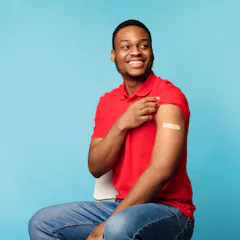
Our well-meaning efforts to use images to help demystify the vaccination process or share our pride in getting a COVID vaccine can backfire.

Health professionals should carefully consider the terms they use to avoid needless anxiety and unnecessary surgeries.

Women, particularly those of childbearing age, were more likely to be unsure about getting vaccinated.

The campaign shows promise. But it’s not clear if it will preempt and respond to people’s concern about vaccine safety.

Budget cuts and outsourcing content have affected the amount and quality of science journalism. Scientists should learn to communicate their own findings directly and clearly to the public.

The government should used trusted spokespeople, tailor information so it can be understood by different groups, acknowledge people’s concerns, be transparent, and seek public feedback along the way.

It might be tempting to yell ‘bloody well wear a mask’, but that will probably make little difference. Research shows there are more constructive ways to get your message across.

Not all government coronavirus health advice is reaching people who speak a language other than English. That’s about one in five households.

There’s growing awareness about health disparities, and environmental factors need to be considered when communicating public health messages.
Produced during a crisis, an emerging collection of books talk to kids about coronavirus.

COVID-19 differs significantly from HIV and Ebola. But the potential consequences of having a misinformed public are similar.

The recognition that COVID-19 is accompanied by an equally alarming “infodemic” has added a level of complexity to the situation. What are the consequences of this avalanche of information?
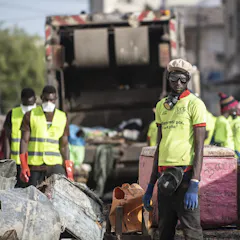
African countries face unique challenges in their efforts to limit the spread of COVID-19, but lessons learned in other regions where the coronavirus has already peaked may be helpful.

Attempting to defeat these folk theories with science achieved little; the myth busters of the AIDS epidemic were talking past those they were trying to convince.

When a government’s health messaging during a crisis is inconsistent or unrealistic, it engenders the kind of confusion, misinformation and non-cooperation seen in the US and UK.

If patients received counselling from someone who spoke their language, they would have an opportunity to ask questions about their medical condition and understand it more clearly.

What’s the best way to tackle coronavirus myths and misinformation if they come up in everyday conversation?
Top contributors
-

Research Fellow, Vaccine Uptake Group, Murdoch Children's Research Institute
-
Professor, School of Public Health, University of Sydney
-
Professor of Paediatrics and vaccinologist, Royal Childrens Hospital, University of Melbourne and Murdoch Childrens Research Institute (MCRI); Associate Dean International, University of Melbourne, Murdoch Children's Research Institute
-
Assistant Professor of Cancer Prevention and Control, Health Communication Researcher, West Virginia University
-
Senior Lecturer and Coordinator, Health and Medical Humanities, University of Sydney
-
Scientific Co-Director and Associate Professor, University of Waterloo
-
Research Associate, focus on health rights, laws and policies, Simon Fraser University
-
Research Fellow, University of Sydney School of Public Health, University of Sydney
-
Lecturer, public health and health promotion, Griffith University
-
Associate Professor of Human Rights, University of Winnipeg
-
Director, Institute for Cellular and Molecular Medicine & SAMRC Extramural Unit for Stem Cell Research & Therapy, University of Pretoria
-
Paediatrician, Infectious Diseases Physician and Clinical Microbiologist, The Kids Research Institute Australia, The University of Western Australia
-
Digital Journalism Instructor, Centre for Journalism Experimentation (JEX) Researcher, Concordia University
-
Professor, Department of Medicine, University of Toronto
-
SHARP Professor, Vitalities Lab, Centre for Social Research in Health and Social Policy Centre, and the ARC Centre of Excellence for Automated Decision-Making and Society, UNSW