

The current outbreak in Senegal is one of many that happen in cycles across Africa in the past 50 years.
Articles on Health challenges
Displaying all articles

The death of six children from a pesticide galvanised the South African government to declare a national disaster.

Holding two public officials responsible for the Life Esidimeni tragedy is a legal milestone. It also highlights the consequences of putting costs over care.

A higher consumption of sugar leads to worse health outcomes, so we need to be mindful of the added sugar we eat.
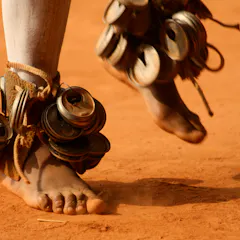
Same-sex relationships in Zulu culture are perceived as taboo and unAfrican. Some men who have sex with men avoid seeking care at health clinics.
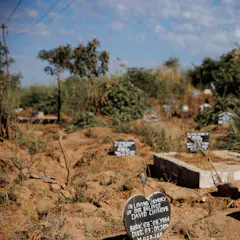
The world’s stockpile of cholera vaccines has run dry, bad news for cholera-ravaged southern Africa. Why is this and what is being done to address vaccine shortages in Africa?
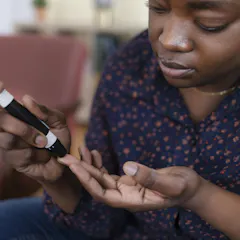
Healthcare workers in South Africa aren’t always well equipped to treat diabetes. This has devastating consequences for patients.
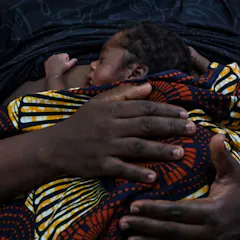
Preterm babies born after 28 weeks can often survive with relatively simple medical care. Here is how.
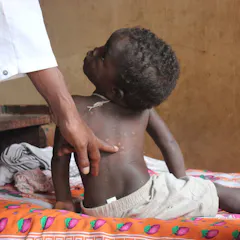
Neglected tropical diseases are often associated with social exclusion as well as physical suffering. One billion people around the world suffer from these diseases.
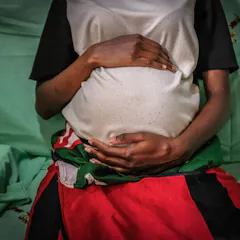
Adolescent girls are more at risk during childbirth. Stigma and abuse by healthcare workers makes them less likely to seek medical care, putting their lives further in danger.

Heat, floods and droughts create conditions for pathogens and their vectors.
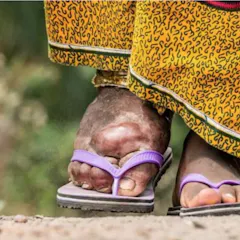
In rural Ghana, only 18% of patients believe elephantiasis is a disease. Some others think it is caused by curses or even rain. Only by understanding local beliefs can it be treated effectively.
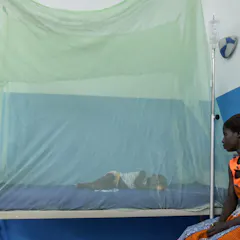
The past two years have seen groundbreaking advances in the fight against malaria with the development of two vaccines. But demand far exceeds supply, so rollouts need to be carefully managed.

Africa bears the heaviest burden of antimicrobial resistance, a phenomenon fuelled largely by poverty, But there are encouraging signs that the continent is taking action to fight it.

Countries that have adopted clear food labels have seen the health benefits. Researchers explain how a new system to alert South African consumers to unhealthy choices was developed.
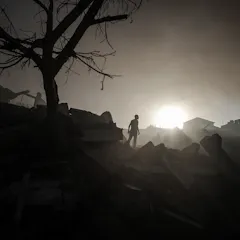
Children have constant access to media coverage of armed conflicts, terrorist attacks, mass shootings and other brutal acts. This makes it tough for them to develop a sense of hope for the future.
Top contributors
-

Scientific Co-Director and Associate Professor, University of Waterloo
-
Associate Professor of Human Rights, University of Winnipeg
-
Senior Lecturer in Immunology of Infectious Diseases, Kwame Nkrumah University of Science and Technology (KNUST)
-
Research Associate, focus on health rights, laws and policies, Simon Fraser University
-
Assistant Professor, Department of Nursing Foundations, MacEwan University
-
Professor of Dermatology, University of Lome
-
Lecturer in Department of Human Nutrition and Dietetic, University of Limpopo
-
Head Scientific Research Support, Stellenbosch University
-
Director of the Centre for Epidemic Response and Innovation (CERI) at Stellenbosch University and the KwaZulu-Natal Research Innovation and Sequencing Plaform (KRISP)., Stellenbosch University
-
Head: Division of Medical Virology, Stellenbosch University
-
Professor of Parasitology and Epidemiology, Federal University of Agriculture, Abeokuta
-
Professor of Obstetrics at King’s College London and chair of the FIGO Preterm Birth Committee (2012-23)., King's College London
-
Research Scientist, African Population and Health Research Center
-
Clinical Research Fellow, King's College London
-
Extraordinary Senior Lecture in the Department of Global Health, Stellenbosch University