
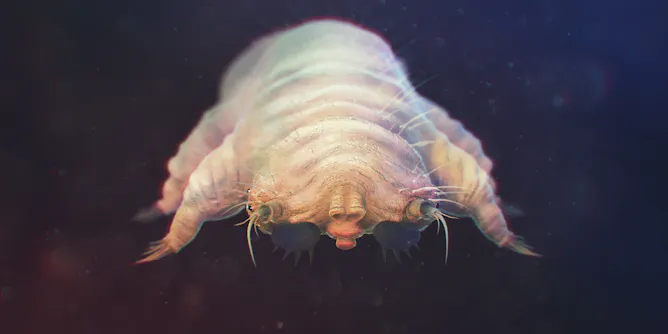
Microscopic mites are part of human biology. Some live harmlessly in our pores but others can trigger allergies, inflammation or infection.
Articles on Head lice
Displaying all articles

School’s back and that means head lice will once again plague households with primary school-aged children. Here’s what you can to do to bust those nits.

Head lice are hard to get rid of and seem to come back again and again. Here’s what works.
Investigations have led to the withdrawal of a study backing ivermectin to treat COVID-19. But that’s not the last time we’ll hear about this controversial drug.
The head lice drug ivermectin is being touted as a coronavirus killer. But studies suggest it would need to be taken in mega-doses far higher than those currently used, with unknown side-effects.
The head lice drug Ivermectin has stopped SARS-CoV-2, the virus that causes COVID-19, from replicating in lab tests. But we don’t know if it will work as a treatment for people with coronavirus.
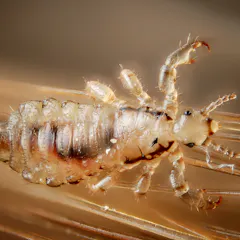
We like to think that all creatures play a role in the local ecosystem. We’re especially interested in insects that provide a benefit for people too. But that’s not always how it is.

Here are some tips to beat the bite of these bloodsuckers for as long as possible.
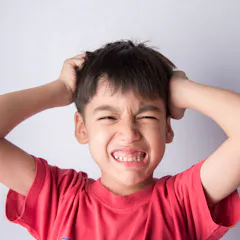
A huge rise in head lice and nits is expected in schools due to the NHS scrapping treatment.
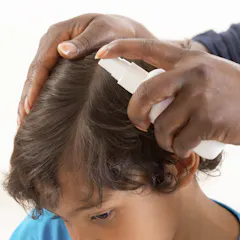
An association isn’t the same as causation – and as far as associations go, the one in this study was pretty weak.
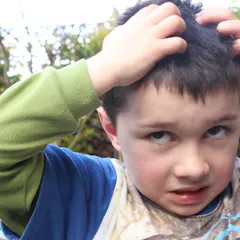
New research confirms what many parents already know: head lice are getting harder to kill. How else can we control these itchy pests plaguing our playgrounds?
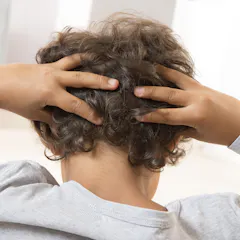
We humans think we sit on top of the food chain, but the pediculosis capitis mite – the head louse – sits above us, on the top of our heads.
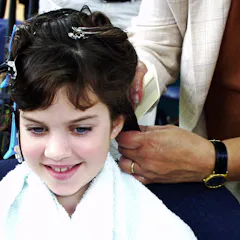
Across the country, tiny blood-sucking parasites are settling in for the new school year. Head lice infestation, officially known as pediculosis, is common in primary school-aged children. But don’t worry…
Top contributors
-

Clinical Associate Professor, School of Medical Science & Sydney Infectious Diseases Institute; Principal Hospital Scientist, University of Sydney
-
Head of School and Dean of Pharmacy, University of Sydney
-
Associate Professor in Invertebrate Biology, University of Reading
-
Senior Lecturer in Pharmacology, Adelaide University
-
Commissioning Editor, Health + Medicine and Host of Strange Health podcast, The Conversation
-
Senior Lecturer, School of Psychology and Neuroscience, University of Bristol
-
Professor of Dermatology, The University of Melbourne
-
Honorary Professorial Fellow, School of Chemistry, The University of Melbourne