
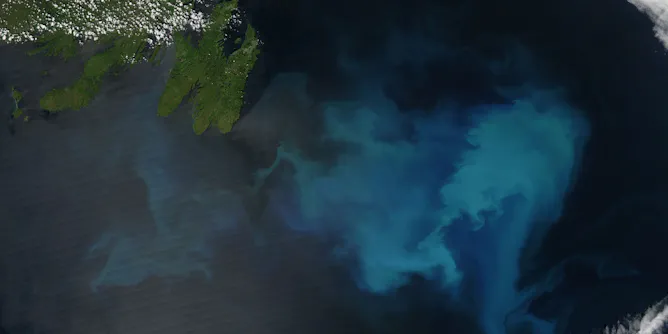
Recent research sheds light on the ocean’s annual ‘biological clock’ and highlights the key dynamics that make it susceptible to climate change.
Articles on Global warming
Displaying 281 - 300 of 1163 articles

The temptation to justify critical minerals mining at all costs is a dangerous fallacy. The social and environmental impacts of poorly mined critical minerals are dire.
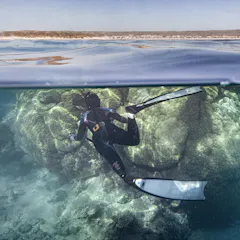
The best strategy to protecting Earth’s coral reefs is to dramatically cut greenhouse gas emissions. But in the meantime, we must urgently make corals more resilient.
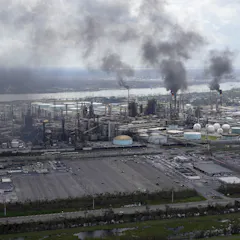
Human societies produce huge amounts of excess heat. Turning it into electricity could play a key role in achieving a net-zero society.

Global warming is melting away an iconic cornerstone of Canadian culture — outdoor skating.

Large parts of Appalachia’s forests, once owned by coal companies, now make money for investors by storing carbon. But the results bring few jobs or sizable investments for residents.
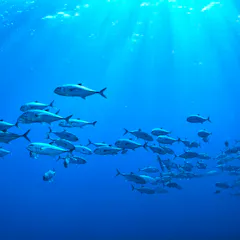
Recent research shows how reducing overfishing is both an ecological imperative and a critical means to addressing climate change.

In the worst-case scenario currently being mapped, Earth’s temperature could increase by 4.3°C before 2100. Southern African rhinos will have no possibility of surviving this unless parks act now.
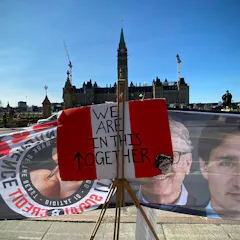
Canada’s cities must be planned around resident
health and well-being, our research reveals the key barriers to developing truly healthy cities.
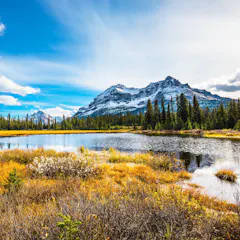
Integrating local and Indigenous knowledge into conservation can help to support diverse diets without compromising biodiversity goals.
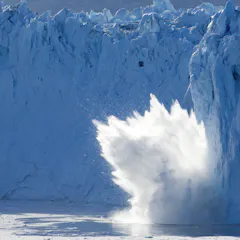
Scientists now have a better understanding of the risks ahead and a new early warning signal to watch for.

Environmental policymakers and scholars must listen to sub-Saharan Africans’ voices and recognize the importance of population for achieving sustainable development goals.
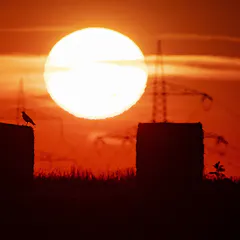
Keeping the average global temperature rise below 1.5°C since pre-industrial times is a goal of the 2015 Paris climate deal. New research suggests that opportunity has passed.

We don’t yet fully understand what global climate tipping points mean for Australia. But we know enough to conclude the impacts of passing one or more tipping points must now be considered.

Climate and environmental insecurity is set to grow in severity as the world warms. The upcoming launch of a new NATO climate change and security centre in Montréal aims to address these concerns.
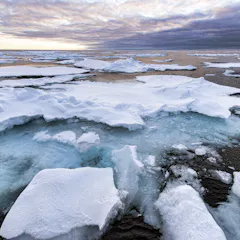
Norway has become the first nation on earth to allow deep-sea mineral exploration. But opening this industry could put Norway in murky legal waters.

Alberta’s experiment with voluntary ‘switching off’ was a success both in terms of saving electricity and in showcasing the power of proactive informed action to address the climate crisis.
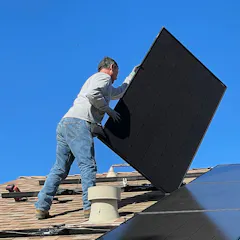
Australians want government to act on climate change, but not necessarily now, or in their neighbourhood. How can governments resolve this dilemma?
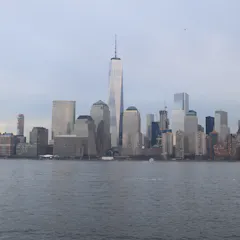
Land subsidence is a factor as preparations are made for rising sea levels and strengthening storms. Human infrastructure, including buildings and groundwater extraction, increases vulnerabilities.
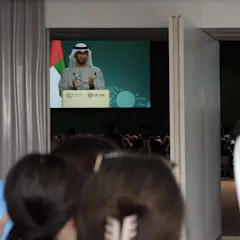
Beyond the international negotiations, COP serves as a critical venue for global civil societies to exchange knowledge, organize and build a better world.
Top contributors
-

ARC Future Fellow and Associate Professor in Climate Science, ARC Centre of Excellence for 21st Century Weather, The University of Melbourne
-
Research Associate, Institute for Climate Risk and Response, UNSW
-
Distinguished Scholar, National Center for Atmospheric Research; Affiliate Faculty, University of Auckland, Waipapa Taumata Rau
-
Chief Research Scientist, CSIRO Environment; Executive Director, Global Carbon Project, CSIRO
-
Chief Scientist, Australian Antarctic Division and Professor of Climate Science, Australian National University
-
Professor and Climate Scientist, Department of Geography, Planning and Environment, Concordia University
-
Deputy Director, Engagement and Impact, The ARC Centre of Excellence for the Weather of the 21st Century, Australian National University
-
Adjunct professor, UNSW
-
Professor of Climate Science, University of Reading
-
Professor Emeritus of Climate and Space Sciences and Engineering, University of Michigan
-
A/Prof., School of Earth Sciences, The University of Melbourne
-
Professor of Physical Climate Change; Director of the Priestley Centre for Climate Futures, University of Leeds
-
Adjunct Professor of Energy, Murdoch University
-
Director of the ARC Centre of Excellence for Our Future Oceans and Scientia Professor in Oceanography, UNSW
-
Climate Projections Scientist, CSIRO